
Adelaide Botanic Garden
A 51-hectare public garden in central Adelaide, open since 1857
Adelaide Botanic Garden is a large public garden in the heart of Adelaide, South Australia. It features historic glasshouses, a museum, wetlands, and themed plant collections, welcoming visitors since 1857.
- Opened to the public in 1857
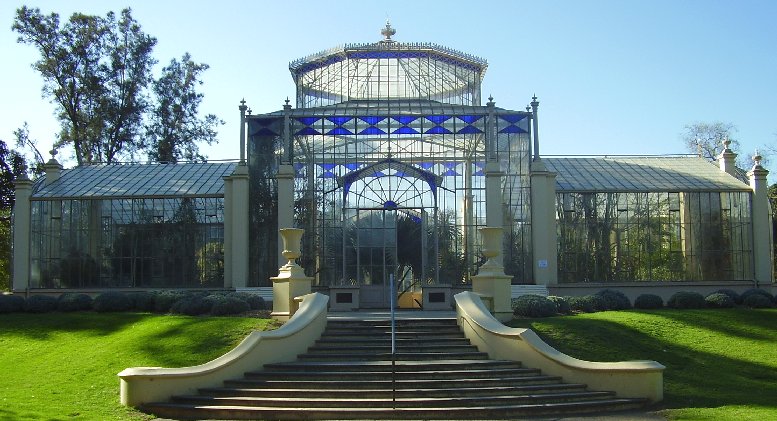
- Home to the Victorian-era Palm House glasshouse
- Features the Museum of Economic Botany with historic displays
- Hosts the National Rose Trial Garden for testing new roses
- Includes wetlands supporting native plants and wildlife
What is Adelaide Botanic Garden?
Adelaide Botanic Garden covers 51 hectares at the edge of Adelaide’s city centre. Visitors find a mix of open lawns, themed gardens, lakes, and walking paths. The site includes striking heritage buildings such as the Palm House, a Victorian glasshouse, and the Museum of Economic Botany. There are also modern features like the Bicentennial Conservatory and a large rose trial garden. Wetlands with boardwalks and aquatic plants add to the variety, and the grounds are home to collections of both native and international plants.
The history of Adelaide Botanic Garden
The idea for a botanical garden in Adelaide dates back to the city’s earliest plans in the 1830s. After several failed attempts at other sites, the current location was chosen in 1854, with George William Francis appointed to oversee its creation. The garden opened to the public in 1857. The land was significant to the Kaurna people and had been used for grazing before the garden was established. Over time, the garden expanded to include historic buildings, scientific collections, and new features reflecting changing horticultural interests.
What there is to see
The garden is laid out with a blend of formal and informal design, inspired by English parks. It includes glasshouses for tropical and arid plants, themed beds for roses and other flowers, and a wetland system that supports both plant life and local wildlife. The rose trial garden tests new varieties for Australian conditions. The grounds are maintained year-round, with plantings and displays changing through the seasons.



When to go
Open to the public all year, the garden is a place for recreation, education, and research. Visitors can explore plant collections, attend exhibitions in the Museum of Economic Botany, and walk through the Palm House or Bicentennial Conservatory. The wetlands area demonstrates water management and native plantings. The garden also hosts special events and supports scientific study.
Parts and collections
Within the garden, there are several distinct areas. The Palm House holds plants from Madagascar’s arid regions. The Bicentennial Conservatory was built for tropical rainforest species. The National Rose Trial Garden features many types of roses, grouped and tested for performance. The Museum of Economic Botany displays a wide range of useful plants and historical botanical models.
Why Adelaide Botanic Garden matters
Adelaide Botanic Garden is a heritage-listed site, valued for its historic buildings and long-standing role in education and science. The Museum of Economic Botany is notable for its preserved interior and original displays. The garden is part of a network of public gardens and research centres in South Australia, and it remains a popular destination for locals and visitors interested in plants, history, and landscape design.
Questions people ask about Adelaide Botanic Garden
Where is Adelaide Botanic Garden located?
It is in the north-east corner of Adelaide’s city centre, South Australia, within the Adelaide Park Lands.
When was the garden established?
Work began in 1855, and the garden officially opened to the public on 4 October 1857.
What can visitors see at the garden?
Visitors can explore themed plant collections, historic glasshouses, a rose trial garden, wetlands, and the Museum of Economic Botany.
What is special about the Palm House?
The Palm House is a Victorian glasshouse from 1877, designed in Germany and now housing plants from Madagascar’s arid regions.
Is the garden open all year?
Yes, the Adelaide Botanic Garden is open year-round, with changing displays and events throughout the seasons.
Good reading and sources
- Adelaide Botanic Garden on WikipediaEncyclopedia
- More photos on Wikimedia CommonsPhotos
- Wikidata recordOpen data
The facts on this page come from the Wikipedia article "Adelaide Botanic Garden", written by its contributors and used under the CC BY-SA 4.0 licence, and from its Wikidata record (CC0). Phool rewrote the text in its own words, with AI assistance, and compares every page with the article to make sure no passage is copied. It may be reused under the same CC BY-SA 4.0 licence with a link back.
It may contain mistakes. Opening times, prices and bloom dates change: check with the place before you travel. If something is wrong, tell us. Last refreshed 2026-10-03.
More of the same kind
 Place
Tropical Botanical Garden and Research Institute
A major botanical garden and research centre in Thiruvananthapuram, Kerala
Thiruvananthapuram, 🇮🇳 India · Botanical garden
Place
Tropical Botanical Garden and Research Institute
A major botanical garden and research centre in Thiruvananthapuram, Kerala
Thiruvananthapuram, 🇮🇳 India · Botanical garden
 Place
Baldha Gardenবলধা গার্ডেন
A historic botanical garden in Old Dhaka with hundreds of plant species
Dhaka, 🇧🇩 Bangladesh · Botanical garden
Place
Baldha Gardenবলধা গার্ডেন
A historic botanical garden in Old Dhaka with hundreds of plant species
Dhaka, 🇧🇩 Bangladesh · Botanical garden
 Place
Hakone Botanical Garden of Wetlands箱根湿生花園
A garden of wetland and alpine plants in Hakone, Japan
Hakone, 🇯🇵 Japan · Botanical garden
Place
Hakone Botanical Garden of Wetlands箱根湿生花園
A garden of wetland and alpine plants in Hakone, Japan
Hakone, 🇯🇵 Japan · Botanical garden
 Place
Sim's Park, Coonoor
A century-old botanical garden in the Nilgiri hills of Tamil Nadu
Coonoor, 🇮🇳 India · Botanical garden, May
Place
Sim's Park, Coonoor
A century-old botanical garden in the Nilgiri hills of Tamil Nadu
Coonoor, 🇮🇳 India · Botanical garden, May
More from Australia
All the flowers of Australia Place
Australian National Botanic Gardens
Australia’s largest living collection of native plants in Canberra
Canberra, 🇦🇺 Australia · Botanical garden
Place
Australian National Botanic Gardens
Australia’s largest living collection of native plants in Canberra
Canberra, 🇦🇺 Australia · Botanical garden
 Place
Brisbane Botanic Gardens, Mount Coot-tha
A 52-hectare botanic garden at the base of Brisbane’s highest hill
Brisbane, 🇦🇺 Australia · Botanical garden
Place
Brisbane Botanic Gardens, Mount Coot-tha
A 52-hectare botanic garden at the base of Brisbane’s highest hill
Brisbane, 🇦🇺 Australia · Botanical garden
 Place
Royal Botanic Gardens Victoria
Two landmark gardens in Melbourne and Cranbourne for plant collections and Australian flora
Cranbourne, 🇦🇺 Australia · Botanical garden
Place
Royal Botanic Gardens Victoria
Two landmark gardens in Melbourne and Cranbourne for plant collections and Australian flora
Cranbourne, 🇦🇺 Australia · Botanical garden
 Place
Dandenong Ranges Botanic Garden
A cool-climate garden in the hills near Melbourne, famous for rhododendrons and cherry blossom
Olinda, 🇦🇺 Australia · Botanical garden, Sep to Oct
Place
Dandenong Ranges Botanic Garden
A cool-climate garden in the hills near Melbourne, famous for rhododendrons and cherry blossom
Olinda, 🇦🇺 Australia · Botanical garden, Sep to Oct