Birmingham Botanical Gardens
A 15-acre Victorian botanical garden with historic glasshouses in Birmingham, England
Birmingham Botanical Gardens is a 15-acre public garden in Edgbaston, Birmingham, England, established in 1832. It features four themed glasshouses, landscaped lawns, period gardens, and over 7,000 plant species from around the world, open daily for visitors.
- Home to over 7,000 plant species from around the world
- Features four themed glasshouses: tropical, subtropical, Mediterranean, and arid
- Holds the British National Bonsai Collection, including a 250-year-old tree
- Grade II* listed historic park with Victorian layout and features
- Hosts year-round events, educational visits, and community activities
What is Birmingham Botanical Gardens?
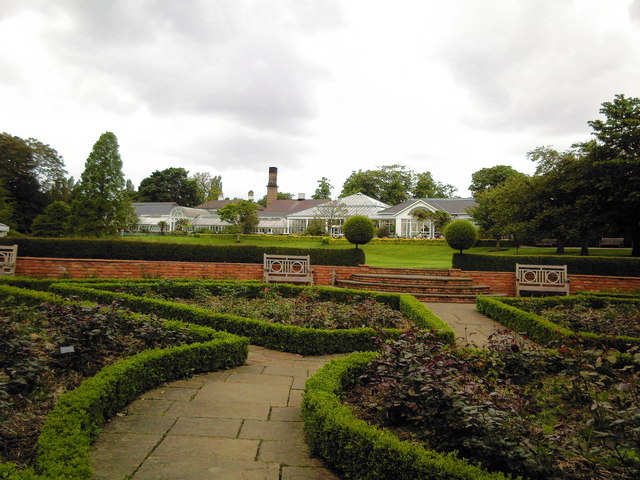
Birmingham Botanical Gardens covers 15 acres and is laid out in the style of a Victorian public park. Visitors find four large glasshouses, each with a different climate: tropical, subtropical, Mediterranean, and arid. There are landscaped lawns, a sunken rose garden, period gardens (Roman, Medieval, Tudor), a rock garden, and woodland glades. The gardens display over 7,000 plant species, including rare trees, a national bonsai collection, and seasonal flower beds. Facilities include a gift shop, tea room, playgrounds, and event spaces.
The history of Birmingham Botanical Gardens
The gardens were established in 1832 after a group of local men formed the Birmingham Botanical and Horticultural Society in 1829. Designed by John Claudius Loudon, a noted landscape gardener, the site was intended as both a scientific and ornamental garden. The gardens have kept much of their original layout, with later additions including glasshouses and period features. Over the years, the gardens have hosted plant exhibitions and played a key role in spreading horticultural knowledge in Birmingham.
What there is to see
The gardens are divided into themed areas, each with its own character. The four main glasshouses house tropical crops, orchids, citrus trees, cacti, and more. Outside, lawns, borders, and woodland paths showcase seasonal and permanent plantings. The gardens also include a bonsai collection, rock gardens, and historic structures like the bandstand and gazebo. Visitors can explore at their own pace or join guided tours.


When to go
Open daily with paid admission, the gardens welcome visitors year-round. They host events such as garden tours, family activities, music, and theatre. The site is used for educational visits by schools and groups, with a dedicated study centre. Facilities support weddings, meetings, and community events. The gardens have also been a place for plant exhibitions and, until recently, housed a collection of exotic birds.
Parts and collections
The gardens feature a wide range of plant collections, including the British National Bonsai Collection with specimens like a 250-year-old Chinese juniper. The four glasshouses each focus on different climates and plant types. Period gardens recreate Roman, Medieval, and Tudor styles. Notable trees include Himalayan cedars grown from 19th-century seed, and a unique fern hybrid created at the gardens.
Why Birmingham Botanical Gardens matters
Birmingham Botanical Gardens is Grade II* listed for its historic importance and has influenced garden design in the region. It has been supported by notable figures and benefactors, and commemorates past curators and plant collectors. The gardens are a local landmark, valued for education, recreation, and heritage. Ongoing restoration projects aim to preserve its historic glasshouses and plant collections for future generations.
Questions people ask about Birmingham Botanical Gardens
Where is Birmingham Botanical Gardens located?
The gardens are in Edgbaston, about 1.5 miles southwest of Birmingham city centre, England.
What can visitors see at the gardens?
Visitors can explore four glasshouses with different climates, landscaped lawns, a rose garden, period gardens, a bonsai collection, and over 7,000 plant species.
When was the garden established?
Birmingham Botanical Gardens was established in 1832 and has kept much of its original Victorian layout.
Are there special collections or rare plants?
Yes, the gardens house the British National Bonsai Collection, rare Himalayan cedars, and a unique fern hybrid not found elsewhere.
What events or activities are held at the gardens?
The gardens offer year-round events such as tours, family activities, music, theatre, and educational sessions for schools and groups.
Good reading and sources
- Birmingham Botanical Gardens, England on WikipediaEncyclopedia
- More photos on Wikimedia CommonsPhotos
- Wikidata recordOpen data
The facts on this page come from the Wikipedia article "Birmingham Botanical Gardens, England", written by its contributors and used under the CC BY-SA 4.0 licence, and from its Wikidata record (CC0). Phool rewrote the text in its own words, with AI assistance, and compares every page with the article to make sure no passage is copied. It may be reused under the same CC BY-SA 4.0 licence with a link back.
It may contain mistakes. Opening times, prices and bloom dates change: check with the place before you travel. If something is wrong, tell us. Last refreshed 2026-10-03.
More of the same kind
 Place
Tropical Botanical Garden and Research Institute
A major botanical garden and research centre in Thiruvananthapuram, Kerala
Thiruvananthapuram, 🇮🇳 India · Botanical garden
Place
Tropical Botanical Garden and Research Institute
A major botanical garden and research centre in Thiruvananthapuram, Kerala
Thiruvananthapuram, 🇮🇳 India · Botanical garden
 Place
Baldha Gardenবলধা গার্ডেন
A historic botanical garden in Old Dhaka with hundreds of plant species
Dhaka, 🇧🇩 Bangladesh · Botanical garden
Place
Baldha Gardenবলধা গার্ডেন
A historic botanical garden in Old Dhaka with hundreds of plant species
Dhaka, 🇧🇩 Bangladesh · Botanical garden
 Place
Hakone Botanical Garden of Wetlands箱根湿生花園
A garden of wetland and alpine plants in Hakone, Japan
Hakone, 🇯🇵 Japan · Botanical garden
Place
Hakone Botanical Garden of Wetlands箱根湿生花園
A garden of wetland and alpine plants in Hakone, Japan
Hakone, 🇯🇵 Japan · Botanical garden
 Place
Sim's Park, Coonoor
A century-old botanical garden in the Nilgiri hills of Tamil Nadu
Coonoor, 🇮🇳 India · Botanical garden, May
Place
Sim's Park, Coonoor
A century-old botanical garden in the Nilgiri hills of Tamil Nadu
Coonoor, 🇮🇳 India · Botanical garden, May
More from the United Kingdom
All the flowers of the United Kingdom Place
Castle Howard
A grand English country house with historic gardens near York
Henderskelfe, 🇬🇧 United Kingdom · Flower garden
Place
Castle Howard
A grand English country house with historic gardens near York
Henderskelfe, 🇬🇧 United Kingdom · Flower garden
 Place
Royal Botanic Gardens, Kew
London’s world-renowned botanical gardens and plant science centre
Kew, 🇬🇧 United Kingdom · Botanical garden
Place
Royal Botanic Gardens, Kew
London’s world-renowned botanical gardens and plant science centre
Kew, 🇬🇧 United Kingdom · Botanical garden
 Place
RHS Garden Wisley
A major English garden with glasshouses, borders and plant trials in Surrey
Wisley, 🇬🇧 United Kingdom · Botanical garden
Place
RHS Garden Wisley
A major English garden with glasshouses, borders and plant trials in Surrey
Wisley, 🇬🇧 United Kingdom · Botanical garden
 Place
RHS Garden Hyde Hall
A 360-acre public display garden in Essex run by the Royal Horticultural Society
Chelmsford, 🇬🇧 United Kingdom · Botanical garden
Place
RHS Garden Hyde Hall
A 360-acre public display garden in Essex run by the Royal Horticultural Society
Chelmsford, 🇬🇧 United Kingdom · Botanical garden