
Cambridge University Botanic Garden
A 16-hectare botanic garden for research, teaching and public enjoyment in Cambridge
Cambridge University Botanic Garden is a 16-hectare botanical garden in Cambridge, England, run by the University of Cambridge. It holds over 8,000 plant species from around the world for research, teaching, and public enjoyment, and is open all year. The garden was founded in 1831 and opened to the public in 1846.
- Home to over 8,000 plant species from around the world
- Covers 16 hectares in central Cambridge
- Founded in 1831 and opened to the public in 1846
- Site of the UK's second-highest recorded temperature in 2019
- Includes the Sainsbury Laboratory and university herbarium
What is Cambridge University Botanic Garden?
The Cambridge University Botanic Garden covers 16 hectares of mostly level ground in Cambridge. It features a diverse collection of over 8,000 plant species from across the globe, arranged for both scientific study and visual enjoyment. Visitors find themed plantings, rare trees, glasshouses, a lake with a mound, a rock garden, and lawns. The garden also houses research facilities and the Sainsbury Laboratory. It is open to the public all year.
The history of Cambridge University Botanic Garden
The first botanic garden in Cambridge was established in the 1760s as the Walkerian Garden, inspired by the Chelsea Physic Garden and focused on medicinal plants. The current garden was founded in 1831 by Professor John Stevens Henslow, who saw the need for a larger site. The new garden was laid out on 40 acres south of the town, with the first tree planted in 1846. Over time, it developed features like a lake, rock garden, and glasshouses, and became a centre for botanical teaching and research.
What there is to see
The garden is organised into areas for teaching, research, and public display. Plants are grouped by botanical relationships and geographic origin. There are glasshouses for tropical and temperate species, a rock garden, lawns, and a lake. Cory Lodge, built in the 1920s, stands within the grounds. The Sainsbury Laboratory and the university herbarium are also on site. The garden is maintained by a team of horticulturists and researchers.


When to go
The garden is open to visitors all year and is used for university teaching, plant research, and public enjoyment. It hosts a wide range of plant species for study and display. The garden has played a role in important botanical research, including plant genetics and physiology. It also serves as a green space for the Cambridge community and visitors.
Parts and collections
Within the garden, there are collections of rare trees, themed plantings, and historic specimens such as the Catalpa speciosa and an espaliered Ginkgo biloba. The garden previously housed a Flower of Kent apple tree grown from a cutting of the tree associated with Isaac Newton. The plantings and features have evolved over time, reflecting advances in botanical science and horticulture.
Why Cambridge University Botanic Garden matters
The garden is closely linked to the University of Cambridge and has been central to botanical teaching and research since the 19th century. It has hosted pioneering work in plant genetics and physiology. The garden is also known for recording the UK's second-highest temperature in 2019. It is valued by gardening enthusiasts and the local community.
Questions people ask about Cambridge University Botanic Garden
Where is the Cambridge University Botanic Garden located?
The garden is in Cambridge, England, between Trumpington Road, Bateman Street, and Hills Road. It is part of the University of Cambridge and easily accessible from the city centre.
What can visitors see at the garden?
Visitors can explore themed plantings, rare trees, glasshouses with global species, a lake, rock garden, lawns, and research facilities. The garden displays over 8,000 plant species from different parts of the world.
When was the garden founded?
The current Cambridge University Botanic Garden was established in 1831 by Professor John Stevens Henslow. It opened to the public in 1846.
What is the garden used for?
The garden supports university teaching and botanical research, and is open to the public for enjoyment. It has been a site for important studies in plant genetics, physiology, and systematics.
Has the garden set any weather records?
Yes, on 25 July 2019, the garden recorded a temperature of 38.7°C, which was the UK's highest at the time. It later reached 39.9°C in 2022, breaking its own record.
Good reading and sources
- Official websiteOfficial site
- Cambridge University Botanic Garden's 'Newton's apple tree' falls in stormBBC, Article
- Cambridge University Botanic Garden on WikipediaEncyclopedia
- More photos on Wikimedia CommonsPhotos
- Wikidata recordOpen data
The facts on this page come from the Wikipedia article "Cambridge University Botanic Garden", written by its contributors and used under the CC BY-SA 4.0 licence, and from its Wikidata record (CC0). Phool rewrote the text in its own words, with AI assistance, and compares every page with the article to make sure no passage is copied. It may be reused under the same CC BY-SA 4.0 licence with a link back.
It may contain mistakes. Opening times, prices and bloom dates change: check with the place before you travel. If something is wrong, tell us. Last refreshed 2026-10-03.
More of the same kind
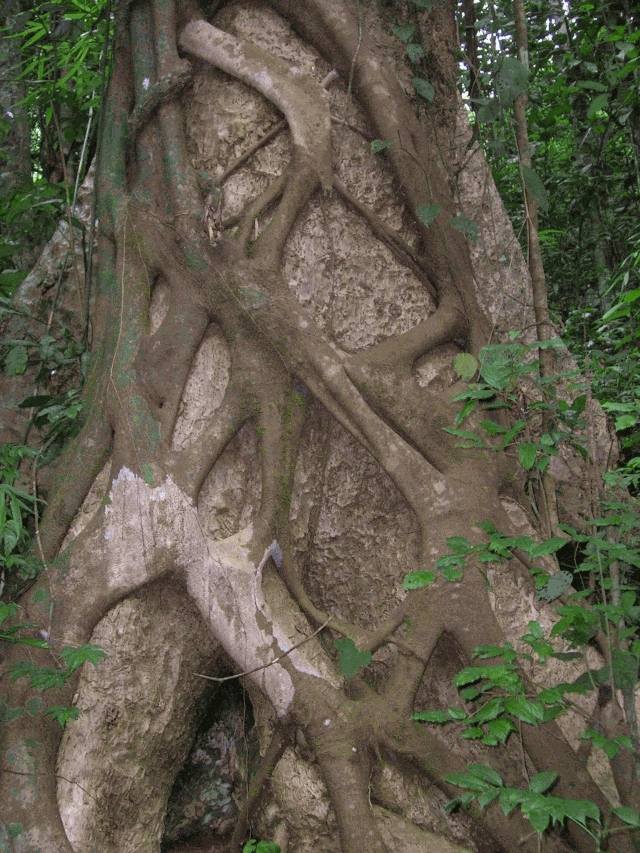 Place
Tropical Botanical Garden and Research Institute
A major botanical garden and research centre in Thiruvananthapuram, Kerala
Thiruvananthapuram, 🇮🇳 India · Botanical garden
Place
Tropical Botanical Garden and Research Institute
A major botanical garden and research centre in Thiruvananthapuram, Kerala
Thiruvananthapuram, 🇮🇳 India · Botanical garden
 Place
Baldha Gardenবলধা গার্ডেন
A historic botanical garden in Old Dhaka with hundreds of plant species
Dhaka, 🇧🇩 Bangladesh · Botanical garden
Place
Baldha Gardenবলধা গার্ডেন
A historic botanical garden in Old Dhaka with hundreds of plant species
Dhaka, 🇧🇩 Bangladesh · Botanical garden
 Place
Hakone Botanical Garden of Wetlands箱根湿生花園
A garden of wetland and alpine plants in Hakone, Japan
Hakone, 🇯🇵 Japan · Botanical garden
Place
Hakone Botanical Garden of Wetlands箱根湿生花園
A garden of wetland and alpine plants in Hakone, Japan
Hakone, 🇯🇵 Japan · Botanical garden
 Place
Sim's Park, Coonoor
A century-old botanical garden in the Nilgiri hills of Tamil Nadu
Coonoor, 🇮🇳 India · Botanical garden, May
Place
Sim's Park, Coonoor
A century-old botanical garden in the Nilgiri hills of Tamil Nadu
Coonoor, 🇮🇳 India · Botanical garden, May
More from the United Kingdom
All the flowers of the United Kingdom Place
RHS Garden Rosemoor
A public display garden in north Devon with woodland, roses and themed plantings
Great Torrington, 🇬🇧 United Kingdom · Flower garden
Place
RHS Garden Rosemoor
A public display garden in north Devon with woodland, roses and themed plantings
Great Torrington, 🇬🇧 United Kingdom · Flower garden
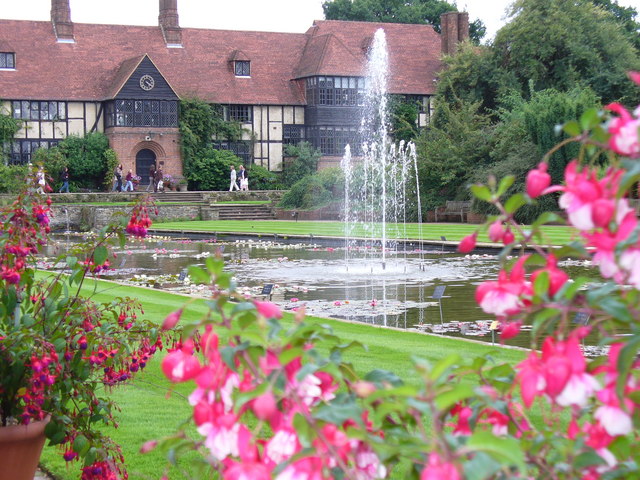 Place
RHS Garden Wisley
A major English garden with glasshouses, borders and plant trials in Surrey
Wisley, 🇬🇧 United Kingdom · Botanical garden
Place
RHS Garden Wisley
A major English garden with glasshouses, borders and plant trials in Surrey
Wisley, 🇬🇧 United Kingdom · Botanical garden
 Place
Royal Botanic Gardens, Kew
London’s world-renowned botanical gardens and plant science centre
Kew, 🇬🇧 United Kingdom · Botanical garden
Place
Royal Botanic Gardens, Kew
London’s world-renowned botanical gardens and plant science centre
Kew, 🇬🇧 United Kingdom · Botanical garden
 Place
TrebahLowarth Treverybow
A 26-acre sub-tropical garden above the Helford River in Cornwall
Mawnan, 🇬🇧 United Kingdom · Botanical garden
Place
TrebahLowarth Treverybow
A 26-acre sub-tropical garden above the Helford River in Cornwall
Mawnan, 🇬🇧 United Kingdom · Botanical garden