
Dawyck Botanic Garden
A 25-hectare botanic garden in the Upper Tweed Valley, Scotland
Dawyck Botanic Garden is a 25-hectare garden and arboretum near Stobo, in southern Scotland. It is known for its collection of trees, including several notable heritage specimens, and is managed as part of the Royal Botanic Garden Edinburgh. Visitors come for its scenic valley setting and historic plantings.
- Home to three Heritage Trees of Scotland
- Covers 25 hectares in the Upper Tweed Valley
- Open to visitors from February to November
- Managed by the Royal Botanic Garden Edinburgh
- Features a modern visitor centre
What is Dawyck Botanic Garden?
Dawyck Botanic Garden covers 25 hectares and features both formal gardens and wooded areas. The garden is home to a wide range of trees and shrubs, including three trees recognized as Heritage Trees of Scotland: a tall silver fir, a large larch, and a beech with unusual upright branches. Visitors will also find a stream, varied plant collections, and a visitor centre.
The history of Dawyck Botanic Garden
The site has a long history, with its name recorded in different forms as early as 1200. The Veitch family began planting the grounds in the 1600s, and the Naesmiths continued from 1691, supporting plant collecting expeditions. The Balfour family took over in 1897, and in 1978 they transferred the garden to the Royal Botanic Garden Edinburgh, though Dawyck House and its chapel remain private.
What there is to see
The garden is open to visitors from February through November. It is managed as a regional garden by the Royal Botanic Garden Edinburgh. Paths lead through collections of trees, heritage specimens, and landscaped areas. The Dawyck Gateway Visitor Centre provides information and services for guests.


When to go
Dawyck Botanic Garden is a destination for those interested in trees, botany, and landscape design. It is open most of the year, attracting visitors who come to see its historic trees, seasonal changes, and scenic views. The garden is also recognized for its architectural visitor centre.
Parts and collections
Among its most notable features are three Heritage Trees: the Dawyck Silver Fir, which stands 35 meters tall; the Dawyck Larch, planted in 1725; and the Dawyck Beech, known for its upswept branches and planted in 1860. These trees are significant both for their size and their history.
Why Dawyck Botanic Garden matters
Dawyck Botanic Garden has been recognized in Scotland’s Inventory of Gardens and Designed Landscapes since 1987. It is one of three regional gardens managed by the Royal Botanic Garden Edinburgh. The garden’s visitor centre has received architectural recognition, and the site is valued for its contribution to plant conservation and public education.
Questions people ask about Dawyck Botanic Garden
Where is Dawyck Botanic Garden located?
Dawyck Botanic Garden is near Stobo, about 8 miles southwest of Peebles, in the Scottish Borders of southern Scotland.
What makes Dawyck Botanic Garden special?
The garden is known for its collection of heritage trees, including a silver fir, larch, and beech, and its scenic setting in the Upper Tweed Valley.
When can I visit Dawyck Botanic Garden?
The garden is open to visitors from February through November each year.
Who manages Dawyck Botanic Garden?
It is managed as a regional garden by the Royal Botanic Garden Edinburgh.
What is the history of Dawyck Botanic Garden?
The garden was first planted in the 17th century, passed through several families, and became part of the Royal Botanic Garden Edinburgh in 1978.
Good reading and sources
- Dawyck Botanic Garden on WikipediaEncyclopedia
- More photos on Wikimedia CommonsPhotos
- Wikidata recordOpen data
The facts on this page come from the Wikipedia article "Dawyck Botanic Garden", written by its contributors and used under the CC BY-SA 4.0 licence, and from its Wikidata record (CC0). Phool rewrote the text in its own words, with AI assistance, and compares every page with the article to make sure no passage is copied. It may be reused under the same CC BY-SA 4.0 licence with a link back.
It may contain mistakes. Opening times, prices and bloom dates change: check with the place before you travel. If something is wrong, tell us. Last refreshed 2026-10-03.
More of the same kind
 Place
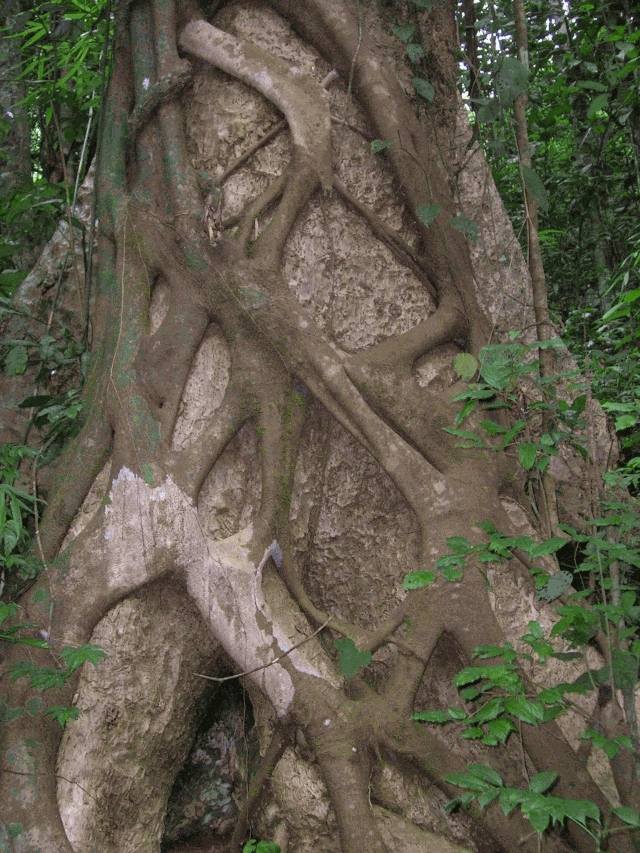
Tropical Botanical Garden and Research Institute
A major botanical garden and research centre in Thiruvananthapuram, Kerala
Thiruvananthapuram, 🇮🇳 India · Botanical garden
Place
Tropical Botanical Garden and Research Institute
A major botanical garden and research centre in Thiruvananthapuram, Kerala
Thiruvananthapuram, 🇮🇳 India · Botanical garden
 Place
Baldha Gardenবলধা গার্ডেন
A historic botanical garden in Old Dhaka with hundreds of plant species
Dhaka, 🇧🇩 Bangladesh · Botanical garden
Place
Baldha Gardenবলধা গার্ডেন
A historic botanical garden in Old Dhaka with hundreds of plant species
Dhaka, 🇧🇩 Bangladesh · Botanical garden
 Place
Hakone Botanical Garden of Wetlands箱根湿生花園
A garden of wetland and alpine plants in Hakone, Japan
Hakone, 🇯🇵 Japan · Botanical garden
Place
Hakone Botanical Garden of Wetlands箱根湿生花園
A garden of wetland and alpine plants in Hakone, Japan
Hakone, 🇯🇵 Japan · Botanical garden
 Place
Sim's Park, Coonoor
A century-old botanical garden in the Nilgiri hills of Tamil Nadu
Coonoor, 🇮🇳 India · Botanical garden, May
Place
Sim's Park, Coonoor
A century-old botanical garden in the Nilgiri hills of Tamil Nadu
Coonoor, 🇮🇳 India · Botanical garden, May
More from the United Kingdom
All the flowers of the United Kingdom Place
Castle Howard
A grand English country house with historic gardens near York
Henderskelfe, 🇬🇧 United Kingdom · Flower garden
Place
Castle Howard
A grand English country house with historic gardens near York
Henderskelfe, 🇬🇧 United Kingdom · Flower garden
 Place
Royal Botanic Gardens, Kew
London’s world-renowned botanical gardens and plant science centre
Kew, 🇬🇧 United Kingdom · Botanical garden
Place
Royal Botanic Gardens, Kew
London’s world-renowned botanical gardens and plant science centre
Kew, 🇬🇧 United Kingdom · Botanical garden
 Place
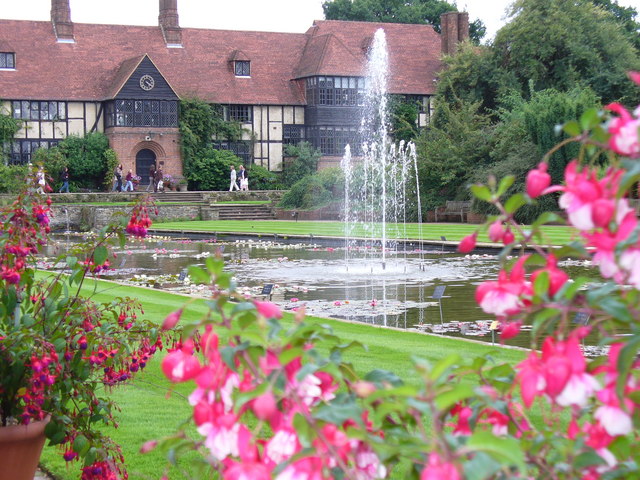
RHS Garden Wisley
A major English garden with glasshouses, borders and plant trials in Surrey
Wisley, 🇬🇧 United Kingdom · Botanical garden
Place
RHS Garden Wisley
A major English garden with glasshouses, borders and plant trials in Surrey
Wisley, 🇬🇧 United Kingdom · Botanical garden
 Place
RHS Garden Hyde Hall
A 360-acre public display garden in Essex run by the Royal Horticultural Society
Chelmsford, 🇬🇧 United Kingdom · Botanical garden
Place
RHS Garden Hyde Hall
A 360-acre public display garden in Essex run by the Royal Horticultural Society
Chelmsford, 🇬🇧 United Kingdom · Botanical garden