
Englischer Garten
A sprawling landscape park in central Munich with meadows, waterways and pavilions
Englischer Garten is an expansive public landscape park in Munich, Germany, established in 1789. Designed in the informal English style, it features open meadows, woodland, winding streams, and landmarks including a classical hilltop temple, a Japanese teahouse, and a Chinese-style wooden pagoda.
- Covers 3.7 square kilometres in the centre of Munich, making it one of the world's largest urban parks.
- Began in 1789 as a military garden before opening to Munich citizens as a public landscape park in 1792.
- Features a 25-metre wooden Chinese pagoda modelled after the Great Pagoda at Kew Gardens.
- Home to an island Japanese teahouse presented by Kyoto's Urasenke tea school in 1972.
- Contains an artificial stream with a standing wave where skilled surfers ride the current.
What is Englischer Garten?
The Englischer Garten is an extensive city park in central Munich, Bavaria. Covering 3.7 square kilometres, it ranks among the largest urban green spaces on earth. The park follows the informal English landscape tradition, moving away from rigid symmetry in favour of open meadows, wooded groves, and gentle waterways. Broad grassy lawns sit alongside running streams, providing open breathing space within the Bavarian capital. Throughout the grounds, walkers encounter historic architectural landmarks, including a round Greek-style temple set on a mound, a multi-tiered wooden Chinese pagoda, and a secluded Japanese teahouse surrounded by water. The park stays open throughout the entire year for strolls, quiet relaxation, and outdoor gatherings.
The history of Englischer Garten
Work on the grounds began in 1789 under Prince Charles Theodore, Elector of Bavaria, directed by the American-born military advisor Sir Benjamin Thompson. Initially planned as military gardens where garrison soldiers could learn farming, the project soon expanded into a public park for Munich residents, opening officially in the spring of 1792. Landscape gardener Friedrich Ludwig von Sckell helped steer the layout toward a romantic English style, reducing agricultural plots in favour of scenic vistas, water channels, and an artificial cascade. Over subsequent decades, the park grew northwards to incorporate former hunting pastures and river woodlands along the Isar.
What there is to see
The grounds hold several distinct sectors and structures. At the southern end, an island created in a lake houses a traditional Japanese teahouse and garden, established in 1972. Nearby stands the Monopteros, a circular stone temple with ten Ionic columns perched on a raised mound. Further along the waterways sits the Chinese Tower, a twenty-five-metre wooden pagoda inspired by Kew Gardens. Beside the streams, expansive open lawns like the Schönfeldwiese offer wide recreational spaces, while the fast-flowing artificial channels feature a famous standing wave where experienced board riders take turns surfing the current.


When to go
Open to visitors throughout all seasons, the park functions as Munich's primary green refuge. During warmer months, people gather on the wide lawns for picnics, relaxation, and clothing-optional sunbathing, an accepted custom on the Schönfeldwiese since the 1960s. Tea enthusiasts attend formal Japanese tea ceremonies conducted regularly inside the island pavilion. Across the park's network of waterways, spectators watch skilled surfers navigate the stationary river wave. In every season, walkers and cyclists use the extensive tree-lined trails that wind among replanted elms and quiet watercourses.
Why Englischer Garten matters
Originally called Theodors Park, the grounds quickly took the name English Garden due to their informal naturalistic style. The park has witnessed major milestones in Munich's civic life, including hosting Olympic archery events nearby in 1972 and receiving a major community replanting of disease-resistant elm trees for its bicentenary in 1989. Its blend of Bavarian public life, historic garden theory, and international architectural influences makes it a central cultural landmark of the city.
The flowers of Englischer Garten
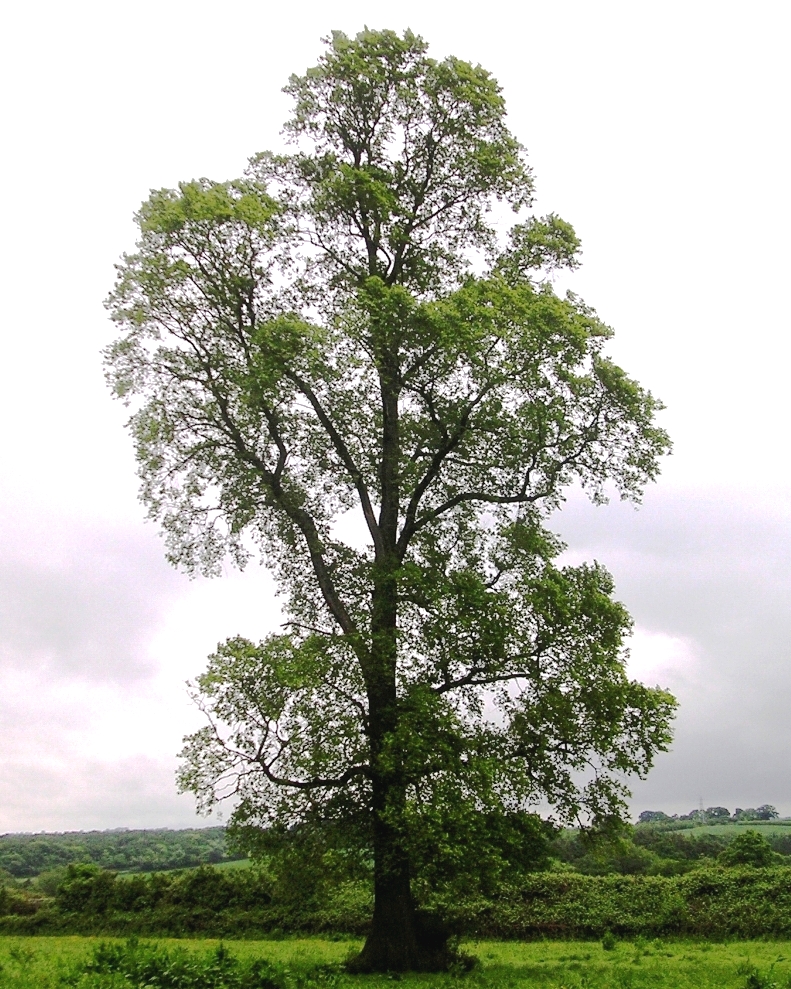
Questions people ask about Englischer Garten
What is the Englischer Garten?
It is a massive 3.7-square-kilometre public park in central Munich, Germany. Built in the naturalistic English landscape style, it offers sweeping meadows, running streams, historic pavilions, and wooded paths for year-round recreation.
Who created the park and when?
Bavarian ruler Elector Charles Theodore initiated the project in 1789 alongside military aide Sir Benjamin Thompson. Initially planned for military farming, landscape designer Friedrich Ludwig von Sckell helped convert it into a public park that opened in 1792.
What famous architectural landmarks are in the park?
Key structures include the twenty-five-metre wooden Chinese Tower, a classical hilltop temple called the Monopteros, a stone bench designed by Leo von Klenze, and a Japanese teahouse built on an island in 1972.
Can you surf in the Englischer Garten?
Yes. One of the artificial streams flowing through the grounds forms a standing wave caused by a hydraulic jump, where experienced board surfers queue along the bank to ride the rushing water.
Good reading and sources
- Englischer Garten on WikipediaEncyclopedia
- More photos on Wikimedia CommonsPhotos
- Wikidata recordOpen data
The facts on this page come from the Wikipedia article "Englischer Garten", written by its contributors and used under the CC BY-SA 4.0 licence, and from its Wikidata record (CC0). EveryPhool rewrote the text in its own words, with AI assistance, and compares every page with the article to make sure no passage is copied. It may be reused under the same CC BY-SA 4.0 licence with a link back.
It may contain mistakes. Opening times, prices and bloom dates change: check with the place before you travel. If something is wrong, tell us. Last refreshed 2026-10-04.
More of the same kind
 Place
AlhambraLa Alhambra
Medieval palace and fortress complex overlooking Granada, Spain
Granada, 🇪🇸 Spain · Flower garden
Place
AlhambraLa Alhambra
Medieval palace and fortress complex overlooking Granada, Spain
Granada, 🇪🇸 Spain · Flower garden
 Place
Rose garden
A public garden devoted to growing and displaying many kinds of roses
L'Haÿ-les-Roses, 🇫🇷 France · Flower garden
Place
Rose garden
A public garden devoted to growing and displaying many kinds of roses
L'Haÿ-les-Roses, 🇫🇷 France · Flower garden
 Place
Villa Rufolo
A historic villa in Ravello with year-round flower gardens and sea views
Ravello, 🇮🇹 Italy · Flower garden
Place
Villa Rufolo
A historic villa in Ravello with year-round flower gardens and sea views
Ravello, 🇮🇹 Italy · Flower garden
 Place
International Garden Festival
Britain’s first major international garden festival, held in Liverpool in 1984
Liverpool, 🇬🇧 United Kingdom · Festival or show, May to Oct
Place
International Garden Festival
Britain’s first major international garden festival, held in Liverpool in 1984
Liverpool, 🇬🇧 United Kingdom · Festival or show, May to Oct
More from Germany
All the flowers of Germany Place
Schau- und Sichtungsgarten Hermannshof
A public show and trial garden in Weinheim, Germany
Weinheim, 🇩🇪 Germany · Botanical garden
Place
Schau- und Sichtungsgarten Hermannshof
A public show and trial garden in Weinheim, Germany
Weinheim, 🇩🇪 Germany · Botanical garden
 Place
Flora und Botanischer Garten Köln
Cologne’s historic park and botanical garden with glasshouses and themed gardens
Cologne, 🇩🇪 Germany · Botanical garden
Place
Flora und Botanischer Garten Köln
Cologne’s historic park and botanical garden with glasshouses and themed gardens
Cologne, 🇩🇪 Germany · Botanical garden
 Place
WilhelmaWilhelma Zoologisch-Botanischer Garten Stuttgart
A Moorish-style zoo and botanical garden in Stuttgart, Germany
Stuttgart, 🇩🇪 Germany · Botanical garden
Place
WilhelmaWilhelma Zoologisch-Botanischer Garten Stuttgart
A Moorish-style zoo and botanical garden in Stuttgart, Germany
Stuttgart, 🇩🇪 Germany · Botanical garden
 Place
Rhododendron-Park Bremen
A vast park in Bremen with the world’s largest rhododendron and azalea collection
Bremen, 🇩🇪 Germany · Botanical garden
Place
Rhododendron-Park Bremen
A vast park in Bremen with the world’s largest rhododendron and azalea collection
Bremen, 🇩🇪 Germany · Botanical garden