
Hestercombe House
Historic house and gardens in Somerset with Georgian, Victorian, and Edwardian designs
Hestercombe House is a country house near Taunton, Somerset, surrounded by over 100 acres of gardens in Georgian, Victorian, and Edwardian styles. The estate is open to visitors, featuring restored gardens, lakes, and architectural features, and is a site of historic and ecological interest.
- Features over 100 acres of gardens in three historic styles
- Edwardian garden designed by Gertrude Jekyll and Edwin Lutyens
- Home to a significant roost of lesser horseshoe bats
- Listed as a Grade II* building and Grade I historic garden
- Includes a restored watermill and visitor centre
What is Hestercombe House?
Hestercombe House sits within a large estate in Somerset, England, and is known for its blend of architectural styles and extensive gardens. The grounds include formal terraces, woodland walks, lakes, and a variety of garden features such as temples, cascades, and parterres. Visitors can explore restored Edwardian gardens, a Georgian landscape, and Victorian plantings, along with a watermill and visitor centre. The site also supports wildlife, including a significant population of lesser horseshoe bats.
The history of Hestercombe House
The estate’s history stretches back to the 11th century, when it was owned by Glastonbury Abbey. The current house was constructed in the 1500s for the Warre family and passed through several families over the centuries. In the 18th century, Coplestone Warre Bampfylde developed the landscape gardens, adding ornamental structures and water features. Later, the house was expanded and altered, especially in the Victorian period. Since the 20th century, the estate has changed hands from private owners to public bodies and charitable trusts.
What there is to see
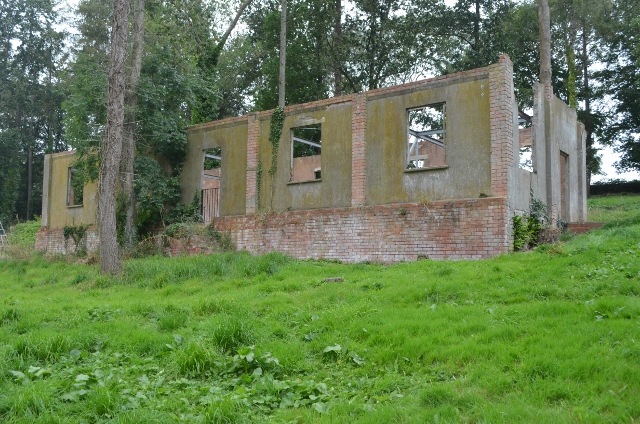
The gardens at Hestercombe have evolved over time, with major work in the 18th, 19th, and early 20th centuries. The Georgian landscape features lakes, cascades, and temples, while the Victorian era added formal parterres. The Edwardian garden, designed in the early 1900s, introduced structured layouts and mixed herbaceous borders. Restoration efforts in the 21st century have preserved these styles, and the gardens are maintained for public enjoyment and biodiversity.



When to go
Hestercombe House and its gardens welcome visitors throughout the year. The estate hosts exhibitions, garden tours, and events, and its grounds are popular for walks and learning about garden history. The house has served various roles, including military headquarters during World War II and as a fire service centre. Today, it is managed by a trust and remains a destination for those interested in gardens, history, and wildlife.
Parts and collections
The estate’s gardens display three main periods: the Georgian landscape with its water features and temples, the Victorian shrubbery and formal parterre, and the Edwardian garden with its patterned layout and colourful borders. Each area reflects the tastes and design principles of its time, offering visitors a chance to experience different approaches to garden design in one place.
Why Hestercombe House matters
Hestercombe is recognised for its historic and horticultural value, with the house and gardens both listed for their special interest. The Edwardian garden is notable for its association with Gertrude Jekyll and Edwin Lutyens, whose collaboration influenced garden design across Britain. The site is also important for wildlife, providing habitat for rare bats and being designated as a Site of Special Scientific Interest.
Questions people ask about Hestercombe House
Where is Hestercombe House located?
Hestercombe House is found near Taunton in Somerset, England, within the Quantock Hills and close to the village of Cheddon Fitzpaine.
What makes the gardens at Hestercombe special?
The gardens combine Georgian, Victorian, and Edwardian design, including formal terraces, woodland, lakes, and features by famous designers Gertrude Jekyll and Edwin Lutyens.
What is the historical significance of Hestercombe House?
The house dates to the 16th century and has served as a family home, military headquarters, and public service centre. Its gardens and architecture reflect several important periods in English history.
Can visitors explore the gardens and house?
Yes, the estate is open to the public, offering access to its gardens, exhibitions, and visitor facilities. Events and tours are held throughout the year.
Is Hestercombe important for wildlife?
Yes, the site includes a protected area for lesser horseshoe bats and supports a range of plant and animal life, making it notable for biodiversity.
Good reading and sources
- Hestercombe House on WikipediaEncyclopedia
- More photos on Wikimedia CommonsPhotos
- Wikidata recordOpen data
The facts on this page come from the Wikipedia article "Hestercombe House", written by its contributors and used under the CC BY-SA 4.0 licence, and from its Wikidata record (CC0). Phool rewrote the text in its own words, with AI assistance, and compares every page with the article to make sure no passage is copied. It may be reused under the same CC BY-SA 4.0 licence with a link back.
It may contain mistakes. Opening times, prices and bloom dates change: check with the place before you travel. If something is wrong, tell us. Last refreshed 2026-10-03.
More of the same kind
 Place
AlhambraLa Alhambra
Medieval palace and fortress complex overlooking Granada, Spain
Granada, 🇪🇸 Spain · Flower garden
Place
AlhambraLa Alhambra
Medieval palace and fortress complex overlooking Granada, Spain
Granada, 🇪🇸 Spain · Flower garden
 Place
Rose garden
A public garden devoted to growing and displaying many kinds of roses
L'Haÿ-les-Roses, 🇫🇷 France · Flower garden
Place
Rose garden
A public garden devoted to growing and displaying many kinds of roses
L'Haÿ-les-Roses, 🇫🇷 France · Flower garden
 Place
Villa Rufolo
A historic villa in Ravello with year-round flower gardens and sea views
Ravello, 🇮🇹 Italy · Flower garden
Place
Villa Rufolo
A historic villa in Ravello with year-round flower gardens and sea views
Ravello, 🇮🇹 Italy · Flower garden
 Place
International Garden Festival
Britain’s first major international garden festival, held in Liverpool in 1984
Liverpool, 🇬🇧 United Kingdom · Festival or show, May to Oct
Place
International Garden Festival
Britain’s first major international garden festival, held in Liverpool in 1984
Liverpool, 🇬🇧 United Kingdom · Festival or show, May to Oct
More from the United Kingdom
All the flowers of the United Kingdom Place
Castle Howard
A grand English country house with historic gardens near York
Henderskelfe, 🇬🇧 United Kingdom · Flower garden
Place
Castle Howard
A grand English country house with historic gardens near York
Henderskelfe, 🇬🇧 United Kingdom · Flower garden
 Place
Royal Botanic Gardens, Kew
London’s world-renowned botanical gardens and plant science centre
Kew, 🇬🇧 United Kingdom · Botanical garden
Place
Royal Botanic Gardens, Kew
London’s world-renowned botanical gardens and plant science centre
Kew, 🇬🇧 United Kingdom · Botanical garden
 Place
RHS Garden Wisley
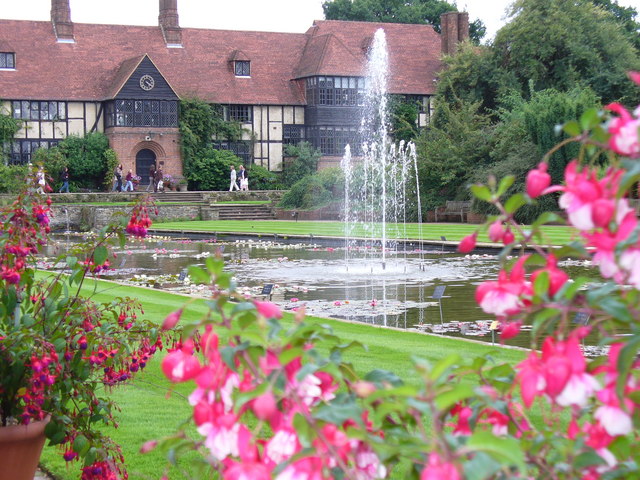
A major English garden with glasshouses, borders and plant trials in Surrey
Wisley, 🇬🇧 United Kingdom · Botanical garden
Place
RHS Garden Wisley
A major English garden with glasshouses, borders and plant trials in Surrey
Wisley, 🇬🇧 United Kingdom · Botanical garden
 Place
RHS Garden Hyde Hall
A 360-acre public display garden in Essex run by the Royal Horticultural Society
Chelmsford, 🇬🇧 United Kingdom · Botanical garden
Place
RHS Garden Hyde Hall
A 360-acre public display garden in Essex run by the Royal Horticultural Society
Chelmsford, 🇬🇧 United Kingdom · Botanical garden