
Singapore Botanic Gardens
In its own language: 新加坡植物园
Singapore’s historic tropical garden and World Heritage Site
Singapore Botanic Gardens is an 82-hectare tropical garden near Orchard Road in Singapore. Founded in 1859, it holds over 10,000 plant species, including a renowned orchid collection. The gardens are a UNESCO World Heritage Site and play a key role in plant research, conservation, and Singapore’s identity as a "Garden City."
- UNESCO World Heritage Site since 2015
- Home to over 10,000 plant species
- National Orchid Garden displays 1,200 species and 2,000 hybrids
- Rainforest section predates modern Singapore
- Orchid hybrids named for visiting dignitaries
What is Singapore Botanic Gardens?
The Singapore Botanic Gardens cover a large area with winding paths, lakes, themed gardens, and a patch of original rainforest. Visitors can see thousands of plant species, from towering palms and lush tropical trees to rare orchids and flowering shrubs. The National Orchid Garden is a highlight, displaying a huge variety of orchid species and hybrids. The gardens also feature colonial-era buildings, water features, and open lawns, making it a popular spot for both plant lovers and families.
The history of Singapore Botanic Gardens
The present gardens began in 1859 when the Agri-horticultural Society was granted land in Tanglin. Early on, the gardens were laid out in the style of English landscape parks, with promenades and ornamental plantings. Over time, the gardens expanded and became a centre for plant research. In the late 1800s and early 1900s, the gardens helped develop rubber cultivation, which became a major industry in the region. The gardens have survived wars and changes in government, growing into a leading institution for tropical botany and conservation.
What there is to see
The gardens are divided into themed zones, each with its own collection of plants. The National Orchid Garden displays over 1,000 orchid species and 2,000 hybrids, while the Learning Forest introduces visitors to tropical trees and conservation efforts. There are also lakes, lawns, and a preserved rainforest section. Paths and boardwalks connect the different areas, and visitors can explore at their own pace. The gardens are open year-round, taking advantage of Singapore’s equatorial climate.


When to go
People visit the gardens for recreation, education, and to enjoy the wide range of tropical plants. The gardens are a popular spot for walking, picnics, and photography. Researchers use the collections for botanical studies, and the gardens host events, exhibitions, and guided tours. The National Orchid Garden is especially popular with tourists and dignitaries, who sometimes have orchids named after them as part of Singapore’s 'orchid diplomacy.'
Parts and collections
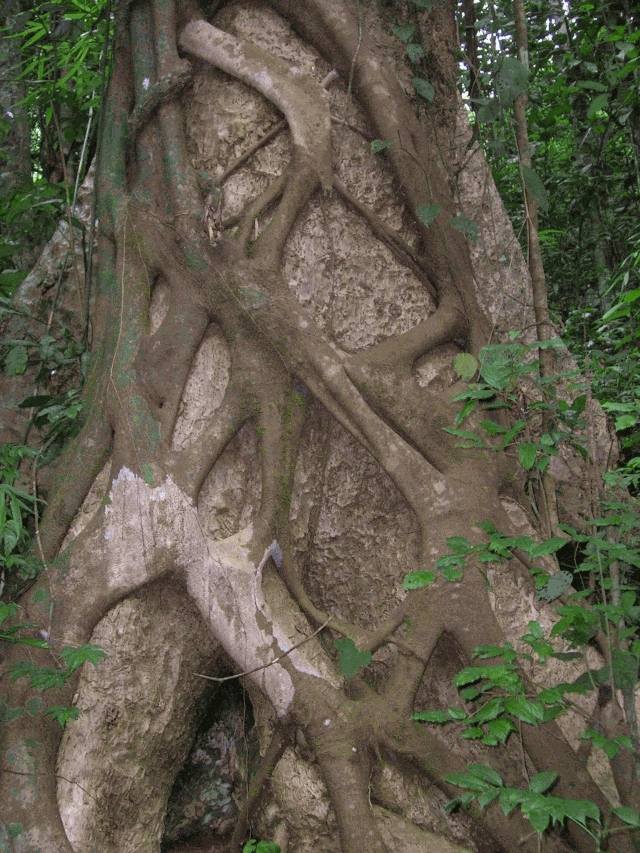
Within the gardens, different areas focus on specific plant groups. The National Orchid Garden is known for its vast collection of orchid species and hybrids, including those named for visiting VIPs. The Rainforest section preserves native trees, some of which are rare or endangered. Other features include the Palm Valley, themed houses for bromeliads and cool-climate orchids, and the Learning Forest, which highlights tropical tree species.
Why Singapore Botanic Gardens matters
The gardens are a symbol of Singapore’s commitment to greenery and conservation. They played a major role in the country’s 'Garden City' campaign after independence. In 2015, the gardens were recognised as a UNESCO World Heritage Site, the only tropical garden with this status. The National Orchid Garden’s tradition of naming hybrids after visiting leaders is a unique form of cultural diplomacy. The gardens are also important for education and public enjoyment.
Plan a visit

Questions people ask about Singapore Botanic Gardens
Where is the Singapore Botanic Gardens located?
The gardens are in the Tanglin area, near the Orchard Road district in central Singapore. They are easily accessible by public transport and have several entrances.
What makes the Singapore Botanic Gardens special?
It is the only tropical garden recognised as a UNESCO World Heritage Site and is known for its large collection of plants, especially orchids. The gardens also played a key role in the history of rubber cultivation.
What can visitors see at the gardens?
Visitors can explore themed gardens, a preserved rainforest, lakes, lawns, and the National Orchid Garden, which has thousands of orchid species and hybrids. There are also colonial buildings and educational exhibits.
How old are the Singapore Botanic Gardens?
The current gardens were founded in 1859, though an earlier botanical garden existed in the 1820s. Some trees in the rainforest section are even older than the gardens themselves.
Why are orchids important at the gardens?
Singapore is a major exporter of cut orchids, and the National Orchid Garden is a centre for orchid research and hybridisation. Orchids are also used in Singapore’s 'orchid diplomacy,' with new hybrids named for visiting leaders.
Good reading and sources
- Official websiteOfficial site
- Encyclopaedia BritannicaArticle
- Singapore Botanic GardensUNESCO, Article
- Singapore Botanic Gardens on WikipediaEncyclopedia
- More photos on Wikimedia CommonsPhotos
- Wikidata recordOpen data
The facts on this page come from the Wikipedia article "Singapore Botanic Gardens", written by its contributors and used under the CC BY-SA 4.0 licence, and from its Wikidata record (CC0). Phool rewrote the text in its own words, with AI assistance, and compares every page with the article to make sure no passage is copied. It may be reused under the same CC BY-SA 4.0 licence with a link back.
It may contain mistakes. Opening times, prices and bloom dates change: check with the place before you travel. If something is wrong, tell us. Last refreshed 2026-10-03.
More of the same kind
 Place
Tropical Botanical Garden and Research Institute
A major botanical garden and research centre in Thiruvananthapuram, Kerala
Thiruvananthapuram, 🇮🇳 India · Botanical garden
Place
Tropical Botanical Garden and Research Institute
A major botanical garden and research centre in Thiruvananthapuram, Kerala
Thiruvananthapuram, 🇮🇳 India · Botanical garden
 Place
Baldha Gardenবলধা গার্ডেন
A historic botanical garden in Old Dhaka with hundreds of plant species
Dhaka, 🇧🇩 Bangladesh · Botanical garden
Place
Baldha Gardenবলধা গার্ডেন
A historic botanical garden in Old Dhaka with hundreds of plant species
Dhaka, 🇧🇩 Bangladesh · Botanical garden
 Place
Hakone Botanical Garden of Wetlands箱根湿生花園
A garden of wetland and alpine plants in Hakone, Japan
Hakone, 🇯🇵 Japan · Botanical garden
Place
Hakone Botanical Garden of Wetlands箱根湿生花園
A garden of wetland and alpine plants in Hakone, Japan
Hakone, 🇯🇵 Japan · Botanical garden
 Place
Sim's Park, Coonoor
A century-old botanical garden in the Nilgiri hills of Tamil Nadu
Coonoor, 🇮🇳 India · Botanical garden, May
Place
Sim's Park, Coonoor
A century-old botanical garden in the Nilgiri hills of Tamil Nadu
Coonoor, 🇮🇳 India · Botanical garden, May
More from Singapore
All the flowers of Singapore Place
Gardens by the BayTaman di Persisiran / 滨海湾花园 / வளைகுடா தோட்டம்
Singapore’s waterfront gardens with giant Supertrees and world-class glasshouses
Downtown Core, 🇸🇬 Singapore · Flower garden
Place
Gardens by the BayTaman di Persisiran / 滨海湾花园 / வளைகுடா தோட்டம்
Singapore’s waterfront gardens with giant Supertrees and world-class glasshouses
Downtown Core, 🇸🇬 Singapore · Flower garden
 Place
Jurong Lake Gardens
Singapore’s national garden of Chinese, Japanese, and Lakeside gardens around Jurong Lake
🇸🇬 Singapore · Flower garden, Jan to Oct
Place
Jurong Lake Gardens
Singapore’s national garden of Chinese, Japanese, and Lakeside gardens around Jurong Lake
🇸🇬 Singapore · Flower garden, Jan to Oct
 Pigeon orchidDendrobium crumenatum
A white, fragrant orchid that blooms all at once after rain
🇮🇳 India and 5 more · Wildflower
Pigeon orchidDendrobium crumenatum
A white, fragrant orchid that blooms all at once after rain
🇮🇳 India and 5 more · Wildflower
 Rafflesia
The giant parasitic flower that smells of rotting flesh
🇲🇾 Malaysia and 5 more · Wildflower
Rafflesia
The giant parasitic flower that smells of rotting flesh
🇲🇾 Malaysia and 5 more · Wildflower