🇪🇨 The flowers of Ecuador
30 pages from Ecuador: its flowers, the things made with them and the places to see them, across 6 cities and regions.
Ecuador is home to an extraordinary range of flowering plants, shaped by its tropical climate and dramatic geography. Its flora includes many species found nowhere else, especially in the Galápagos Islands. Ecuador stands out for its high number of endemic flowers and its recognition of nature's rights in law.
The plant life of Ecuador
Ecuador's plant life is among the richest on Earth, thanks to its position on the equator and its varied landscapes. The country spans humid rainforests, high Andean mountains, coastal plains, and the remote Galápagos Islands. This diversity creates habitats for a vast array of flowering plants, many of which are unique to Ecuador. The country's status as one of the world's 17 megadiverse nations reflects its exceptional plant variety, including numerous endemic species found only within its borders.
From region to region in Ecuador
Flora changes dramatically across Ecuador's regions. The Amazon basin supports dense rainforest with countless plant species. The Andes mountains are home to high-altitude flowers adapted to cooler climates. Coastal areas feature different vegetation, shaped by a mix of agriculture and natural growth. The Galápagos Islands, far off the mainland, host unique flowers and plants found nowhere else, shaped by their isolation.
Flowers to know in Ecuador
Ecuador is especially known for its endemic plants, particularly those of the Galápagos Islands. These islands support flowering species that exist only there. The country's plant life is so distinctive that its constitution recognizes the rights of nature, a world first. While the sources do not list specific flowers, Ecuador's reputation for unique and rare species is well established.
Threats and protection in Ecuador
Ecuador's unique plants face threats from habitat loss and environmental change. Many species are rare or found only in small areas, making them vulnerable. The country has responded by creating protected areas and reserves, and by enshrining environmental protection in its constitution, including legal rights for nature itself.
The facts in this overview come from the Wikipedia article "Ecuador", written by its contributors and used under the CC BY-SA 4.0 licence. Phool rewrote the text in its own words, with AI assistance, and compares every page with the article to make sure no passage is copied. It may be reused under the same CC BY-SA 4.0 licence with a link back.
Flower experiences in Ecuador
 🇪🇨 Cayambe · All yearThe rose farms of CayambeA valley on the equator north of Quito where roses grow slowly at altitude into very long stems with large heads.
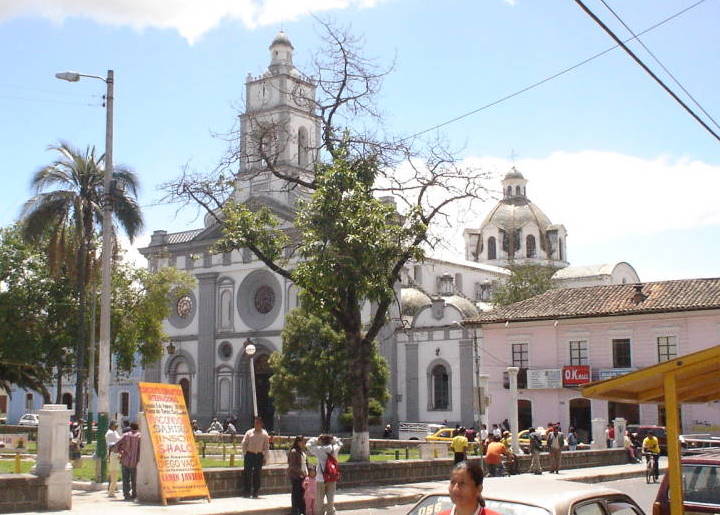
 🇪🇨 Cuenca · All yearThe flower square of CuencaA small daily flower market under white umbrellas, set against a colonial church in the historic centre of Cuenca.
 🇪🇨 Quito · All yearOrchid houses of the Quito Botanical GardenA compact garden in La Carolina park that walks you through Ecuador's ecosystems and into two houses full of orchids.
Cities and regions of Ecuador
 Decoration
Cut flowers
Fresh flowers and buds trimmed for decoration and display
🇳🇱 Netherlands and 6 more · Arrangement
Decoration
Cut flowers
Fresh flowers and buds trimmed for decoration and display
🇳🇱 Netherlands and 6 more · Arrangement
 Decoration
Topiary
The art of shaping living shrubs and trees into geometric or fanciful forms
🇮🇹 Italy and 6 more · Arrangement
Decoration
Topiary
The art of shaping living shrubs and trees into geometric or fanciful forms
🇮🇹 Italy and 6 more · Arrangement
 Decoration
Floral industry
The global trade and business of growing, selling, and arranging flowers
🇳🇱 Netherlands and 7 more · Custom
Decoration
Floral industry
The global trade and business of growing, selling, and arranging flowers
🇳🇱 Netherlands and 7 more · Custom
Photo credits on this page
The small pictures above come from Wikimedia Commons under free licences. Some are cropped to fit.
- Quito Botanical Garden: C T Johansson, CC BY-SA 3.0, source
- Cayambe: Diego Tirira, CC BY-SA 2.0, source
- Cut flowers: Rept0n1x, CC BY-SA 3.0, source
- Topiary: Burkhard Mücke, CC BY-SA 4.0, source
- Floral industry: Satin66Flower, CC BY-SA 4.0, source
- Cuenca Plaza De Las Flores: amalavida.tv, CC BY-SA 2.0, source
- Ecuador: NASA, Public domain, source