
Wintersweet
Chimonanthus praecox, family Calycanthaceae
In its own language: 蠟梅
A winter-blooming shrub with fragrant yellow flowers from China
Wintersweet is a deciduous shrub native to China, known for its strong-scented yellow flowers that bloom on bare branches in winter. It is grown in gardens for its winter colour and is featured in Persian poetry and music.
- Blooms with fragrant yellow flowers in winter on bare branches
- Native to China, also grown in Iran and Japan
- Flowers have 15–21 tepals, some with purplish red pigments
- Featured in Persian poetry and music
- Cultivars 'Grandiflorus' and 'Luteus' have won garden awards
What does Wintersweet look like?
Wintersweet is a deciduous shrub that can reach up to 4 metres tall, with an upright trunk and broad, elongated leaves. Its flowers appear in winter on bare stems, hanging down and giving off a strong, sweet scent. Each flower has 15 to 21 yellow or pale green-yellow tepals, with the inner ones often streaked with purplish red. The blooms bring colour and fragrance to gardens during the dormant season.
Where does Wintersweet come from?
This plant is native to China, especially regions such as Beijing, Shanghai, Fujian, and Guangdong. It has been cultivated for centuries in Chinese gardens for its winter flowers. Over time, it spread to other countries, including Iran and Japan, where it is also appreciated. The name 'wintersweet' refers to its fragrant winter blooms, while in Persian it is called 'gol-e yakh', meaning 'ice flower'.
When and how Wintersweet blooms
Wintersweet flowers from late autumn through early spring, with blooming times from November to March in the UK. It is usually grown as a garden shrub, thriving in well-drained soil and full sun to partial shade. The plant is propagated by seed or cuttings, and its cultivars, such as 'Grandiflorus' and 'Luteus', are valued for their large or richly coloured flowers.


How Wintersweet is used
People grow wintersweet mainly for its decorative value in gardens, as it provides colour and fragrance when few other plants bloom. In Iran, it is also appreciated as a motif in poetry, literature, and music. The flowers are sometimes cut and brought indoors to enjoy their scent during winter.
Kinds of Wintersweet
Notable cultivated varieties include 'Grandiflorus', which has larger flowers, and 'Luteus', known for its rich yellow blooms. Both have received recognition from horticultural societies for their ornamental qualities.
What Wintersweet means
Wintersweet holds a place in Persian culture, appearing in poetry and music as a symbol of beauty and endurance in winter. Its presence in gardens is valued for the cheer it brings during the cold months. The plant is not closely related to true allspice, despite one of its common names.
Questions people ask about Wintersweet
Where does wintersweet come from?
Wintersweet is native to China, especially regions like Beijing, Shanghai, Fujian, and Guangdong. It is also grown in Iran and Japan.
What does wintersweet look like?
It is a tall shrub with upright stems and broad leaves. Its winter flowers are yellow or pale green-yellow, strongly scented, and often have purplish red inner tepals.
When does wintersweet bloom?
Wintersweet flowers from November to March, providing colour and scent during the winter months.
How is wintersweet used?
It is mainly grown as a garden shrub for its winter flowers. In Iran, it is also a motif in poetry and music, and the blooms are sometimes cut for indoor display.
What does wintersweet symbolise?
In Persian culture, wintersweet appears in poetry and music, often symbolising beauty and resilience in winter.
Good reading and sources
- Chimonanthus praecox 'Grandiflorus' | large-flowered wintersweetRoyal Horticultural Society, Article
- IUCN Red List of Threatened SpeciesIUCN Red List, Article
- Plants of the World OnlineRoyal Botanic Gardens, Kew, Plant database
- Where it has been recordedGBIF, Plant database
- Sightings and photos by naturalistsiNaturalist, Plant database
- Chimonanthus praecox on WikipediaEncyclopedia
- More photos on Wikimedia CommonsPhotos
- Wikidata recordOpen data
The facts on this page come from the Wikipedia article "Chimonanthus praecox", written by its contributors and used under the CC BY-SA 4.0 licence, and from its Wikidata record (CC0). Phool rewrote the text in its own words, with AI assistance, and compares every page with the article to make sure no passage is copied. It may be reused under the same CC BY-SA 4.0 licence with a link back.
It may contain mistakes. It is not medical or foraging advice: many flowers are poisonous, and traditional uses are reported, not recommended. If something is wrong, tell us. Last refreshed 2026-10-03.
More from China
All the flowers of China PeachPrunus persica
A flowering fruit tree from China, grown for its pink blossoms and sweet fruit
🇨🇳 China and 7 more · Flowering tree
PeachPrunus persica
A flowering fruit tree from China, grown for its pink blossoms and sweet fruit
🇨🇳 China and 7 more · Flowering tree
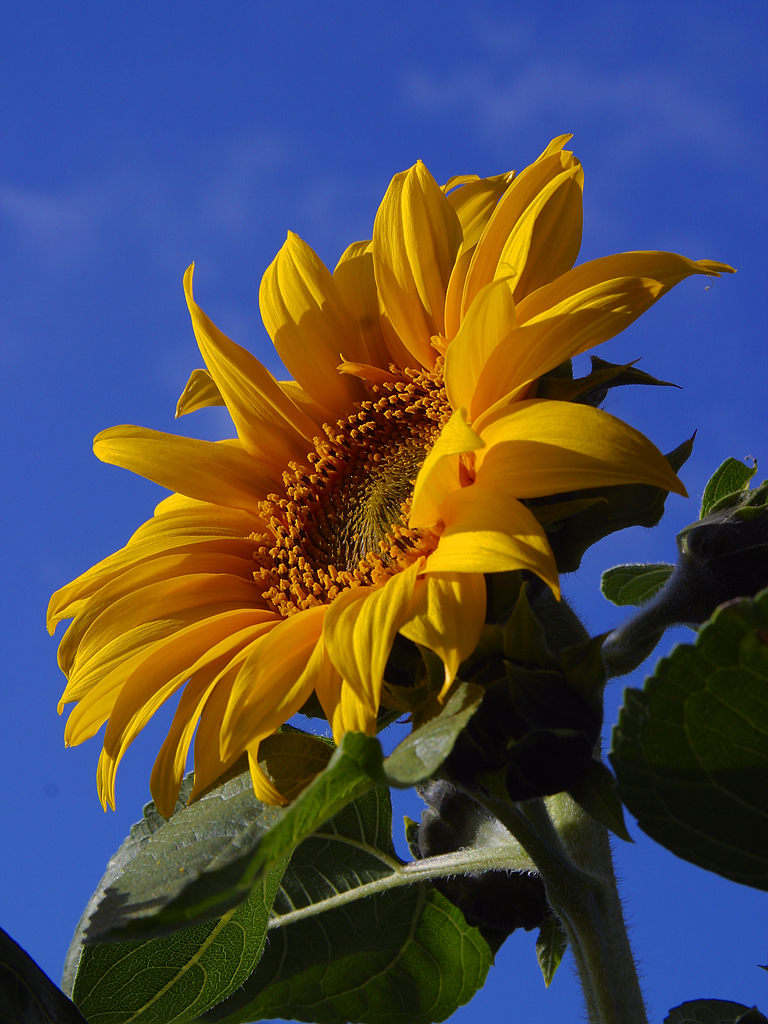 Common sunflowerHelianthus annuus
A tall annual plant grown for its large yellow flower heads and edible seeds
🇨🇦 Canada and 4 more · Wildflower
Common sunflowerHelianthus annuus
A tall annual plant grown for its large yellow flower heads and edible seeds
🇨🇦 Canada and 4 more · Wildflower
 PomegranatePunica granatum
A shrub with bright red flowers and a fruit full of edible seeds
🇮🇷 Iran and 9 more · Flowering shrub
PomegranatePunica granatum
A shrub with bright red flowers and a fruit full of edible seeds
🇮🇷 Iran and 9 more · Flowering shrub
 ApricotPrunus armeniaca
A small fruit tree with early white to pink blossoms and golden-orange fruit
🇨🇳 China and 6 more · Flowering tree
ApricotPrunus armeniaca
A small fruit tree with early white to pink blossoms and golden-orange fruit
🇨🇳 China and 6 more · Flowering tree