
Showy stonecrop
Hylotelephium spectabile, family Crassulaceae
A pink-flowered succulent from China, popular in gardens and bouquets
Showy stonecrop is a perennial succulent from China and Korea, grown for its flat clusters of star-shaped pink flowers. It reaches about 45 cm tall, thrives in sunny spots, and is often found in rock gardens, beds, and as a cut flower in bouquets.
- Native to China and Korea
- Produces flat clusters of star-shaped pink flowers
- Grows well in sunny, dry spots and tolerates cold
- Popular in rock gardens and as a cut flower
- Used in scientific studies on plant chemistry
What does Showy stonecrop look like?
Showy stonecrop is a low-growing perennial with fleshy, upright stems and blue-green, toothed leaves. The leaves are arranged either opposite each other or in groups of three, and have a frosted look on top. In late summer and autumn, it produces broad, flat heads of small, star-like pink flowers, each about a centimeter across, with purple anthers. The plant forms clumps about 45 cm high and wide, making it suitable for borders and rock gardens.
Where does Showy stonecrop come from?
This plant is native to China and Korea, where it grows wild. It was brought to European gardens in the nineteenth century. Over time, gardeners have developed several named varieties, and it is now widely grown in temperate regions for its attractive flowers and easy care.
When and how Showy stonecrop blooms
Showy stonecrop blooms from summer until the first frost. It prefers full sun and tolerates drought and cold once established. Gardeners often grow it in well-drained soil, either in garden beds, rockeries, or pots. The plant can be divided in spring to create new clumps, making it easy to propagate.

How Showy stonecrop is used
People grow showy stonecrop mainly for its decorative flowers, which attract pollinators and are also used by florists in bouquets. Its ability to thrive in dry, sunny spots makes it a favorite for rock gardens and low-maintenance borders. The plant is also used in scientific studies on plant chemistry and soil purification.
Kinds of Showy stonecrop
There are several cultivated forms of showy stonecrop, including the popular 'Brilliant', known for its vibrant pink blooms. Both the species and some cultivars have been recognized by horticultural societies for their garden value.
What Showy stonecrop means
The Latin name 'spectabile' highlights the plant's showy appearance. It is valued in gardens for its resilience and ornamental flowers. In China, it is a common sight in home gardens and public plantings. Its use in research includes studies on plant sugars and soil cleaning.
Questions people ask about Showy stonecrop
Where does showy stonecrop come from?
Showy stonecrop is originally from China and Korea, where it grows in the wild and is widely cultivated in gardens.
What does showy stonecrop look like?
It is a succulent perennial with upright stems, blue-green toothed leaves, and flat clusters of small, pink, star-shaped flowers that appear from summer into autumn.
How is showy stonecrop used?
It is grown for its decorative flowers in gardens and rockeries, and its blooms are often used in floral arrangements. The plant is also studied in laboratories for its unique plant chemistry.
Is showy stonecrop easy to grow?
Yes, it is easy to grow in full sun and well-drained soil, tolerates drought and cold, and can be propagated by dividing clumps in spring.
Does showy stonecrop have any special meaning or symbolism?
Its Latin name refers to its showy flowers, and it is valued for its ornamental qualities, but the sources do not mention any specific symbolic meaning.
Good reading and sources
- BBC - Gardening: Plant FinderBBC, Article
- Hylotelephium spectabileRoyal Horticultural Society, Article
- Plants of the World OnlineRoyal Botanic Gardens, Kew, Plant database
- Where it has been recordedGBIF, Plant database
- Sightings and photos by naturalistsiNaturalist, Plant database
- Hylotelephium spectabile on WikipediaEncyclopedia
- More photos on Wikimedia CommonsPhotos
- Wikidata recordOpen data
The facts on this page come from the Wikipedia article "Hylotelephium spectabile", written by its contributors and used under the CC BY-SA 4.0 licence, and from its Wikidata record (CC0). Phool rewrote the text in its own words, with AI assistance, and compares every page with the article to make sure no passage is copied. It may be reused under the same CC BY-SA 4.0 licence with a link back.
It may contain mistakes. It is not medical or foraging advice: many flowers are poisonous, and traditional uses are reported, not recommended. If something is wrong, tell us. Last refreshed 2026-10-03.
Others in the family Crassulaceae
The whole family Kalanchoe blossfeldiana
A compact succulent with bright winter blooms from Madagascar
🇲🇬 Madagascar and 1 more · Garden flower
Kalanchoe blossfeldiana
A compact succulent with bright winter blooms from Madagascar
🇲🇬 Madagascar and 1 more · Garden flower
 Rhodiola rosea
A hardy Arctic wildflower with yellow-green blooms and a thick, scaly root
🇨🇳 China and 4 more · Wildflower
Rhodiola rosea
A hardy Arctic wildflower with yellow-green blooms and a thick, scaly root
🇨🇳 China and 4 more · Wildflower
 StonecropSedum
A group of succulent plants with star-shaped flowers and fleshy leaves
Sedum · Wildflower
StonecropSedum
A group of succulent plants with star-shaped flowers and fleshy leaves
Sedum · Wildflower
More from China
All the flowers of China PeachPrunus persica
A flowering fruit tree from China, grown for its pink blossoms and sweet fruit
🇨🇳 China and 7 more · Flowering tree
PeachPrunus persica
A flowering fruit tree from China, grown for its pink blossoms and sweet fruit
🇨🇳 China and 7 more · Flowering tree
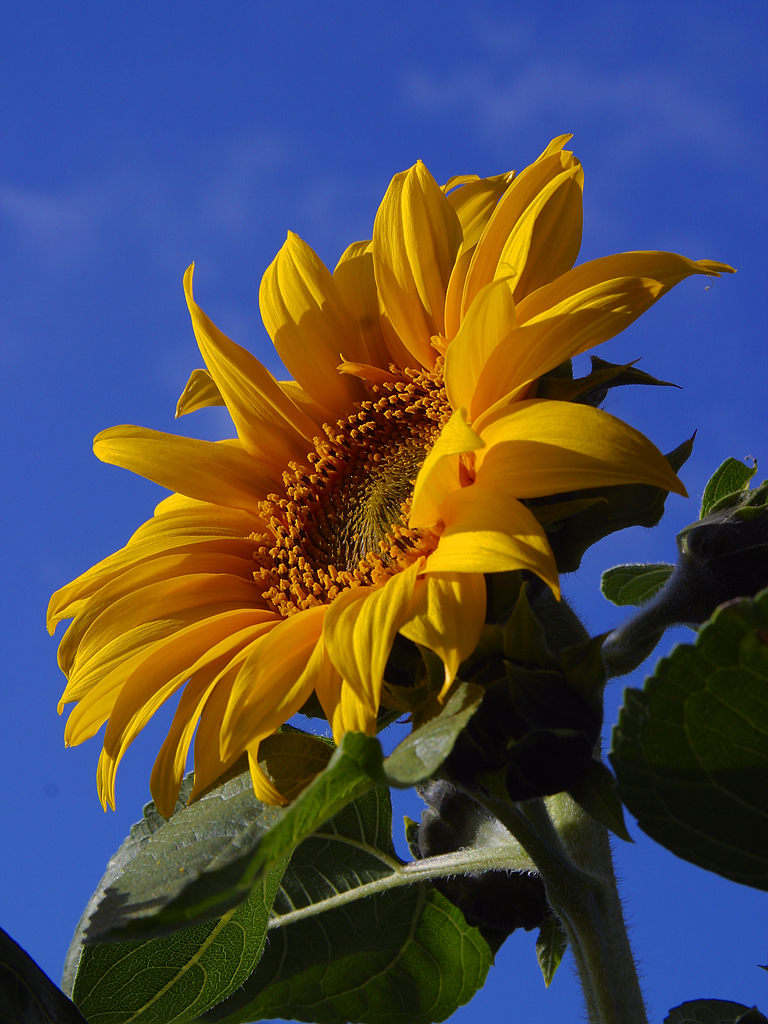 Common sunflowerHelianthus annuus
A tall annual plant grown for its large yellow flower heads and edible seeds
🇨🇦 Canada and 4 more · Wildflower
Common sunflowerHelianthus annuus
A tall annual plant grown for its large yellow flower heads and edible seeds
🇨🇦 Canada and 4 more · Wildflower
 PomegranatePunica granatum
A shrub with bright red flowers and a fruit full of edible seeds
🇮🇷 Iran and 9 more · Flowering shrub
PomegranatePunica granatum
A shrub with bright red flowers and a fruit full of edible seeds
🇮🇷 Iran and 9 more · Flowering shrub
 ApricotPrunus armeniaca
A small fruit tree with early white to pink blossoms and golden-orange fruit
🇨🇳 China and 6 more · Flowering tree
ApricotPrunus armeniaca
A small fruit tree with early white to pink blossoms and golden-orange fruit
🇨🇳 China and 6 more · Flowering tree