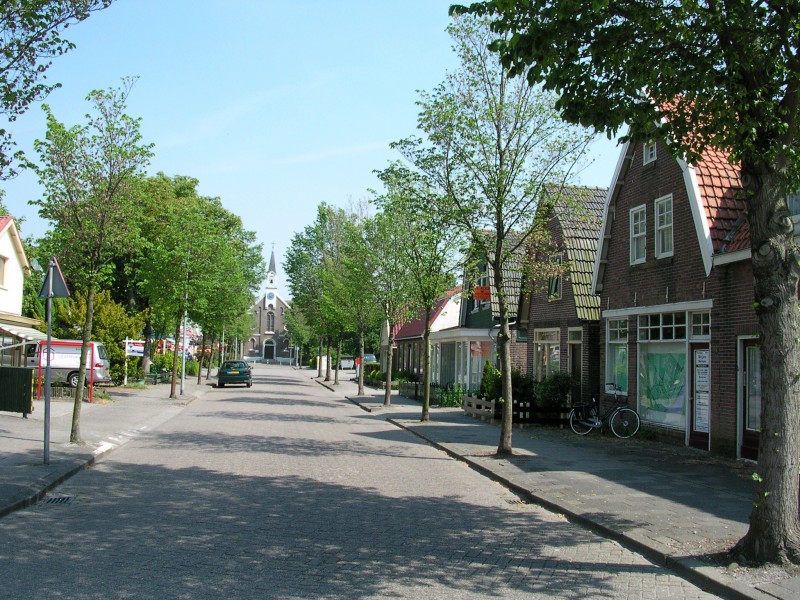
Anna Paulowna
A Dutch town in North Holland named after a Russian queen
Anna Paulowna is a town in the province of North Holland, Netherlands. It takes its name from the Anna Paulownapolder, land reclaimed from the sea in the 19th century and named for Queen Anna Paulowna of Russia. Since 2012, the town has been part of the Hollands Kroon municipality.
- Named after Queen Anna Paulowna of Russia
- Formed on land reclaimed from the sea in the 19th century
- Now part of the Hollands Kroon municipality
- Served by a railway station on the Dutch network
What is Anna Paulowna?
Anna Paulowna is a town in the Dutch province of North Holland. It features a historical center and is known for its connection to the surrounding polder landscape, which is land reclaimed from water. The area includes several small villages and is accessible by train, with a station serving the town. The town has a typical Dutch rural setting with flat fields and waterways.
The history of Anna Paulowna
The land where Anna Paulowna stands was reclaimed from the sea in the 1800s, forming the Anna Paulownapolder. The polder was named in honor of Queen Anna Paulowna of Russia, who was married to King William II of the Netherlands. The town developed after the polder was created and grew to include several nearby villages. In 2012, Anna Paulowna became part of the larger Hollands Kroon municipality.
What there is to see
The town is laid out within the Anna Paulownapolder, which was created by draining water to form new land. The area is divided into villages and small towns, with Anna Paulowna as the main settlement. The railway station connects the town to other parts of the Netherlands, making it accessible for visitors and residents.
When to go
Anna Paulowna serves as a residential and local center within the North Holland region. It is also a stop for travelers using the Dutch railway system. The town and its surrounding villages are part of the rural landscape of the polder, with agriculture and local life shaping the area.
Parts and collections
The former municipality included several villages: Breezand, Nieuwesluis, Van Ewijcksluis, and Wieringerwaard, each with its own local character. Since 2012, all are part of the Hollands Kroon municipality.
Why Anna Paulowna matters
Anna Paulowna’s name reflects a historical link to Russian royalty through Queen Anna Paulowna. The town’s identity is shaped by its polder history and its place in Dutch land reclamation. The area is part of the broader Dutch tradition of creating new land from water, a significant aspect of the country’s heritage.
Questions people ask about Anna Paulowna
Where is Anna Paulowna located?
Anna Paulowna is in the province of North Holland in the Netherlands. It is part of the Hollands Kroon municipality and lies within the Anna Paulownapolder, an area of reclaimed land.
How did Anna Paulowna get its name?
The town is named after the Anna Paulownapolder, which was named in honor of Queen Anna Paulowna of Russia, the wife of King William II of the Netherlands.
What is special about the land around Anna Paulowna?
The area is a polder, meaning it was created by draining water to reclaim land from the sea. This is a common practice in the Netherlands and is part of the country’s tradition of land reclamation.
Is Anna Paulowna still an independent municipality?
No, since 2012 Anna Paulowna has been part of the larger Hollands Kroon municipality, which includes several other towns and villages.
Good reading and sources
- Anna Paulowna on WikipediaEncyclopedia
- More photos on Wikimedia CommonsPhotos
- Wikidata recordOpen data
The facts on this page come from the Wikipedia article "Anna Paulowna", written by its contributors and used under the CC BY-SA 4.0 licence, and from its Wikidata record (CC0). Phool rewrote the text in its own words, with AI assistance, and compares every page with the article to make sure no passage is copied. It may be reused under the same CC BY-SA 4.0 licence with a link back.
It may contain mistakes. Opening times, prices and bloom dates change: check with the place before you travel. If something is wrong, tell us. Last refreshed 2026-10-03.
More of the same kind
 Place
AlhambraLa Alhambra
Medieval palace and fortress complex overlooking Granada, Spain
Granada, 🇪🇸 Spain · Flower garden
Place
AlhambraLa Alhambra
Medieval palace and fortress complex overlooking Granada, Spain
Granada, 🇪🇸 Spain · Flower garden
 Place
Rose garden
A public garden devoted to growing and displaying many kinds of roses
L'Haÿ-les-Roses, 🇫🇷 France · Flower garden
Place
Rose garden
A public garden devoted to growing and displaying many kinds of roses
L'Haÿ-les-Roses, 🇫🇷 France · Flower garden
 Place
Villa Rufolo
A historic villa in Ravello with year-round flower gardens and sea views
Ravello, 🇮🇹 Italy · Flower garden
Place
Villa Rufolo
A historic villa in Ravello with year-round flower gardens and sea views
Ravello, 🇮🇹 Italy · Flower garden
 Place
International Garden Festival
Britain’s first major international garden festival, held in Liverpool in 1984
Liverpool, 🇬🇧 United Kingdom · Festival or show, May to Oct
Place
International Garden Festival
Britain’s first major international garden festival, held in Liverpool in 1984
Liverpool, 🇬🇧 United Kingdom · Festival or show, May to Oct
More from the Netherlands
All the flowers of the Netherlands Place
Keukenhof
A vast Dutch flower garden famous for its spring tulip displays
Lisse, 🇳🇱 Netherlands · Flower garden, Mar to May
Place
Keukenhof
A vast Dutch flower garden famous for its spring tulip displays
Lisse, 🇳🇱 Netherlands · Flower garden, Mar to May
 Place
Vondelpark
Amsterdam’s 47-hectare city park with gardens, ponds, theatre and statues
Amsterdam, 🇳🇱 Netherlands · Flower garden
Place
Vondelpark
Amsterdam’s 47-hectare city park with gardens, ponds, theatre and statues
Amsterdam, 🇳🇱 Netherlands · Flower garden
 Place
Floriade
The Netherlands’ once-a-decade international garden and horticultural exposition
Almere, 🇳🇱 Netherlands · Festival or show
Place
Floriade
The Netherlands’ once-a-decade international garden and horticultural exposition
Almere, 🇳🇱 Netherlands · Festival or show
 Place
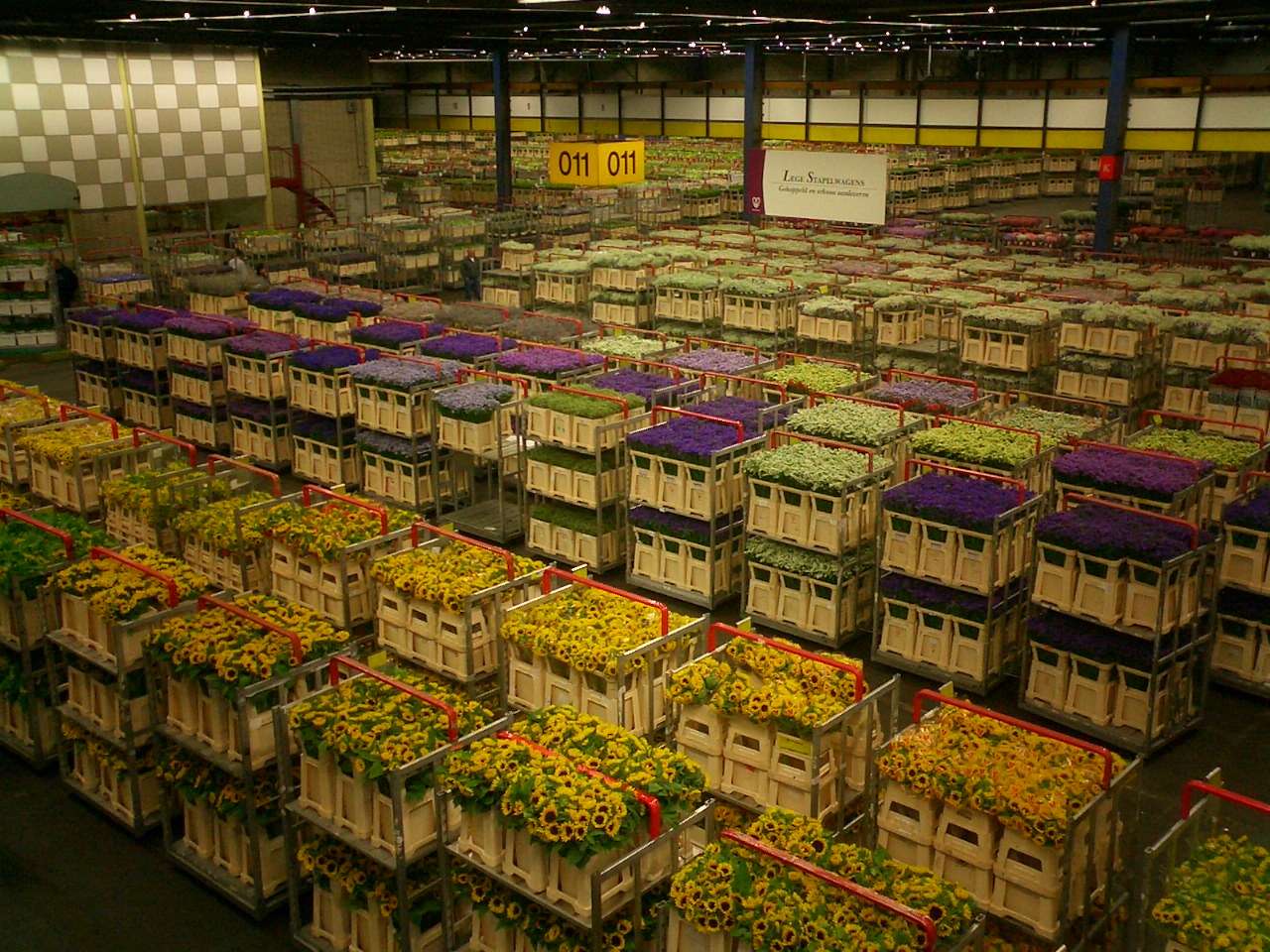
Aalsmeer Flower AuctionBloemenveiling Aalsmeer
The world’s largest flower auction hall in the Netherlands
Aalsmeer, 🇳🇱 Netherlands · Flower market
Place
Aalsmeer Flower AuctionBloemenveiling Aalsmeer
The world’s largest flower auction hall in the Netherlands
Aalsmeer, 🇳🇱 Netherlands · Flower market