
Keukenhof
A vast Dutch flower garden famous for its spring tulip displays
Keukenhof is a large flower garden in Lisse, Netherlands, known for its spring tulip displays. Each year, about 7 million bulbs are planted across 32 hectares, with tulips, hyacinths, daffodils, and more. The park is open to the public for eight weeks from mid-March to mid-May, drawing over a million visitors.
- 7 million flower bulbs are planted each year
- Open to the public only for eight weeks in spring
- Features tulips, hyacinths, daffodils, lilies, and more
- Located in Lisse, in the Dune and Bulb Region of the Netherlands
- Attracts over 1.4 million visitors annually
What is Keukenhof?
Keukenhof is a 32-hectare flower garden in the Dutch town of Lisse. Visitors walk through sweeping beds of tulips, hyacinths, daffodils, lilies, roses, carnations, irises, and orchids. The gardens include winding paths, a walled historical section, a nature garden with shrubs and perennials, and a Japanese-style area. There are also four pavilions with changing floral displays. The park is known for its colourful, carefully arranged bulb plantings that bloom in spring.
The history of Keukenhof
The grounds of Keukenhof were once the kitchen garden for a 15th-century castle, providing food and game for Countess Jacoba van Beieren. In the 17th century, the estate was expanded with a manor house. The landscape was redesigned in the 19th century in the English style by Jan David Zocher and his son. Keukenhof as a public flower garden was established in 1949 by bulb growers and exporters to showcase their flowers and support the Dutch bulb trade. The park opened to the public in 1950.
What there is to see
Each autumn, a team of 40 gardeners plant about 7 million bulbs, donated by over 100 growers. Planting starts in October and finishes by early December. Bulbs are layered so that as one finishes blooming, the next begins, ensuring continuous colour during the eight-week opening. The gardens are planned so that different flowers bloom throughout the spring season.


When to go
Keukenhof is open to the public for eight weeks each spring, from mid-March to mid-May. Visitors come to see the tulip displays at their peak in April. The grounds are also used year-round for private events and festivals, and the castle hosts concerts and fairs. The park is a major tourist attraction, drawing people from around the world.
Parts and collections
Keukenhof features several themed gardens: an English landscape garden with winding paths, a walled historical garden with old bulb varieties, a nature garden mixing bulbs and perennials, and a Japanese country garden. Four pavilions host rotating flower shows, including orchids and lilies. Each year, the displays and themes change.
Why Keukenhof matters
Keukenhof is a symbol of Dutch horticulture and the international flower bulb trade. It is known worldwide for its spring tulip displays and attracts over a million visitors each year. The park was created to promote Dutch bulbs and remains a showcase for growers. Its location in the "Dune and Bulb Region" highlights the area's long history with flower cultivation.
The flowers of Keukenhof
 RoseWoody perennial plants with showy, often fragrant flowers in many colours
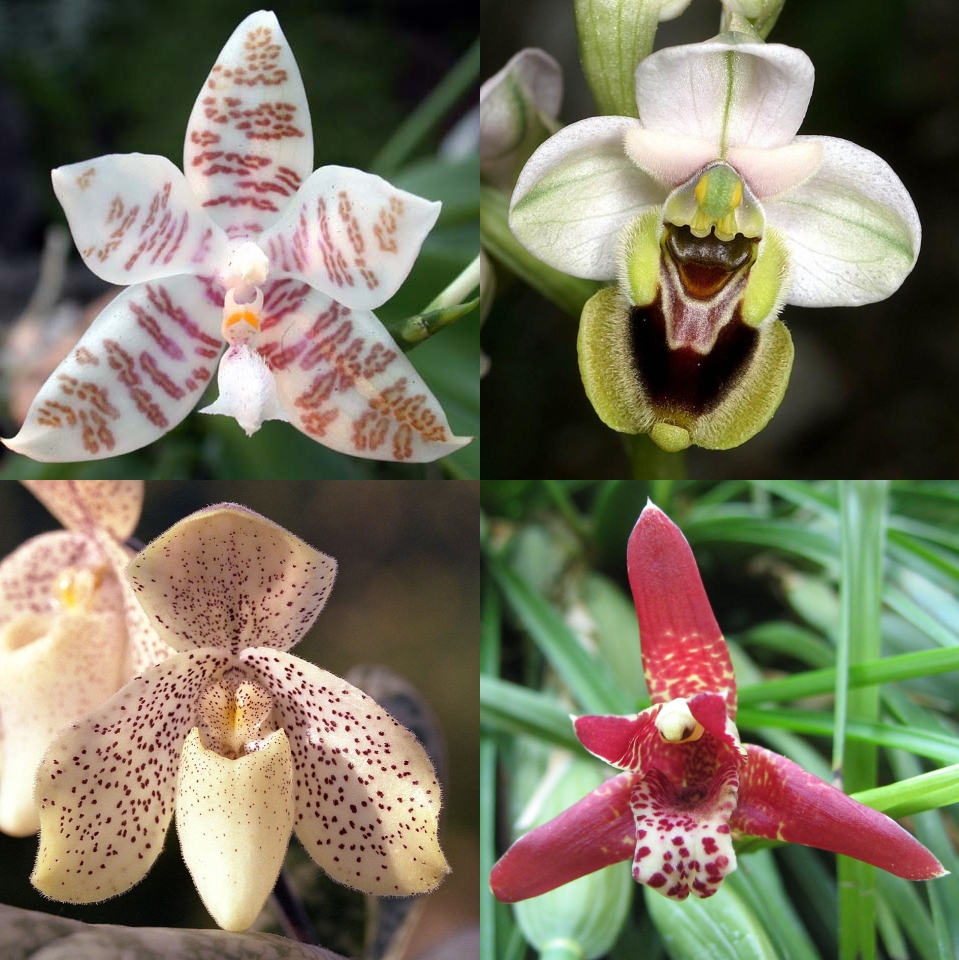 OrchidA vast family of colourful, often fragrant flowers found almost everywhere on earth
 TulipSpring-blooming bulbs with showy, cup-shaped flowers in many colours
 LilyTall bulb flowers with large, colourful blooms in many gardens and cultures
 NarcissusSpring-flowering bulbs with trumpet-shaped blooms in white, yellow, and orange
 DianthusA group of frilled, often pink, flowers grown in gardens and bouquets worldwide
 IrisA large group of perennial flowers with striking, six-lobed bloomsCarnationA fragrant flower with ruffled petals, grown worldwide for decoration and meaning
Traditions that use it
Plan a visit

Questions people ask about Keukenhof
Where is Keukenhof located?
Keukenhof is in Lisse, in the province of South Holland, Netherlands. It is south of Haarlem and southwest of Amsterdam, in an area known as the Dune and Bulb Region.
When can you visit Keukenhof?
Keukenhof is open to the public for about eight weeks each spring, from mid-March to mid-May. The best time to see the tulips in full bloom is usually mid-April, depending on the weather.
What flowers can you see at Keukenhof?
While Keukenhof is famous for its tulips, it also features hyacinths, daffodils, lilies, roses, carnations, irises, and orchids. The displays change each year.
How many people visit Keukenhof each year?
In recent years, Keukenhof has attracted about 1.4 million visitors each season, making it one of the most popular flower gardens in the world.
Why was Keukenhof created?
Keukenhof was established in 1949 by bulb growers and exporters to showcase their flowers and support the Dutch bulb export industry. It opened to the public in 1950.
Good reading and sources
The facts on this page come from the Wikipedia article "Keukenhof", written by its contributors and used under the CC BY-SA 4.0 licence, and from its Wikidata record (CC0). Phool rewrote the text in its own words, with AI assistance, and compares every page with the article to make sure no passage is copied. It may be reused under the same CC BY-SA 4.0 licence with a link back.
It may contain mistakes. Opening times, prices and bloom dates change: check with the place before you travel. If something is wrong, tell us. Last refreshed 2026-10-03.
More of the same kind
 Place
AlhambraLa Alhambra
Medieval palace and fortress complex overlooking Granada, Spain
Granada, 🇪🇸 Spain · Flower garden
Place
AlhambraLa Alhambra
Medieval palace and fortress complex overlooking Granada, Spain
Granada, 🇪🇸 Spain · Flower garden
 Place
Chashme Shahi
A Mughal garden built around a spring in Srinagar, Kashmir
Srinagar, 🇮🇳 India · Flower garden, Mar to Nov
Place
Chashme Shahi
A Mughal garden built around a spring in Srinagar, Kashmir
Srinagar, 🇮🇳 India · Flower garden, Mar to Nov
 Place
Yadavindra Gardens
A 17th-century Mughal garden with seven terraces in Pinjore, Haryana
Panchkula, 🇮🇳 India · Flower garden, Apr to Dec
Place
Yadavindra Gardens
A 17th-century Mughal garden with seven terraces in Pinjore, Haryana
Panchkula, 🇮🇳 India · Flower garden, Apr to Dec
 Place
Shalimar Bagh
A Mughal-era garden of terraces, fountains and chinar trees by Dal Lake, Srinagar
Srinagar, 🇮🇳 India · Flower garden
Place
Shalimar Bagh
A Mughal-era garden of terraces, fountains and chinar trees by Dal Lake, Srinagar
Srinagar, 🇮🇳 India · Flower garden
More from the Netherlands
All the flowers of the Netherlands Place
Anna Paulowna
A Dutch town in North Holland named after a Russian queen
Anna Paulowna, 🇳🇱 Netherlands · Flower garden
Place
Anna Paulowna
A Dutch town in North Holland named after a Russian queen
Anna Paulowna, 🇳🇱 Netherlands · Flower garden
 Place
Vondelpark
Amsterdam’s 47-hectare city park with gardens, ponds, theatre and statues
Amsterdam, 🇳🇱 Netherlands · Flower garden
TulipTulipa
Spring-blooming bulbs with showy, cup-shaped flowers in many colours
🇳🇱 Netherlands and 7 more · Wildflower
Place
Vondelpark
Amsterdam’s 47-hectare city park with gardens, ponds, theatre and statues
Amsterdam, 🇳🇱 Netherlands · Flower garden
TulipTulipa
Spring-blooming bulbs with showy, cup-shaped flowers in many colours
🇳🇱 Netherlands and 7 more · Wildflower
 LindenTilia
Tall, broad-leaved trees with fragrant yellow flowers and heart-shaped leaves
🇨🇳 China and 7 more · Flowering tree
LindenTilia
Tall, broad-leaved trees with fragrant yellow flowers and heart-shaped leaves
🇨🇳 China and 7 more · Flowering tree