
Rose
Rosa, family Rosaceae
Woody perennial plants with showy, often fragrant flowers in many colours
Roses are woody perennial plants of the genus Rosa, known for their large, colourful and often fragrant flowers. Most species come from Asia, but roses also grow wild in Europe, North America, and Northwest Africa, and are now grown worldwide for gardens, cut flowers, perfume, and food.
- Over 300 species and tens of thousands of rose cultivars exist
- Flowers come in white, pink, red, orange, yellow, and purple
- Rose oil and rose water are made from petals for perfume and cooking
- Rose hips are rich in vitamin C and used in jams and teas
- Most roses are native to Asia, with some in Europe and North America
What does Rose look like?
Roses are woody plants that can be shrubs, climbers, or trailing forms, reaching up to 7 metres tall. Their stems often have sharp, hooked prickles. Leaves are usually made up of 5–9 small, serrated leaflets. Flowers vary widely in size and shape, usually with five petals in wild species, but cultivated forms often have many more. Colours range from white and pink to red, orange, yellow, and purple. Many roses are known for their strong, sweet scent, though not all are fragrant.
Where does Rose come from?
Most wild roses come from Asia, with some native to Europe, North America, and Northwest Africa. Roses have been present since at least the Late Eocene, with fossils found in Colorado and early Oligocene Europe. Cultivation began at least by 500 BC in Mediterranean regions, Persia, and China. Modern garden roses largely descend from Chinese species introduced to Europe in the 18th century, especially Rosa chinensis. The name 'rose' comes from Latin, Greek, and Old Persian roots.
When and how Rose blooms
Roses bloom naturally in response to season and climate, with many species flowering in spring or summer. They are grown from seed, cuttings, or by grafting. Wild roses are pollinated by insects and produce berry-like fruits called hips. Many cultivated roses do not set seed and are propagated by human intervention. Roses are grown outdoors in gardens or fields, and cut flower varieties are often raised in greenhouses or under cover for commercial sale.


How Rose is used
Roses are grown for their beauty in gardens and as cut flowers for decoration, gifts, weddings, and funerals. Petals are distilled to make rose oil for perfume and rose water, used in cooking and rituals. Rose hips are rich in vitamin C and used in jams, teas, and syrups. In many cultures, roses are symbols in art, literature, and emblems for cities or countries. Some species are used for hedging or slope stabilization.
Kinds of Rose
There are 140–180 species of roses, divided into four subgenera and many sections based on flower colour and origin. Thousands of cultivars exist, bred for different flower forms, colours, and scents. Some, like damask and centifolia roses, are prized for perfume, while others are grown for their hips or ornamental thorns. Wild species like Rosa rugosa and Rosa canina are valued for their fruit and hardiness.
What Rose means
Roses have deep cultural significance, appearing in myths, literature, and as national or regional emblems. They are symbols of love, beauty, and remembrance in many societies. Roses are featured in festivals, ceremonies, and as motifs in art and design. Their cultivation and breeding have been supported by royalty and gardeners for centuries, and they remain among the most popular ornamental plants worldwide.
Where Rose is used and seen
 GarlandA string or braid of flowers, leaves, or other materials for decoration or ceremony
 VaramalaA flower garland exchanged by bride and groom in Hindu weddings
 AttarTraditional natural perfume oil distilled from flowers, herbs, and spices
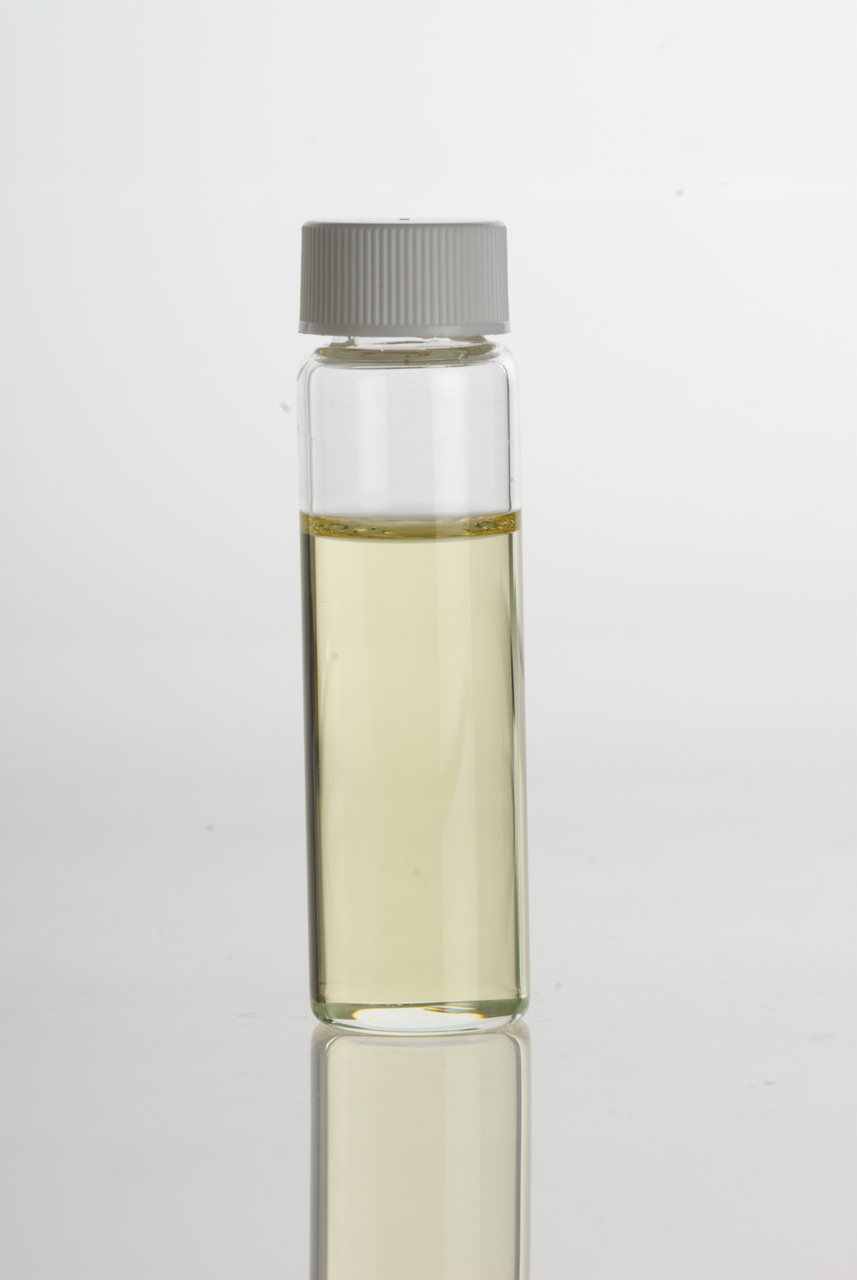 rose oilEssential oil distilled from rose petals, prized in perfume and tradition
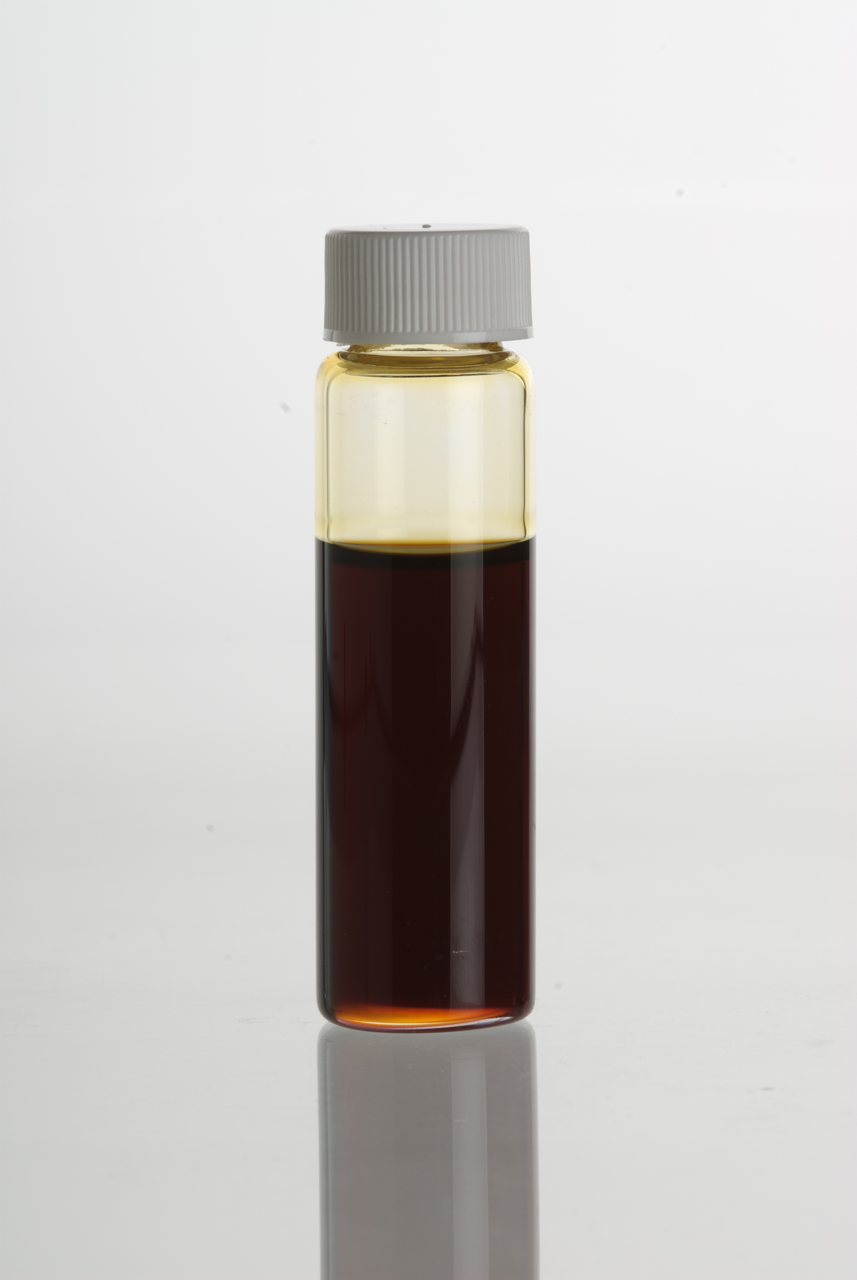 AbsoluteA concentrated aromatic plant extract used in perfumery
 Essential oilFragrant plant oils used for scent, flavour, and traditional remedies
 Concrete (perfumery)A waxy extract from flowers used to make perfume absolutes
 BouquetA creative arrangement of flowers, given or displayed for many occasions
Traditions that use it
Where to see Rose
 🇮🇳 Mumbai · All yearDadar flower market at dawnMumbai's wholesale flower market beside Dadar station, at its busiest before the city has had breakfast.
 🇮🇳 Kolkata · All yearMullick Ghat flower market under Howrah BridgeA crowded riverside flower market on the Hooghly, in the shadow of Howrah Bridge.
 🇮🇳 Bengaluru · All yearKR Market flower hallBengaluru's old city market, where the flower floor is best seen from the stairs above.
 🇮🇳 Chennai · All yearKoyambedu wholesale flower marketThe flower block of Chennai's vast Koyambedu wholesale complex, busiest before sunrise.
 🇮🇳 Madurai · All yearMadurai malli at the Mattuthavani flower marketThe wholesale market that sets the daily price of Madurai malli, the jasmine the city is famous for.
🇮🇳 Delhi · All yearGhazipur phool mandiDelhi's wholesale flower market in the east of the city, where the capital's bouquets and garlands begin.
🇮🇳 Madurai · All yearMadurai malli at the Mattuthavani flower marketThe wholesale market that sets the daily price of Madurai malli, the jasmine the city is famous for.
🇮🇳 Delhi · All yearGhazipur phool mandiDelhi's wholesale flower market in the east of the city, where the capital's bouquets and garlands begin.Questions people ask about Rose
Where do roses come from?
Most wild rose species are native to Asia, but some also grow naturally in Europe, North America, and Northwest Africa. Roses have been cultivated since ancient times in many regions.
What are roses used for?
Roses are grown for gardens, cut flowers, perfume, and food. Their petals are used to make rose oil and rose water, and their hips are eaten or made into jams, teas, and syrups.
What colours do roses come in?
Rose flowers can be white, pink, red, orange, yellow, purple, cream, or multi-coloured, depending on the species or cultivar.
Are all roses fragrant?
Many roses are known for their strong, sweet scent, but not all varieties are fragrant. Some have little or no scent.
What do roses symbolise?
Roses are symbols of love, beauty, and remembrance in many cultures, and are often used in art, literature, and ceremonies.
Good reading and sources
- Encyclopaedia BritannicaArticle
- Rosa L. | Plants of the World OnlineRoyal Botanic Gardens, Kew, Article
- Plants of the World OnlineRoyal Botanic Gardens, Kew, Plant database
- Where it has been recordedGBIF, Plant database
- Sightings and photos by naturalistsiNaturalist, Plant database
The facts on this page come from the Wikipedia article "Rose", written by its contributors and used under the CC BY-SA 4.0 licence, and from its Wikidata record (CC0). Phool rewrote the text in its own words, with AI assistance, and compares every page with the article to make sure no passage is copied. It may be reused under the same CC BY-SA 4.0 licence with a link back.
It may contain mistakes. It is not medical or foraging advice: many flowers are poisonous, and traditional uses are reported, not recommended. If something is wrong, tell us. Last refreshed 2026-10-03.
Others in the family Rosaceae
The whole family PeachPrunus persica
A flowering fruit tree from China, grown for its pink blossoms and sweet fruit
🇨🇳 China and 7 more · Flowering tree
PeachPrunus persica
A flowering fruit tree from China, grown for its pink blossoms and sweet fruit
🇨🇳 China and 7 more · Flowering tree
 AlmondPrunus amygdalus
A Mediterranean tree grown for its fragrant spring flowers and edible seeds
🇮🇷 Iran and 6 more · Flowering tree
AlmondPrunus amygdalus
A Mediterranean tree grown for its fragrant spring flowers and edible seeds
🇮🇷 Iran and 6 more · Flowering tree
 ApricotPrunus armeniaca
A small fruit tree with early white to pink blossoms and golden-orange fruit
🇨🇳 China and 6 more · Flowering tree
ApricotPrunus armeniaca
A small fruit tree with early white to pink blossoms and golden-orange fruit
🇨🇳 China and 6 more · Flowering tree
 Wild cherryPrunus avium
A tall flowering tree native to Europe, grown for its sweet fruit and spring blossom
🇮🇹 Italy and 6 more · Flowering tree
Wild cherryPrunus avium
A tall flowering tree native to Europe, grown for its sweet fruit and spring blossom
🇮🇹 Italy and 6 more · Flowering tree