
Essential oil
Fragrant plant oils used for scent, flavour, and traditional remedies
Essential oils are concentrated, fragrant oils extracted from plants, capturing the scent or 'essence' of the source. They are used for aromatherapy, flavouring, perfumes, and as natural pesticides, but can be toxic if misused or ingested.
- Essential oils are concentrated plant extracts with strong scents.
- They are made by steam distillation, cold pressing, or solvent extraction.
- Used in perfumes, aromatherapy, food flavouring, and as natural pesticides.
- Some essential oils can cause allergic reactions or be toxic if misused.
- Rose, lavender, and eucalyptus are common sources of essential oil.
What is Essential oil?
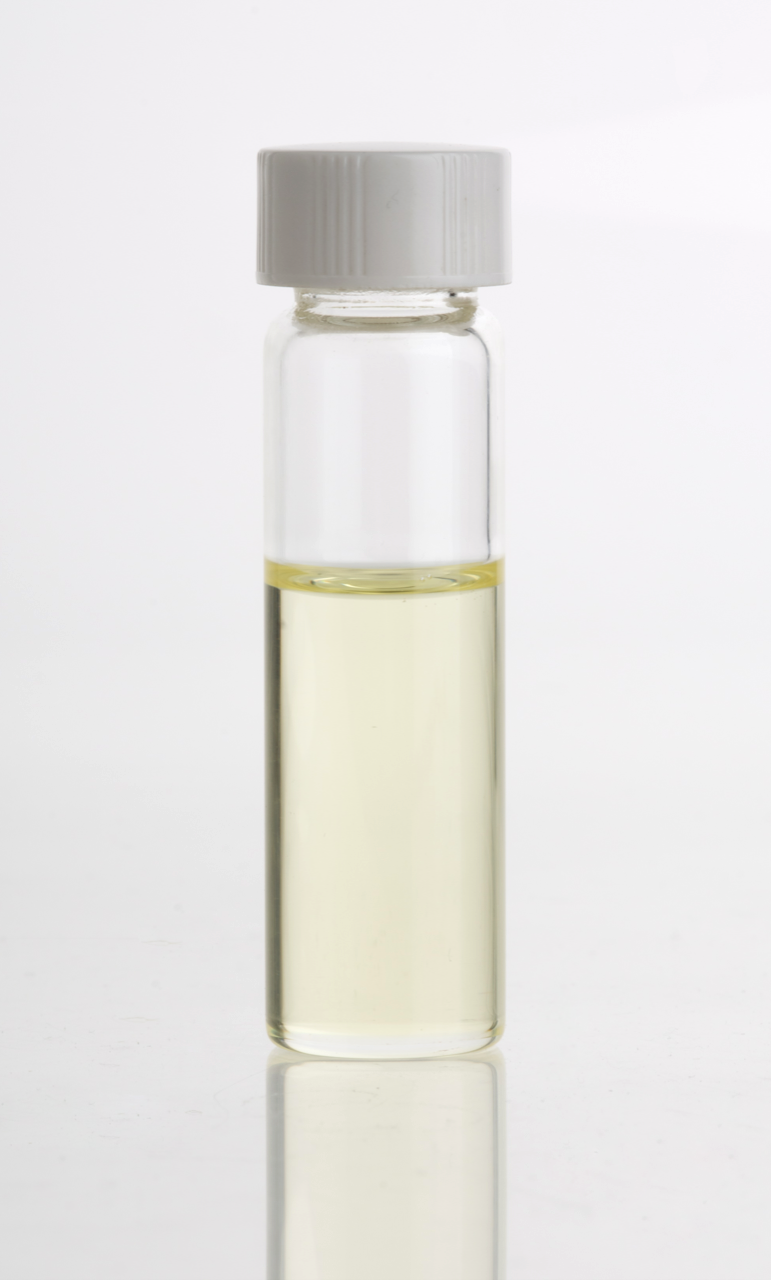
Essential oils are concentrated liquids containing volatile aromatic compounds from plants. They are usually clear or pale in colour and have strong, distinctive scents that reflect the plant they come from, such as rose, lavender, or eucalyptus. These oils are hydrophobic, meaning they do not mix with water, and are stored in small bottles due to their potency. A few drops can scent a room, flavour food, or be used in massage when diluted.
Where does Essential oil come from?
Essential oils are found naturally in the rinds, leaves, flowers, or bark of plants. They have been extracted for centuries, but modern production uses steam distillation, cold pressing (for citrus), or solvent extraction. The term 'essential' refers to the oil carrying the characteristic fragrance of the plant, not to dietary necessity. Many countries, including Peru, India, France, and Australia, produce essential oils from local plants.
How Essential oil is made
To make essential oils, plant material is processed by steam distillation, cold pressing, or solvent extraction. For example, rose oil is made by slowly heating petals with water or using solvents to draw out the aroma. The resulting oil is separated from water or other residues, then bottled. The process and yield depend on the plant and method used.

When and where Essential oil is used
Essential oils are used for their scent in perfumes, home fragrance, and aromatherapy. Some are added to foods and drinks as flavourings, and a few are used as natural pesticides or cleaning agents. In aromatherapy, oils are inhaled or applied to the skin (diluted), but they can cause allergic reactions or be toxic if misused. Some, like eucalyptus and lavender, are used in cleaning or insect repellent products.
Forms of Essential oil
There are many types of essential oils, each from a different plant and with its own scent and properties. For example, rose oil comes from Rosa damascena or Rosa centifolia, while lavender oil is from Lavandula species. The extraction method (steam distillation or solvent extraction) can change the oil’s character. Some plants, like bitter orange, provide several kinds of essential oil from different parts.
What Essential oil means
Essential oils have long been valued for their fragrance and are used in perfumes, traditional remedies, and home care. Some, like rose and lavender, are associated with relaxation or romance, while others, like eucalyptus, are used for cleaning. Their use in aromatherapy is widespread, but safety concerns exist due to possible allergic reactions and toxicity, especially in children and pregnant women.
The flowers of Essential oil


Questions people ask about Essential oil
What are essential oils made from?
Essential oils are made from various parts of plants, such as flowers, leaves, rinds, or bark. The oils capture the distinctive scent and chemical properties of the plant they come from.
How are essential oils produced?
They are produced by steam distillation, cold pressing (mainly for citrus), or solvent extraction. The method depends on the plant and the part used.
Where do essential oils come from?
Essential oils are produced worldwide, with notable production in countries like Peru, India, France, Spain, Australia, and the United States, depending on the plant.
What are essential oils used for?
They are used for fragrance in perfumes, aromatherapy, food and drink flavouring, home cleaning, and as natural pesticides. Some are used in traditional remedies.
Are essential oils safe to use?
Some essential oils can cause allergic reactions, skin irritation, or be toxic if ingested or misused, especially for children and pregnant women. They should be used with care and diluted when applied to the skin.
Good reading and sources
- Essential oil on WikipediaEncyclopedia
- More photos on Wikimedia CommonsPhotos
- Wikidata recordOpen data
The facts on this page come from the Wikipedia article "Essential oil", written by its contributors and used under the CC BY-SA 4.0 licence, and from its Wikidata record (CC0). Phool rewrote the text in its own words, with AI assistance, and compares every page with the article to make sure no passage is copied. It may be reused under the same CC BY-SA 4.0 licence with a link back.
It may contain mistakes. If something is wrong, tell us. Last refreshed 2026-10-03.
More of the same kind
 Decoration
Corn dolly
Straw figures shaped for harvest customs across Europe
🇮🇪 Ireland and 3 more · Flower craft
Decoration
Corn dolly
Straw figures shaped for harvest customs across Europe
🇮🇪 Ireland and 3 more · Flower craft
 Decoration
Paisleyبته
A curved teardrop motif from Iran and India, now used worldwide on textiles
🇮🇷 Iran and 8 more · Art or design
Decoration
Paisleyبته
A curved teardrop motif from Iran and India, now used worldwide on textiles
🇮🇷 Iran and 8 more · Art or design
 Decoration
Butaبوته
A curved floral motif found in Persian, Indian, and Central Asian art and textiles
🇮🇷 Iran and 5 more · Art or design
Decoration
Butaبوته
A curved floral motif found in Persian, Indian, and Central Asian art and textiles
🇮🇷 Iran and 5 more · Art or design
 Decoration
Vase
An open container for holding and displaying cut flowers
Arrangement
Decoration
Vase
An open container for holding and displaying cut flowers
Arrangement
More from Peru
All the flowers of Peru Decoration
Floral design
The art of arranging flowers and plant materials into decorative displays
🇪🇬 Egypt and 7 more · Arrangement
Decoration
Floral design
The art of arranging flowers and plant materials into decorative displays
🇪🇬 Egypt and 7 more · Arrangement
 CactusCactaceae
Succulent plants with spines, native to the Americas
🇲🇽 Mexico and 7 more · Wildflower
CactusCactaceae
Succulent plants with spines, native to the Americas
🇲🇽 Mexico and 7 more · Wildflower
 Thorn-appleDatura stramonium
A poisonous, night-blooming plant with trumpet-shaped white or violet flowers
🇨🇳 China and 7 more · Wildflower
Thorn-appleDatura stramonium
A poisonous, night-blooming plant with trumpet-shaped white or violet flowers
🇨🇳 China and 7 more · Wildflower
 PoinsettiaEuphorbia pulcherrima
The red-bracted shrub of Christmas displays, native to Mexico and Central America
🇲🇽 Mexico and 8 more · Wildflower
PoinsettiaEuphorbia pulcherrima
The red-bracted shrub of Christmas displays, native to Mexico and Central America
🇲🇽 Mexico and 8 more · Wildflower