
Cactus
Cactaceae, family Cactaceae
Succulent plants with spines, native to the Americas
Cacti are a family of succulent plants known for their fleshy, water-storing stems and spines instead of leaves. Native mainly to the Americas, they range from tiny globes to tall, tree-like forms and are adapted to dry environments. People grow cacti as ornamentals, for food, and for animal fodder.
- Cacti are native to the Americas, from Patagonia to western Canada.
- Most cacti have spines instead of leaves and store water in their stems.
- There are about 1,750 species of cacti in 127 genera.
- Some cacti, like the saguaro, can reach over 19 meters tall.
- Cacti are used for food, animal fodder, and as ornamental plants.
What does Cactus look like?
Cacti come in many shapes and sizes, from small round plants to tall, branching columns and even tree-like forms. Most have thick, fleshy stems that store water, and are covered with spines instead of leaves. Their stems are often ribbed or fluted, and can be green, bluish, or brownish. Flowers grow from special spots called areoles, and are usually tubular with many petals. Some cacti have visible leaves, but most do not.
Where does Cactus come from?
Cacti are native to the Americas, found from the southern tip of South America (Patagonia) all the way to western Canada. They have adapted to survive in very dry places like deserts, especially the Atacama Desert. The family name comes from the Greek word 'kaktos,' used by Theophrastus for a spiny plant. Most cacti evolved to store water in their stems and reduce water loss, which helped them spread across arid regions.
When and how Cactus blooms
Cacti grow in areas with short rainy seasons and long dry spells. They quickly absorb water through shallow, wide root systems when it rains, and store it in their stems. Most are grown from seeds, but some can be propagated from cuttings. Their spines come from areoles, and flowers also emerge from these spots. Some cacti grow as epiphytes on trees in tropical forests, while others form dense mounds or climb.


How Cactus is used
People grow cacti as ornamental plants in gardens and homes, especially for their unusual forms and flowers. Some species are used for food, particularly their fruits, and others are grown as animal fodder. The cochineal insect, which lives on some cacti, is used to produce a red dye. Cacti are also used in traditional medicine in some cultures.
Kinds of Cactus
There are about 1,750 species of cacti, divided into groups like opuntias (prickly pears) and cactoids. Some, like saguaro and Pachycereus, grow tall and tree-like, while others, such as Mammillaria, are small and globular. A few, like Pereskia and Leuenbergeria, have leaves and look more like regular shrubs or trees. Epiphytic cacti, such as Schlumbergera, have flattened stems and few spines.
What Cactus means
Cacti are symbols of arid landscapes and are often used as emblems in regions like Mexico. They are popular in gardens for their drought resistance and striking appearance. Some cacti, like the saguaro, are iconic in art and media. The family includes species important for food, dye, and traditional uses. Cacti are sometimes confused with other spiny succulents, but true cacti have unique areoles.
Where Cactus is used and seen
 Parc floral de ParisA botanical garden and flower park in the Bois de Vincennes, Paris
 Domaine du RayolA botanical garden by the sea in southern France with plants from five continents
 Flor og FjæreTropical-inspired gardens and restaurant on Sør-Hidle island, Norway
 Anza-Borrego Desert State ParkCalifornia’s largest state park, famous for spring wildflower blooms and desert landscapes
 San Diego Botanic GardenA 37-acre garden in Encinitas with global plant collections and rare bamboos
 Bogotá Botanical GardenColombia’s largest botanical garden, focused on Andean and Páramo plants
 Nong Nooch Tropical Botanical GardenA vast tropical garden and plant collection near Pattaya, Thailand
 Orman GardenA historic botanical garden in Giza with a spring flower festival
Questions people ask about Cactus
Where do cacti come from?
Cacti are native to the Americas, growing wild from Patagonia in South America up to parts of western Canada in North America. Only one species is also found outside the Americas.
What makes a cactus different from other plants?
Cacti have fleshy stems that store water and are covered with spines instead of leaves. They have special structures called areoles, from which both spines and flowers grow.
What are cacti used for?
Cacti are grown as ornamental plants, for their edible fruits, and as fodder for animals. Some are used in traditional medicine, and the cochineal insect that lives on certain cacti is used to make red dye.
How big can cacti get?
Cacti vary greatly in size. The tallest free-standing cactus, Pachycereus pringlei, can reach 19.2 meters, while the smallest, Blossfeldia liliputiana, is only about 1 cm across.
Do all cacti have spines?
Most cacti have spines, but a few, such as some epiphytic forest cacti and species like Pereskia, have leaves and may have fewer or no spines.
Good reading and sources
- Encyclopaedia BritannicaArticle
- Windstorm Fells 78-Foot Cactus--Tallest in WorldLos Angeles Times, Article
- Plants of the World OnlineRoyal Botanic Gardens, Kew, Plant database
- Where it has been recordedGBIF, Plant database
- Sightings and photos by naturalistsiNaturalist, Plant database
The facts on this page come from the Wikipedia article "Cactus", written by its contributors and used under the CC BY-SA 4.0 licence, and from its Wikidata record (CC0). Phool rewrote the text in its own words, with AI assistance, and compares every page with the article to make sure no passage is copied. It may be reused under the same CC BY-SA 4.0 licence with a link back.
It may contain mistakes. It is not medical or foraging advice: many flowers are poisonous, and traditional uses are reported, not recommended. If something is wrong, tell us. Last refreshed 2026-10-03.
Others in the family Cactaceae
The whole family Prickly pearOpuntia
Cactus with flat pads and edible fruit, native to the Americas
🇲🇽 Mexico and 7 more · Wildflower
Indian fig opuntiaOpuntia ficus-indica
A large, spiny cactus grown for its sweet fruit and edible pads
🇲🇽 Mexico and 7 more · Wildflower
Prickly pearOpuntia
Cactus with flat pads and edible fruit, native to the Americas
🇲🇽 Mexico and 7 more · Wildflower
Indian fig opuntiaOpuntia ficus-indica
A large, spiny cactus grown for its sweet fruit and edible pads
🇲🇽 Mexico and 7 more · Wildflower
 Epiphyllum
Night-blooming cactus with broad, flat stems and large flowers
Epiphyllum · Wildflower
Epiphyllum
Night-blooming cactus with broad, flat stems and large flowers
Epiphyllum · Wildflower
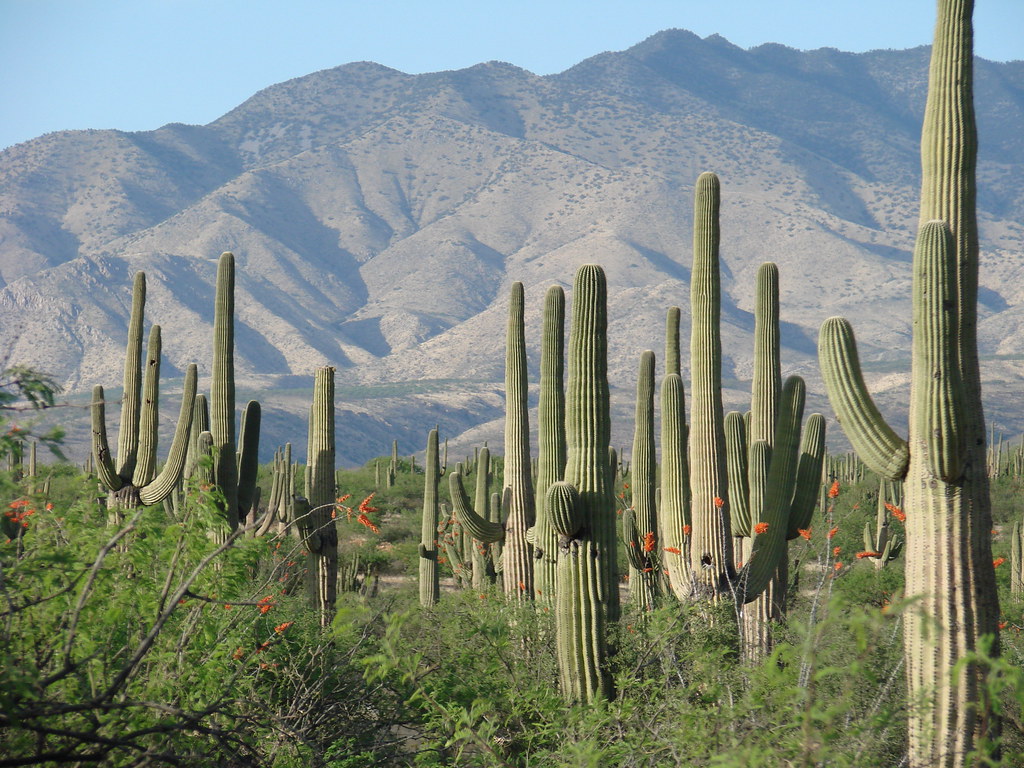 SaguaroCarnegiea gigantea
The towering cactus of the Sonoran Desert with white flowers and red fruit
🇺🇸 United States and 1 more · Wildflower
SaguaroCarnegiea gigantea
The towering cactus of the Sonoran Desert with white flowers and red fruit
🇺🇸 United States and 1 more · Wildflower
More from Mexico
All the flowers of Mexico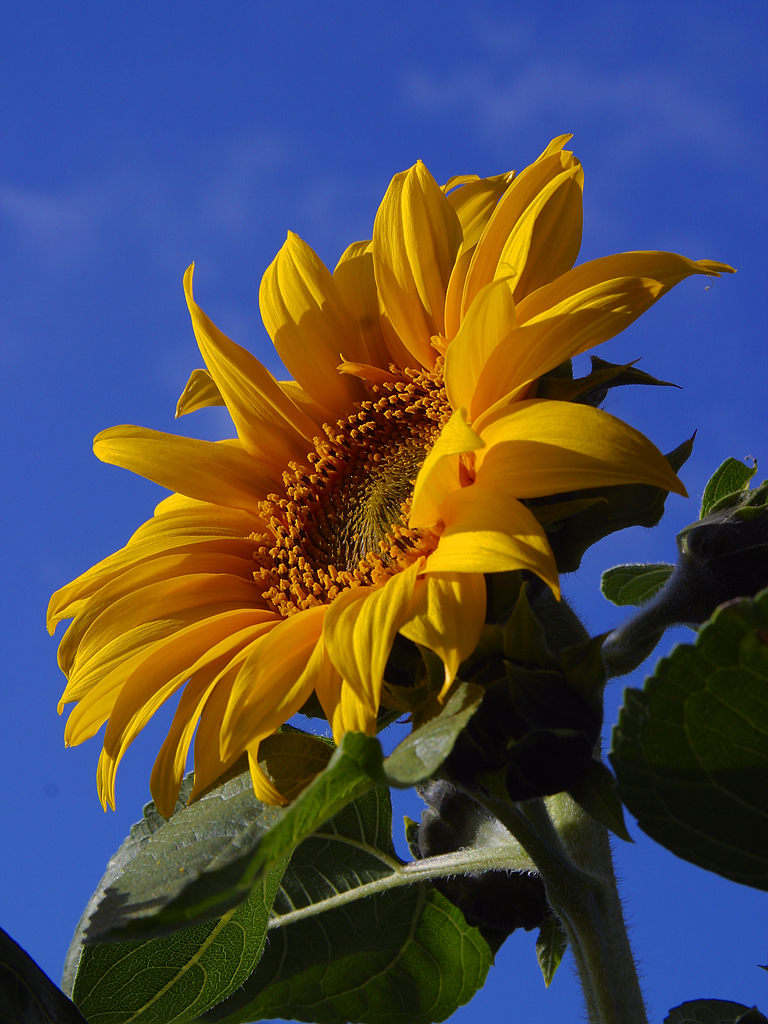 Common sunflowerHelianthus annuus
A tall annual plant grown for its large yellow flower heads and edible seeds
🇨🇦 Canada and 4 more · Wildflower
Common sunflowerHelianthus annuus
A tall annual plant grown for its large yellow flower heads and edible seeds
🇨🇦 Canada and 4 more · Wildflower
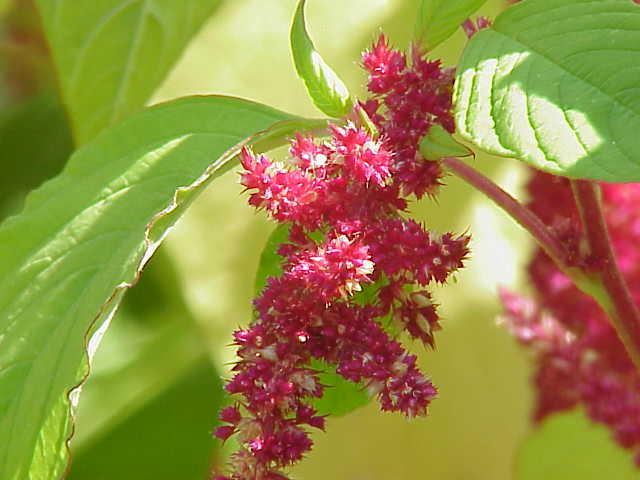 AmaranthAmaranthus
A tall, colourful plant grown for its flowers, leaves and edible seeds
🇲🇽 Mexico and 7 more · Wildflower
AmaranthAmaranthus
A tall, colourful plant grown for its flowers, leaves and edible seeds
🇲🇽 Mexico and 7 more · Wildflower
 HawthornCrataegus
A thorny shrub or tree with white or pink spring flowers and small edible fruits
🇮🇪 Ireland and 7 more · Wildflower
HawthornCrataegus
A thorny shrub or tree with white or pink spring flowers and small edible fruits
🇮🇪 Ireland and 7 more · Wildflower
 Dahlia
A bushy perennial with tuberous roots and bright, star-shaped blooms
🇲🇽 Mexico and 1 more · Garden flower
Dahlia
A bushy perennial with tuberous roots and bright, star-shaped blooms
🇲🇽 Mexico and 1 more · Garden flower