
Indian fig opuntia
Opuntia ficus-indica, family Cactaceae
A large, spiny cactus grown for its sweet fruit and edible pads
Indian fig opuntia is a tall, shrubby cactus with thick, flat pads and colorful flowers, best known for its sweet, juicy fruit called prickly pear. Native to central Mexico, it is now grown in dry regions worldwide for food, fodder, and as a symbol in culture and emblems.
- The fruit, called prickly pear, is sweet and eaten raw or in jams.
- Native to central Mexico, now grown in dry regions worldwide.
- Pads (nopalitos) are cooked and eaten as a vegetable.
- Appears on the Mexican flag and is Texas's official plant.
- Used for animal fodder, dye, and erosion control.
What does Indian fig opuntia look like?
Indian fig opuntia is a perennial cactus that can reach up to 5 meters tall. It has thick, flat, oval pads called cladodes, covered in a waxy layer that reflects sun and repels water. The plant produces large flowers in white, yellow, or red, which develop into oval fruits with a thick skin and juicy, sweet flesh that ranges from pale green to deep red. The pads are also edible and are used as a vegetable.
Where does Indian fig opuntia come from?
Opuntia ficus-indica likely originated in central Mexico, where its closest wild relatives are found. It was domesticated by indigenous peoples and spread throughout the Americas before European contact. After the arrival of Europeans, it was introduced to the Mediterranean and other arid regions, where it became naturalized and widely cultivated. Its fruits and pads have been used for centuries for food, dye, and as animal fodder.
When and how Indian fig opuntia blooms
The cactus flowers from early May through early summer in the northern hemisphere, with fruit ripening from August to October. It thrives in sandy, well-drained soils with low rainfall and high temperatures, making it ideal for dry climates. The fruits and pads are harvested by hand, with spines removed before eating. Spineless varieties are preferred for fodder, while both wild and cultivated forms are used for food.


How Indian fig opuntia is used
People eat the sweet fruits raw, chilled, or made into jams, jellies, and drinks. The young pads, called nopalitos, are cooked as a vegetable in Mexican cuisine. The plant is also used as cattle fodder, especially in drought-prone regions, and as a living fence or erosion control. It serves as a host for cochineal insects, which produce red and purple dyes. In some places, it is used in religious offerings and as a cultural symbol.
Kinds of Indian fig opuntia
There are many cultivated forms, including spineless types grown for fodder and varieties selected for fruit size, color, and seed content. In Mexico, Italy, and Malta, local cultivars are used for food and drink, such as the liqueurs ficodi and bajtra. The plant can hybridize with other Opuntia species, leading to a range of fruit colors and pad shapes.
What Indian fig opuntia means
The prickly pear is a national symbol of Mexico, appearing on its coat of arms and flag. It is also the official plant of Texas and a symbol in Israeli and Palestinian culture, where the term 'sabra' refers both to the plant and to native-born Israelis. The plant has been used in traditional medicine and as a source of dye since pre-Columbian times. In the Mediterranean, it is valued for preventing soil erosion and supporting local wildlife.
Questions people ask about Indian fig opuntia
Where does Indian fig opuntia come from?
Indian fig opuntia was first domesticated in central Mexico, where its wild relatives are found. It spread throughout the Americas before European contact and is now grown in many dry regions worldwide.
What is Indian fig opuntia used for?
It is mainly grown for its sweet fruit, called prickly pear, and its edible pads, known as nopalitos. The plant is also used as animal fodder, for making dyes, and as a living fence or erosion control.
What does the plant look like?
It is a tall, shrubby cactus with thick, flat pads and large flowers in white, yellow, or red. The fruits are oval with a thick skin and juicy, colorful flesh.
Is Indian fig opuntia important in any culture?
Yes, it is a national symbol of Mexico, shown on the flag and coat of arms. It is also the official plant of Texas and a symbol in Israeli and Palestinian culture.
How is the fruit prepared and eaten?
The fruit is harvested by hand, with spines removed before peeling. It is usually eaten raw after chilling, or made into jams, jellies, and drinks.
Good reading and sources
- Encyclopaedia BritannicaArticle
- IUCN Red List of Threatened SpeciesIUCN Red List, Article
- Plants of the World OnlineRoyal Botanic Gardens, Kew, Plant database
- Where it has been recordedGBIF, Plant database
- Sightings and photos by naturalistsiNaturalist, Plant database
- Opuntia ficus-indica on WikipediaEncyclopedia
- More photos on Wikimedia CommonsPhotos
- Wikidata recordOpen data
The facts on this page come from the Wikipedia article "Opuntia ficus-indica", written by its contributors and used under the CC BY-SA 4.0 licence, and from its Wikidata record (CC0). Phool rewrote the text in its own words, with AI assistance, and compares every page with the article to make sure no passage is copied. It may be reused under the same CC BY-SA 4.0 licence with a link back.
It may contain mistakes. It is not medical or foraging advice: many flowers are poisonous, and traditional uses are reported, not recommended. If something is wrong, tell us. Last refreshed 2026-10-03.
Others in the family Cactaceae
The whole family Prickly pearOpuntia
Cactus with flat pads and edible fruit, native to the Americas
🇲🇽 Mexico and 7 more · Wildflower
Prickly pearOpuntia
Cactus with flat pads and edible fruit, native to the Americas
🇲🇽 Mexico and 7 more · Wildflower
 Epiphyllum
Night-blooming cactus with broad, flat stems and large flowers
Epiphyllum · Wildflower
Epiphyllum
Night-blooming cactus with broad, flat stems and large flowers
Epiphyllum · Wildflower
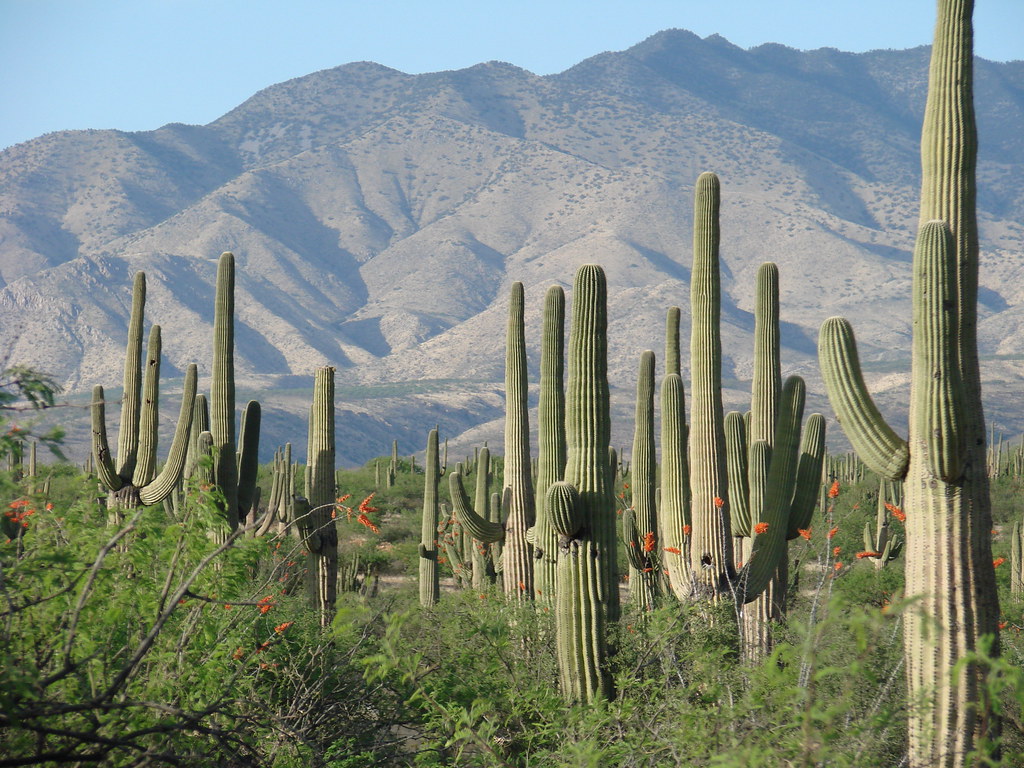 SaguaroCarnegiea gigantea
The towering cactus of the Sonoran Desert with white flowers and red fruit
🇺🇸 United States and 1 more · Wildflower
SaguaroCarnegiea gigantea
The towering cactus of the Sonoran Desert with white flowers and red fruit
🇺🇸 United States and 1 more · Wildflower
 Dutchman's pipe cactusEpiphyllum oxypetalum
A night-blooming cactus with large, fragrant white flowers
🇲🇽 Mexico and 7 more · Wildflower
Dutchman's pipe cactusEpiphyllum oxypetalum
A night-blooming cactus with large, fragrant white flowers
🇲🇽 Mexico and 7 more · Wildflower
More from Mexico
All the flowers of Mexico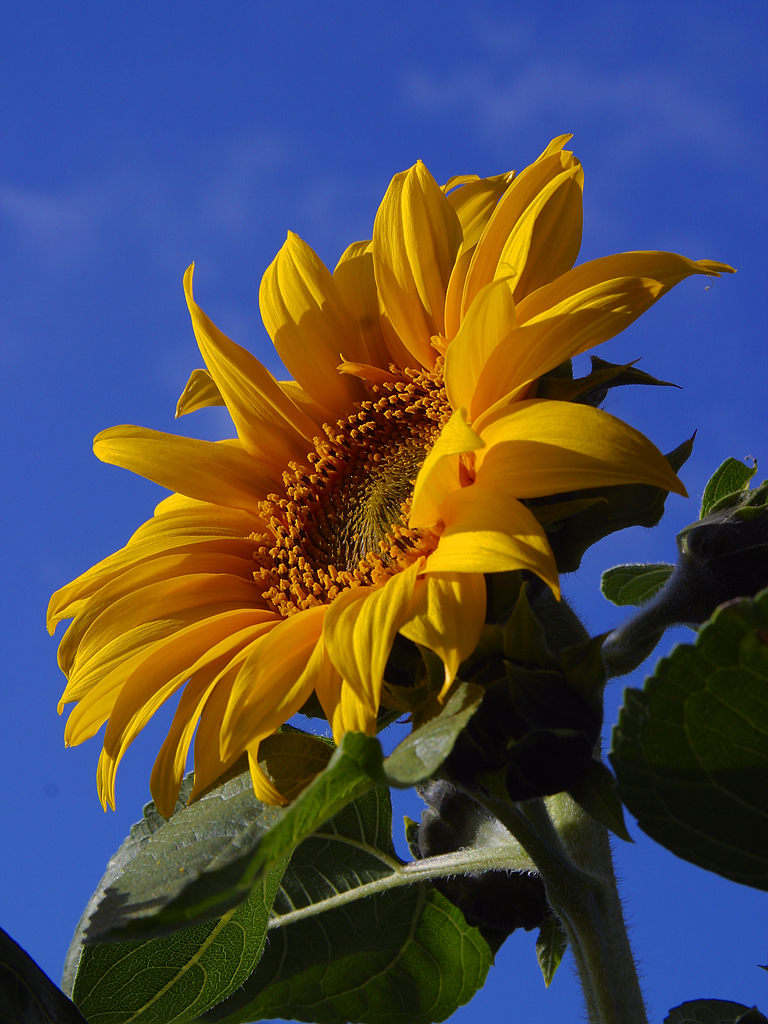 Common sunflowerHelianthus annuus
A tall annual plant grown for its large yellow flower heads and edible seeds
🇨🇦 Canada and 4 more · Wildflower
Common sunflowerHelianthus annuus
A tall annual plant grown for its large yellow flower heads and edible seeds
🇨🇦 Canada and 4 more · Wildflower
 CactusCactaceae
Succulent plants with spines, native to the Americas
🇲🇽 Mexico and 7 more · Wildflower
CactusCactaceae
Succulent plants with spines, native to the Americas
🇲🇽 Mexico and 7 more · Wildflower
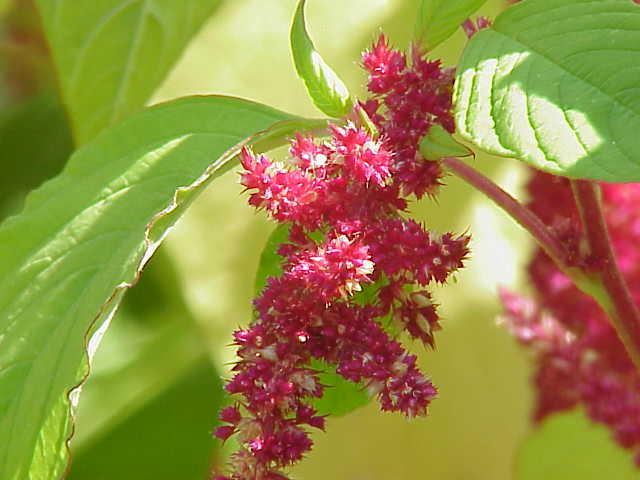 AmaranthAmaranthus
A tall, colourful plant grown for its flowers, leaves and edible seeds
🇲🇽 Mexico and 7 more · Wildflower
AmaranthAmaranthus
A tall, colourful plant grown for its flowers, leaves and edible seeds
🇲🇽 Mexico and 7 more · Wildflower
 HawthornCrataegus
A thorny shrub or tree with white or pink spring flowers and small edible fruits
🇮🇪 Ireland and 7 more · Wildflower
HawthornCrataegus
A thorny shrub or tree with white or pink spring flowers and small edible fruits
🇮🇪 Ireland and 7 more · Wildflower