
Prickly pear
Opuntia, family Cactaceae
Cactus with flat pads and edible fruit, native to the Americas
Prickly pear is a group of cacti with flat, rounded pads and large, showy flowers, best known for their edible fruit. Native to the Americas, especially Mexico and the United States, these cacti have spread to many parts of the world and are grown for food, dye, and as ornamentals.
- Domesticated in central Mexico 8,000–9,000 years ago
- Edible pads (nopales) and fruit (tuna) are staple foods in Mexico
- Introduced to Europe, Africa, and Australia, sometimes becoming invasive
- Flowers are large and showy, in yellow, orange, or red
- Key food for Galápagos giant tortoises
What does Prickly pear look like?
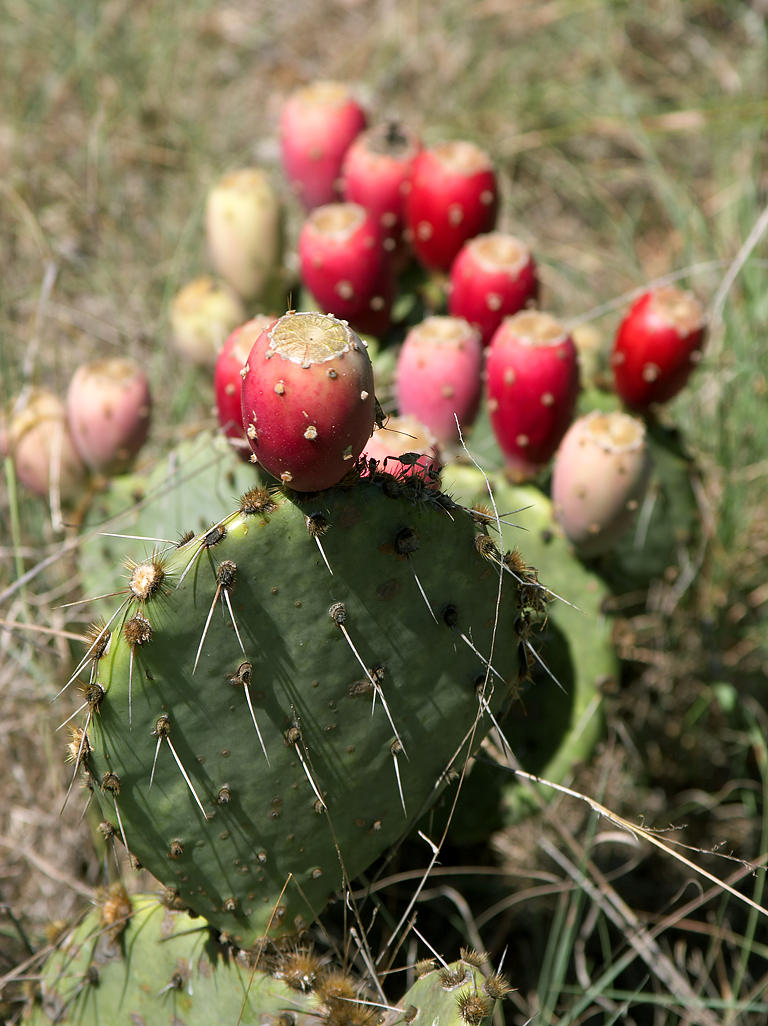
Prickly pear cacti have flat, rounded pads called cladodes, which are green to blue-green and may have spines or be spineless. The pads are joined in segments and can form shrubs or small trees. Their flowers are large, usually solitary, and come in bright colors such as yellow, orange, or red. The fruit, known as 'tuna,' is a fleshy berry that can be red, green, or yellow-orange, and is covered with small prickles called glochids.
Where does Prickly pear come from?
Opuntia is native to the Americas, with the highest diversity in Mexico and the United States. These cacti have been part of human life for thousands of years, with evidence of domestication in central Mexico 8,000 to 9,000 years ago. The genus was named after the ancient Greek city of Opus. Prickly pears were introduced to Europe in the 16th century and later to Africa, Australia, and the Mediterranean, where they have sometimes become invasive.
When and how Prickly pear blooms
Prickly pears thrive in arid and semi-arid climates with mild winters and hot summers. They grow in well-drained soils, often on slopes or sandy areas. The plants are propagated from pads or seeds and spread naturally through animals that eat the fruit and disperse the seeds. Flowers are pollinated mainly by bees, and the fruit matures after flowering.



How Prickly pear is used
The pads (nopales) and fruit (tuna) of prickly pear are widely eaten, especially in Mexico and the Mediterranean. The fruit is used fresh or to make drinks like aguas frescas, and the plant has also been used for natural dyes. In some regions, prickly pear is grown as an ornamental or for agricultural fencing. However, in places like Australia and South Africa, it is considered an invasive weed.
Kinds of Prickly pear
The genus Opuntia includes many species and hybrids, with forms ranging from low shrubs to tree-like cacti. Notable types include Opuntia ficus-indica, the common 'Barbary fig,' and O. galapageia from the Galápagos. Hybridization and polyploidy are common, making classification complex. Some species, like O. stricta, are especially invasive outside their native range.
What Prickly pear means
Prickly pear is important in Mexican culture for food and symbolism, and is a staple in local diets. In the Galápagos, it is a key food source for giant tortoises. The plant has been used to produce cochineal dye and is sometimes an emblem of regions where it grows. Its spread and control have shaped agricultural history in places like Australia.
Where to see Prickly pear

Questions people ask about Prickly pear
Where does prickly pear come from?
Prickly pear cacti are native to the Americas, especially Mexico and the United States, but have been introduced to many other parts of the world, including Europe, Africa, and Australia.
What is prickly pear used for?
The pads (nopales) and fruit (tuna) are eaten in many countries, especially Mexico. The plant is also used for natural dyes, as an ornamental, and for agricultural fencing. In some places, it is considered invasive.
What does the prickly pear flower look like?
Prickly pear flowers are large, usually solitary, and come in bright colors such as yellow, orange, or red. They grow from the pads of the cactus.
Why is prickly pear considered invasive in some countries?
In places like Australia and South Africa, prickly pear cacti spread rapidly and form dense thickets, displacing native plants and making land unusable for farming.
What does prickly pear symbolize?
In Mexico, prickly pear is an important cultural symbol and staple food. In the Galápagos, it is vital for local wildlife, especially giant tortoises.
Good reading and sources
- Encyclopaedia BritannicaArticle
- The remarkable power of the prickly pearBBC, Article
- USDA Plants DatabaseUS Department of Agriculture, Article
- Plants of the World OnlineRoyal Botanic Gardens, Kew, Plant database
- Where it has been recordedGBIF, Plant database
- Sightings and photos by naturalistsiNaturalist, Plant database
The facts on this page come from the Wikipedia article "Opuntia", written by its contributors and used under the CC BY-SA 4.0 licence, and from its Wikidata record (CC0). Phool rewrote the text in its own words, with AI assistance, and compares every page with the article to make sure no passage is copied. It may be reused under the same CC BY-SA 4.0 licence with a link back.
It may contain mistakes. It is not medical or foraging advice: many flowers are poisonous, and traditional uses are reported, not recommended. If something is wrong, tell us. Last refreshed 2026-10-03.
Others in the family Cactaceae
The whole family Indian fig opuntiaOpuntia ficus-indica
A large, spiny cactus grown for its sweet fruit and edible pads
🇲🇽 Mexico and 7 more · Wildflower
Indian fig opuntiaOpuntia ficus-indica
A large, spiny cactus grown for its sweet fruit and edible pads
🇲🇽 Mexico and 7 more · Wildflower
 Epiphyllum
Night-blooming cactus with broad, flat stems and large flowers
Epiphyllum · Wildflower
Epiphyllum
Night-blooming cactus with broad, flat stems and large flowers
Epiphyllum · Wildflower
 SaguaroCarnegiea gigantea
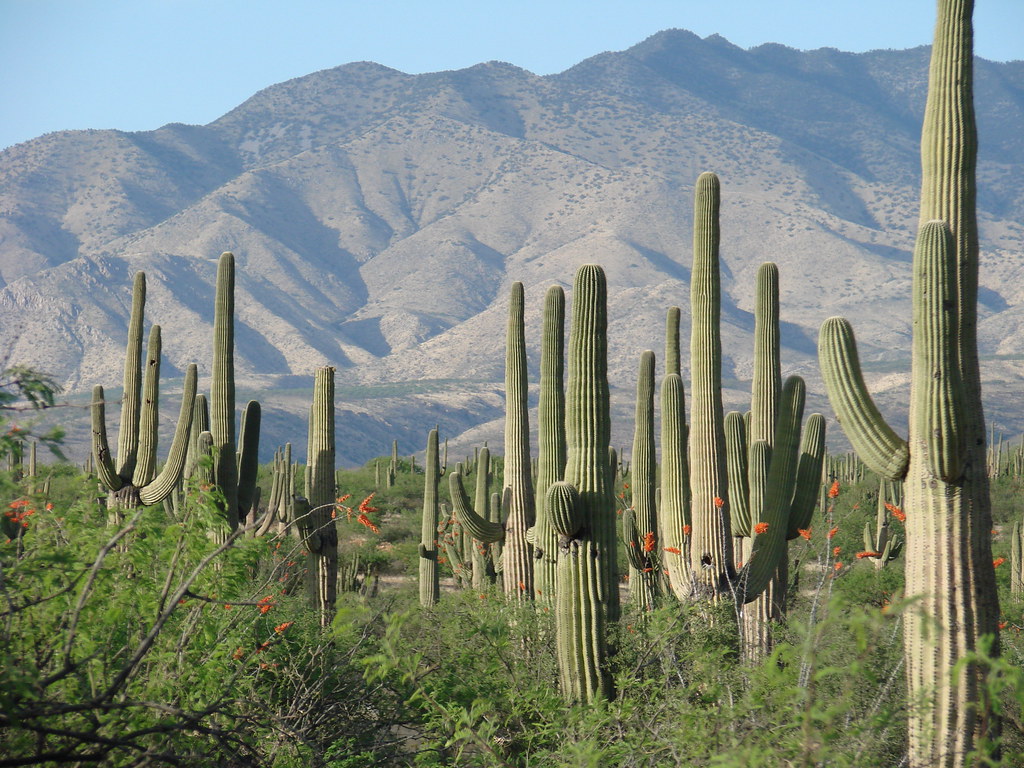
The towering cactus of the Sonoran Desert with white flowers and red fruit
🇺🇸 United States and 1 more · Wildflower
SaguaroCarnegiea gigantea
The towering cactus of the Sonoran Desert with white flowers and red fruit
🇺🇸 United States and 1 more · Wildflower
 Dutchman's pipe cactusEpiphyllum oxypetalum
A night-blooming cactus with large, fragrant white flowers
🇲🇽 Mexico and 7 more · Wildflower
Dutchman's pipe cactusEpiphyllum oxypetalum
A night-blooming cactus with large, fragrant white flowers
🇲🇽 Mexico and 7 more · Wildflower
More from Mexico
All the flowers of Mexico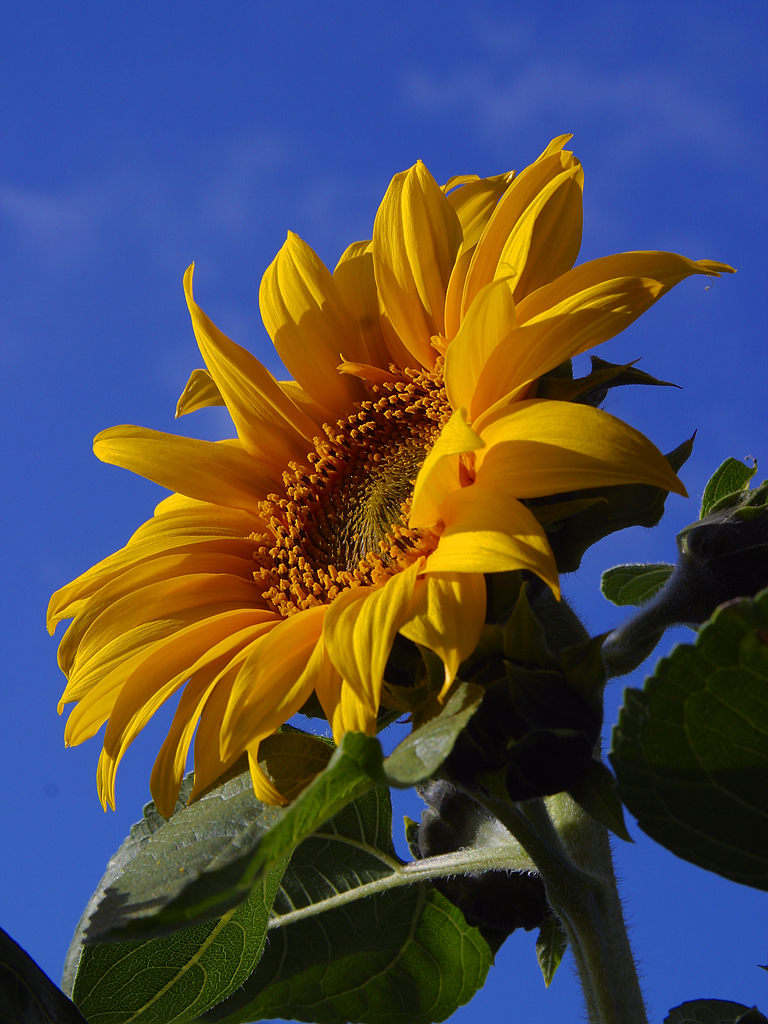 Common sunflowerHelianthus annuus
A tall annual plant grown for its large yellow flower heads and edible seeds
🇨🇦 Canada and 4 more · Wildflower
Common sunflowerHelianthus annuus
A tall annual plant grown for its large yellow flower heads and edible seeds
🇨🇦 Canada and 4 more · Wildflower
 CactusCactaceae
Succulent plants with spines, native to the Americas
🇲🇽 Mexico and 7 more · Wildflower
CactusCactaceae
Succulent plants with spines, native to the Americas
🇲🇽 Mexico and 7 more · Wildflower
 AmaranthAmaranthus
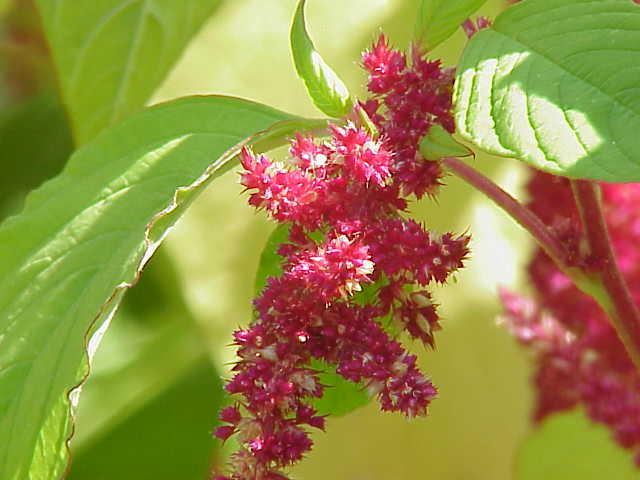
A tall, colourful plant grown for its flowers, leaves and edible seeds
🇲🇽 Mexico and 7 more · Wildflower
AmaranthAmaranthus
A tall, colourful plant grown for its flowers, leaves and edible seeds
🇲🇽 Mexico and 7 more · Wildflower
 HawthornCrataegus
A thorny shrub or tree with white or pink spring flowers and small edible fruits
🇮🇪 Ireland and 7 more · Wildflower
HawthornCrataegus
A thorny shrub or tree with white or pink spring flowers and small edible fruits
🇮🇪 Ireland and 7 more · Wildflower