
Dahlia
A bushy perennial with tuberous roots and bright, star-shaped blooms
Dahlia is a genus of perennial plants with tuberous roots, native to Mexico and Central America. Its flowers appear in nearly every color except blue and come in many shapes and sizes, making them popular garden plants. Dahlias are grown for their showy blooms and are not frost hardy.
- Native to Mexico and Central America
- Flowers come in nearly every color except blue
- Grown from tuberous roots and not frost hardy
- Most dahlias have no scent
- Popular as garden and cut flowers
What does Dahlia look like?
Dahlias are bushy, perennial plants with tuberous roots. They can grow from about 30 cm up to 2.4 meters tall. The stems are leafy, and the flower heads, called capitula, are made up of many small florets arranged in a central disc with petal-like rays. Blooms vary widely in size, from small 5 cm flowers to large 'dinner plate' types up to 30 cm across. Dahlias display almost every color except blue, and most have no scent.
Where does Dahlia come from?
Dahlias are native to Mexico and Central America, where they were known and used by the Aztecs and other indigenous peoples long before European contact. Spanish explorers brought dahlias to Europe after the conquest of Mexico. The first scientific descriptions date to the late 16th century. The genus was named 'Dahlia' in the late 18th century by botanist Cavanilles, after Anders Dahl. Over time, dahlias spread across Europe and became popular ornamental plants.
When and how Dahlia blooms
Dahlias grow from tuberous roots and are generally planted in spring after the last frost. They need protection from cold, as they are not frost hardy. The plants thrive in well-drained soil and sunny spots. Dahlias are grown from tubers or seeds, and their wide genetic diversity leads to many forms and colors. Blooms appear on leafy stems, with one flower head per stem.


How Dahlia is used
Dahlias are widely grown as ornamental plants in gardens and for cut flowers. Their tubers were used for food and medicine by indigenous peoples in Mexico. Today, they are valued for their bright, varied blooms in borders, beds, and floral arrangements. Some varieties are also grown for their edible tubers and as a source of inulin.
Kinds of Dahlia
There are 49 recognized species of dahlia, with a huge variety of hybrids and cultivars. Flower forms range from small, simple blooms to large, double 'dinner plate' types. Horticulturists group dahlias by flower shape and size. Some species, like the tree dahlia, can grow much taller than typical garden types.
What Dahlia means
Dahlias have a long history in Mexico, where they were cultivated and named by indigenous peoples. The genus is named after Swedish botanist Anders Dahl. Dahlias are national flowers of Mexico and are celebrated for their diversity and beauty. Their lack of scent is offset by their vivid colors, which attract pollinators visually.
Where Dahlia is used and seen
 Parc floral de ParisA botanical garden and flower park in the Bois de Vincennes, Paris
 Parc Floral de la SourceA large public garden in Orléans built around the source of the Loiret river
 Mendocino Coast Botanical GardensA coastal garden in Mendocino County, California with ocean views and diverse plantings
 Baguio Botanical GardenA public garden in Baguio with local plants, art, and cultural displays
 Flower gardenA garden space planted and arranged for flowering plants and seasonal blooms
 Flower carpetPatterns made on the ground from fresh flowers or petals
 Gardens by the BaySingapore’s waterfront gardens with giant Supertrees and world-class glasshouses
Traditions that use it
Where to see Dahlia
 🇮🇳 Srinagar · Apr to OctThe Mughal gardens of SrinagarTerraced seventeenth-century gardens above Dal Lake, with water channels, chinar trees and flower beds.
 🇮🇳 New Delhi · Feb to MarAmrit Udyan at Rashtrapati BhavanThe formal gardens of India's presidential palace, opened to the public each year in late winter.
 🇮🇳 Ooty · Mar to OctOoty Botanical Garden and its May flower showA terraced hill-station garden in the Nilgiris, known for its annual summer flower show.
🇸🇬 Singapore · All yearGardens by the BayA waterfront park of giant planted towers and two cooled glasshouses with changing flower shows.
🇮🇳 Ooty · Mar to OctOoty Botanical Garden and its May flower showA terraced hill-station garden in the Nilgiris, known for its annual summer flower show.
🇸🇬 Singapore · All yearGardens by the BayA waterfront park of giant planted towers and two cooled glasshouses with changing flower shows. 🇧🇪 Brussels · AugustThe Flower Carpet on the Grand-PlaceEvery second August, volunteers lay a carpet of begonia flowers across the paving of the main square of Brussels.
Questions people ask about Dahlia
Where do dahlias come from?
Dahlias are native to Mexico and Central America, where they grew wild and were cultivated by indigenous peoples before being introduced to Europe.
What do dahlia flowers look like?
Dahlia flowers can be small or very large, with a wide range of shapes and almost every color except blue. The blooms are made up of many small florets arranged in a star-like pattern.
Are dahlias scented?
Most dahlia species do not produce scented flowers. They attract pollinators mainly through their bright colors rather than fragrance.
How are dahlias used?
Dahlias are grown mainly as ornamental plants in gardens and for cut flowers. In Mexico, some varieties have also been used for food and traditional medicine.
What do dahlias symbolize?
Dahlias are the national flower of Mexico and are celebrated for their diversity and beauty. The sources do not mention a specific symbolic meaning.
Good reading and sources
- Encyclopaedia BritannicaArticle
- Plants of the World OnlineRoyal Botanic Gardens, Kew, Plant database
- Where it has been recordedGBIF, Plant database
- Sightings and photos by naturalistsiNaturalist, Plant database
The facts on this page come from the Wikipedia article "Dahlia", written by its contributors and used under the CC BY-SA 4.0 licence, and from its Wikidata record (CC0). Phool rewrote the text in its own words, with AI assistance, and compares every page with the article to make sure no passage is copied. It may be reused under the same CC BY-SA 4.0 licence with a link back.
It may contain mistakes. It is not medical or foraging advice: many flowers are poisonous, and traditional uses are reported, not recommended. If something is wrong, tell us. Last refreshed 2026-10-03.
Others in the family Asteraceae
The whole family Chrysanthemum菊花
Autumn-blooming flower with thousands of varieties, cherished in East Asia and beyond
🇨🇳 China and 6 more · Wildflower
Chrysanthemum菊花
Autumn-blooming flower with thousands of varieties, cherished in East Asia and beyond
🇨🇳 China and 6 more · Wildflower
 Asteraceae
The vast family of daisies, asters, and sunflowers with star-like flower heads
Asteraceae · Wildflower
Asteraceae
The vast family of daisies, asters, and sunflowers with star-like flower heads
Asteraceae · Wildflower
 DandelionTaraxacum
A yellow-flowered perennial found in fields, lawns, and gardens worldwide
Taraxacum · Wildflower
DandelionTaraxacum
A yellow-flowered perennial found in fields, lawns, and gardens worldwide
Taraxacum · Wildflower
 Common dandelionTaraxacum officinale
A familiar yellow wildflower with fluffy seed heads found across temperate regions
🇨🇳 China · Wildflower
Common dandelionTaraxacum officinale
A familiar yellow wildflower with fluffy seed heads found across temperate regions
🇨🇳 China · Wildflower
More from Mexico
All the flowers of Mexico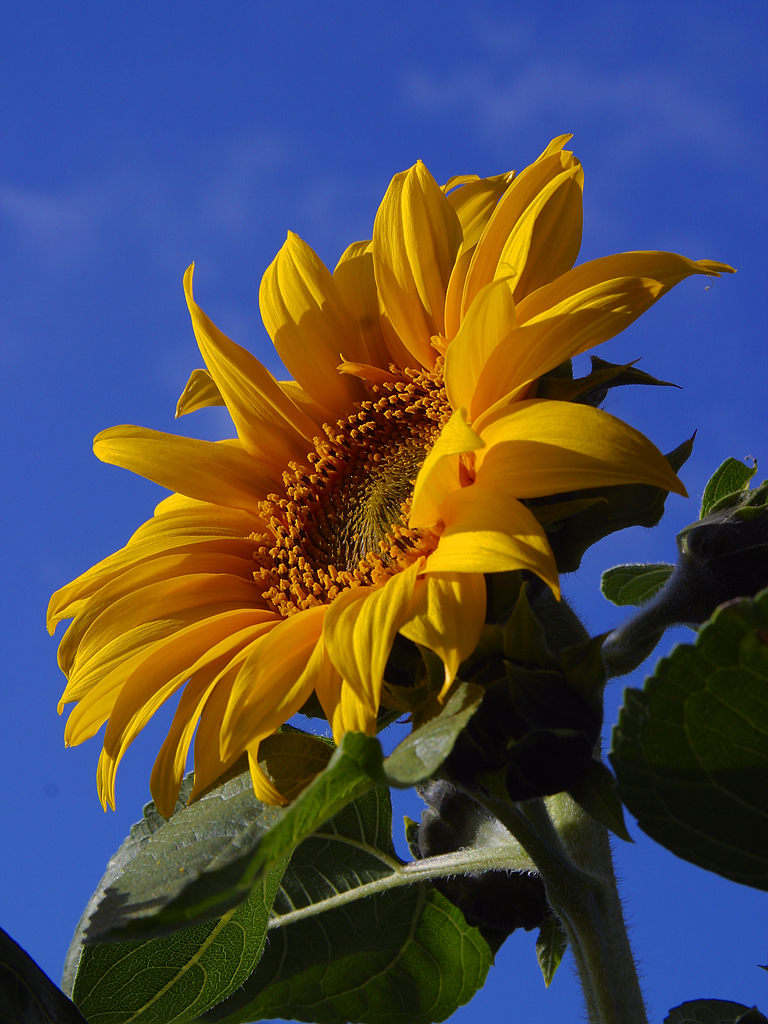 Common sunflowerHelianthus annuus
A tall annual plant grown for its large yellow flower heads and edible seeds
🇨🇦 Canada and 4 more · Wildflower
Common sunflowerHelianthus annuus
A tall annual plant grown for its large yellow flower heads and edible seeds
🇨🇦 Canada and 4 more · Wildflower
 CactusCactaceae
Succulent plants with spines, native to the Americas
🇲🇽 Mexico and 7 more · Wildflower
CactusCactaceae
Succulent plants with spines, native to the Americas
🇲🇽 Mexico and 7 more · Wildflower
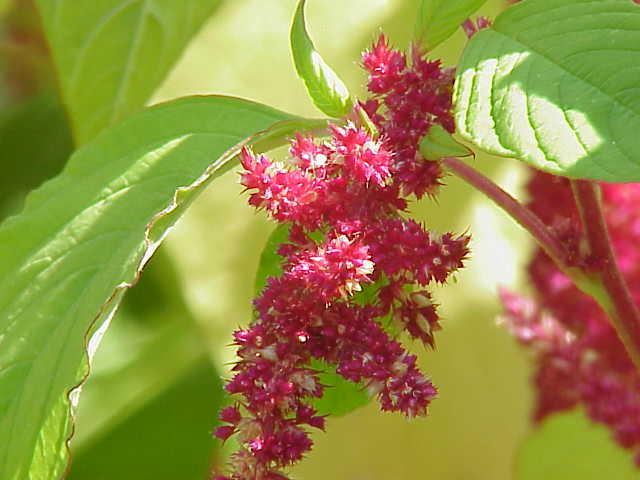 AmaranthAmaranthus
A tall, colourful plant grown for its flowers, leaves and edible seeds
🇲🇽 Mexico and 7 more · Wildflower
AmaranthAmaranthus
A tall, colourful plant grown for its flowers, leaves and edible seeds
🇲🇽 Mexico and 7 more · Wildflower
 HawthornCrataegus
A thorny shrub or tree with white or pink spring flowers and small edible fruits
🇮🇪 Ireland and 7 more · Wildflower
HawthornCrataegus
A thorny shrub or tree with white or pink spring flowers and small edible fruits
🇮🇪 Ireland and 7 more · Wildflower