
Baguio Botanical Garden
A public garden in Baguio with local plants, art, and cultural displays
Baguio Botanical Garden is a city park in Baguio, Philippines, known for its plant collections, art installations, and displays of local culture. Visitors can see themed gardens, Igorot-inspired sculptures, and a tunnel from World War II, making it a popular spot for both locals and tourists.
- Features a 150-meter tunnel built during World War II
- Showcases Igorot culture through sculptures and huts
- Hosts friendship gardens themed after six countries
- Displays collections of dahlias, cacti, and succulents
- Offers art galleries by the Baguio Arts Guild
What is Baguio Botanical Garden?
Baguio Botanical Garden is a green space in the city, featuring a mix of native and ornamental plants. The grounds include themed gardens, a sunflower patch, and collections of dahlias, cacti, succulents, marguerites, and orchids. Sculptures and huts inspired by Igorot culture are scattered throughout, along with art galleries and a long tunnel from the Second World War. Friendship gardens represent several countries, each with unique structures and statues.
The history of Baguio Botanical Garden
Originally a zoo, the park was renamed Imelda Park in 1970 by President Ferdinand Marcos to honor his wife. Over time, it shifted focus from animals to plants and cultural displays. The garden closed for almost a year in 2021 for renovations, which improved accessibility and aesthetics. Its various names reflect its changing roles and the diverse influences on Baguio’s history.
What there is to see
The garden is arranged with different plant beds and themed areas. Visitors can walk through gardens dedicated to specific flowers, such as dahlias and sunflowers, or explore sections with cacti and succulents. The Igorot Village area features traditional huts and wood carvings. The friendship gardens highlight cultural elements from countries like Japan, China, and the United States. Artworks and a historic tunnel add to the experience.

When to go
Open daily from morning to evening, the garden attracts both residents and tourists. People come to enjoy the plants, take photos, and learn about local and international cultures. The park is also a venue for art exhibits and community gatherings. Its World War II tunnel and cultural sculptures make it a place for both leisure and education.
Parts and collections
The garden includes several themed sections: the Igorot Village with native architecture and carvings, friendship gardens for different countries, and plant displays focused on flowers like dahlias and sunflowers. Art galleries and rotating exhibits by local artists add variety to each visit.
Why Baguio Botanical Garden matters
Baguio Botanical Garden is a symbol of the city’s blend of natural beauty and cultural heritage. The Igorot-inspired features celebrate the region’s indigenous people. The friendship gardens reflect Baguio’s ties with other countries. The World War II tunnel stands as a reminder of the city’s wartime history, while the park’s changing names mark its evolving identity.
The flowers of Baguio Botanical Garden
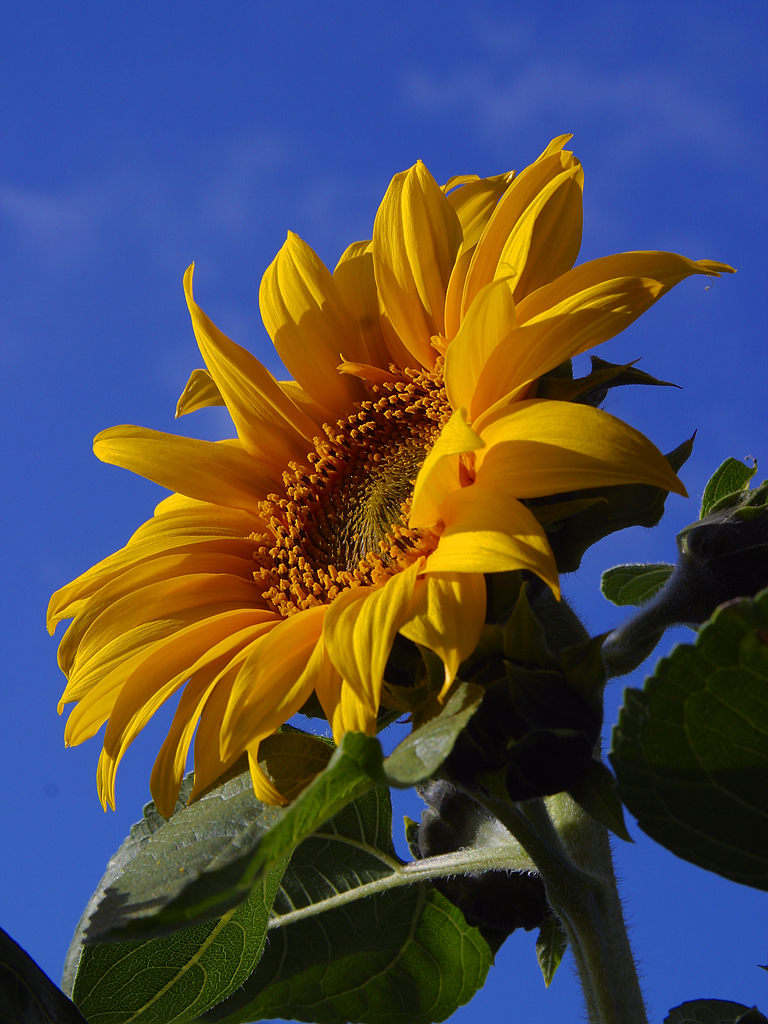 Common sunflowerA tall annual plant grown for its large yellow flower heads and edible seeds
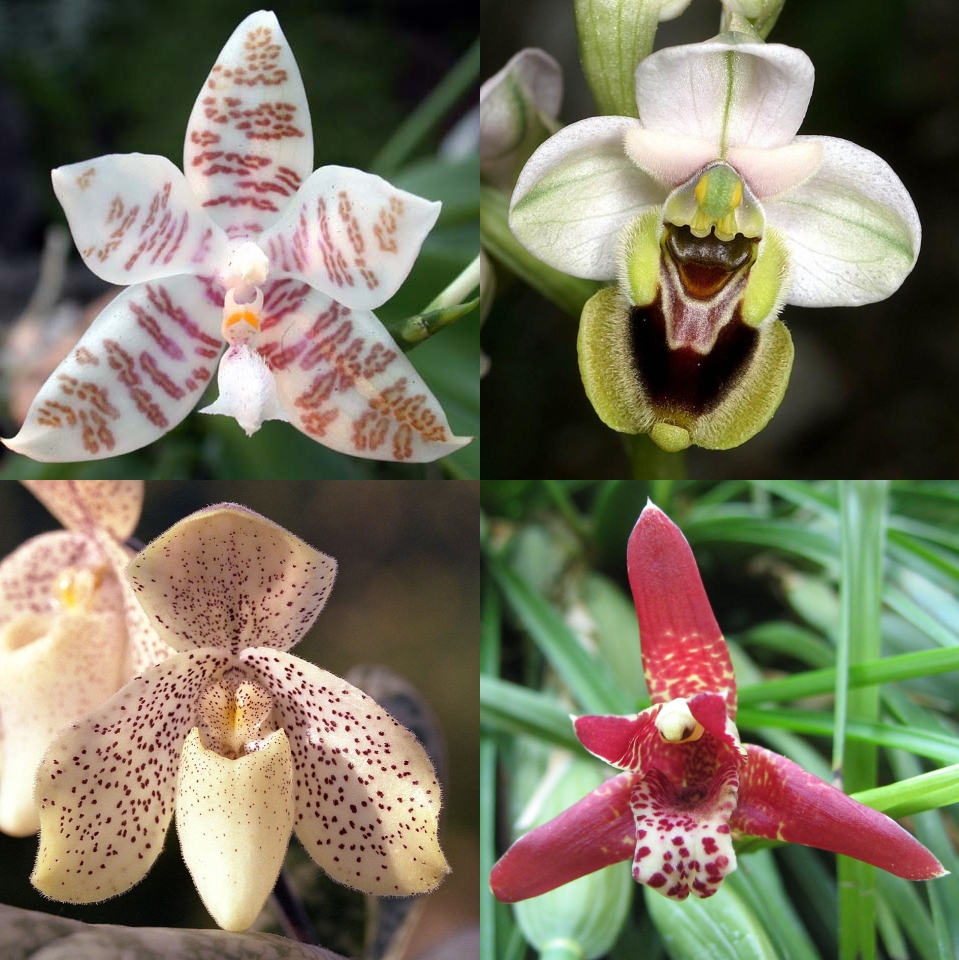 OrchidA vast family of colourful, often fragrant flowers found almost everywhere on earth
 CactusSucculent plants with spines, native to the Americas
 DahliaA bushy perennial with tuberous roots and bright, star-shaped blooms
 ArgyranthemumDaisy-like flowers from the Macaronesian islands, grown for summer colour
 Marguerite daisyA bushy daisy shrub from the Canary Islands with white, yellow or pink blooms
 Tree dahliaA towering dahlia with lavender-pink flowers from the mountains of Central America
Questions people ask about Baguio Botanical Garden
Where is the Baguio Botanical Garden located?
The garden is in Baguio, Philippines, in the Cordillera region. It is a public park within the city and is easy to reach for visitors.
What can visitors see at the garden?
Visitors will find plant collections, themed gardens, Igorot-inspired sculptures, art galleries, and a World War II tunnel. There are also friendship gardens representing several countries.
What is the history behind the garden’s names?
The park has been called Imelda Park, Centennial Park, Igorot Village, and Botanical & Zoological Garden, reflecting its past as a zoo, its dedication to Imelda Marcos, and its cultural features.
Are there any special features or attractions?
Yes, the garden includes a 150-meter tunnel built by Japanese soldiers during World War II, as well as art installations and cultural displays.
What plants are highlighted in the garden?
The garden features dahlias, cacti, succulents, marguerites, orchids, and sunflowers in its various themed sections.
Good reading and sources
- Baguio Botanical Garden on WikipediaEncyclopedia
- More photos on Wikimedia CommonsPhotos
- Wikidata recordOpen data
The facts on this page come from the Wikipedia article "Baguio Botanical Garden", written by its contributors and used under the CC BY-SA 4.0 licence, and from its Wikidata record (CC0). Phool rewrote the text in its own words, with AI assistance, and compares every page with the article to make sure no passage is copied. It may be reused under the same CC BY-SA 4.0 licence with a link back.
It may contain mistakes. Opening times, prices and bloom dates change: check with the place before you travel. If something is wrong, tell us. Last refreshed 2026-10-03.
More of the same kind
 Place
Tropical Botanical Garden and Research Institute
A major botanical garden and research centre in Thiruvananthapuram, Kerala
Thiruvananthapuram, 🇮🇳 India · Botanical garden
Place
Tropical Botanical Garden and Research Institute
A major botanical garden and research centre in Thiruvananthapuram, Kerala
Thiruvananthapuram, 🇮🇳 India · Botanical garden
 Place
Baldha Gardenবলধা গার্ডেন
A historic botanical garden in Old Dhaka with hundreds of plant species
Dhaka, 🇧🇩 Bangladesh · Botanical garden
Place
Baldha Gardenবলধা গার্ডেন
A historic botanical garden in Old Dhaka with hundreds of plant species
Dhaka, 🇧🇩 Bangladesh · Botanical garden
 Place
Hakone Botanical Garden of Wetlands箱根湿生花園
A garden of wetland and alpine plants in Hakone, Japan
Hakone, 🇯🇵 Japan · Botanical garden
Place
Hakone Botanical Garden of Wetlands箱根湿生花園
A garden of wetland and alpine plants in Hakone, Japan
Hakone, 🇯🇵 Japan · Botanical garden
 Place
Sim's Park, Coonoor
A century-old botanical garden in the Nilgiri hills of Tamil Nadu
Coonoor, 🇮🇳 India · Botanical garden, May
Place
Sim's Park, Coonoor
A century-old botanical garden in the Nilgiri hills of Tamil Nadu
Coonoor, 🇮🇳 India · Botanical garden, May
More from the Philippines
All the flowers of the Philippines Place
Burnham Park
Historic city park with gardens, a lake, and leisure spaces in Baguio, Philippines
Baguio, 🇵🇭 Philippines · Flower garden
Place
Burnham Park
Historic city park with gardens, a lake, and leisure spaces in Baguio, Philippines
Baguio, 🇵🇭 Philippines · Flower garden
 Place
La Trinidad
The valley town in Benguet known for strawberries and cut flowers
Bahong, 🇵🇭 Philippines · Bloom site
Place
La Trinidad
The valley town in Benguet known for strawberries and cut flowers
Bahong, 🇵🇭 Philippines · Bloom site
 JasmineJasminum
A group of fragrant shrubs and vines with white or yellow star-shaped flowers
🇵🇰 Pakistan and 7 more · Wildflower
JasmineJasminum
A group of fragrant shrubs and vines with white or yellow star-shaped flowers
🇵🇰 Pakistan and 7 more · Wildflower
 WaterlilyNymphaea
Floating aquatic flowers found in ponds and lakes worldwide
🇪🇬 Egypt and 7 more · Water flower
WaterlilyNymphaea
Floating aquatic flowers found in ponds and lakes worldwide
🇪🇬 Egypt and 7 more · Water flower