
Tree dahlia
Dahlia imperialis, family Asteraceae
A towering dahlia with lavender-pink flowers from the mountains of Central America
Tree dahlia is a tall perennial plant native to upland areas from Mexico to Colombia. It grows cane-like stems up to 10 metres high and produces nodding, lavender-pink flowers in autumn. People eat its tubers and petals, and some use its leaves as a supplement.
- Can grow up to 10 metres tall from a tuber
- Native to upland regions from Mexico to Colombia and Ecuador
- Produces large, lavender-pink nodding flowers in autumn
- Tubers and petals are edible; leaves used as a supplement in Guatemala
What does Tree dahlia look like?
Tree dahlia is a striking perennial that can reach 8 to 10 metres in height. Its stems are hollow, four-sided, and resemble canes, with swollen joints. The leaves are large and divided into many leaflets. Near the top, it produces nodding flowerheads, each 7.5 to 15 centimetres across, with ray florets in shades of lavender or mauve-pink. Lower leaves drop off quickly as the plant grows.
Where does Tree dahlia come from?
Dahlia imperialis grows wild in upland regions from Mexico through Central America to Colombia and Ecuador, especially in the foothills of subtropical or tropical mountains at elevations around 1,500 to 1,700 metres. It was first described in 1863 by Benedikt Roezl, a Czech plant collector. The species became known in Europe after dahlia plants were brought from Mexico in the 16th century.
When and how Tree dahlia blooms
Tree dahlia grows from a tuber, sending up new stems in spring after a winter rest. It grows rapidly as days shorten, usually flowering in autumn before frost. The plant is propagated by seed or by laying stem cuttings with at least two nodes under the soil. Good drainage helps, and a top layer of gravel or grit can aid moisture retention and prevent erosion.


How Tree dahlia is used
People eat the tubers of many dahlia species, including tree dahlia, in ways similar to potatoes or carrots. The petals can be added to salads or soups. In Guatemala, the Q'eqchi' people use the leaves as a dietary supplement. There is no mention of use in worship or as a symbol.
Kinds of Tree dahlia
Tree dahlia is one of several species in the Dahlia genus, but is notable for its great height and large, nodding flowers. Other dahlia species are more commonly grown for ornamental purposes, but tree dahlia stands out for its edible parts and size.
What Tree dahlia means
Tree dahlia does not have a strong role in symbolism or as a national emblem in the regions where it grows. Its main cultural significance is as a food plant, especially among some Indigenous groups in Central America. There are no major festivals or religious uses tied to this species.
Where Tree dahlia is used and seen
 Parc floral de ParisA botanical garden and flower park in the Bois de Vincennes, Paris
 Parc Floral de la SourceA large public garden in Orléans built around the source of the Loiret river
 Mendocino Coast Botanical GardensA coastal garden in Mendocino County, California with ocean views and diverse plantings
 Baguio Botanical GardenA public garden in Baguio with local plants, art, and cultural displays
 Flower gardenA garden space planted and arranged for flowering plants and seasonal blooms
 Flower carpetPatterns made on the ground from fresh flowers or petals
 Gardens by the BaySingapore’s waterfront gardens with giant Supertrees and world-class glasshouses
 Flower Carpet of BrusselsA giant floral tapestry on Brussels’ Grand-Place every two years
Questions people ask about Tree dahlia
Where does the tree dahlia come from?
Tree dahlia is native to upland areas from Mexico through Central America to Colombia and Ecuador, especially in the foothills of subtropical or tropical mountains.
What does the tree dahlia look like?
It is a tall perennial plant with hollow, cane-like stems that can reach 8–10 metres. It has large, divided leaves and produces nodding, lavender-pink flowers 7.5–15 cm across.
When does the tree dahlia flower?
Tree dahlia usually blooms in autumn, with flowering triggered by shorter daylight hours before the risk of frost.
Is the tree dahlia edible?
Yes, the tubers can be cooked and eaten like potatoes or carrots, the petals can be added to salads or soups, and the leaves are used as a dietary supplement by some people in Guatemala.
Does the tree dahlia have any cultural or symbolic meaning?
There is no mention of the tree dahlia as a symbol or emblem, but it is valued as a food plant, especially among some Indigenous groups in Central America.
Good reading and sources
- IUCN Red List of Threatened SpeciesIUCN Red List, Article
- Dahlia imperialis (B)Royal Horticultural Society, Article
- Plants of the World OnlineRoyal Botanic Gardens, Kew, Plant database
- Where it has been recordedGBIF, Plant database
- Sightings and photos by naturalistsiNaturalist, Plant database
- Dahlia imperialis on WikipediaEncyclopedia
- More photos on Wikimedia CommonsPhotos
- Wikidata recordOpen data
The facts on this page come from the Wikipedia article "Dahlia imperialis", written by its contributors and used under the CC BY-SA 4.0 licence, and from its Wikidata record (CC0). Phool rewrote the text in its own words, with AI assistance, and compares every page with the article to make sure no passage is copied. It may be reused under the same CC BY-SA 4.0 licence with a link back.
It may contain mistakes. It is not medical or foraging advice: many flowers are poisonous, and traditional uses are reported, not recommended. If something is wrong, tell us. Last refreshed 2026-10-03.
Others in the family Asteraceae
The whole family Chrysanthemum菊花
Autumn-blooming flower with thousands of varieties, cherished in East Asia and beyond
🇨🇳 China and 6 more · Wildflower
Chrysanthemum菊花
Autumn-blooming flower with thousands of varieties, cherished in East Asia and beyond
🇨🇳 China and 6 more · Wildflower
 Asteraceae
The vast family of daisies, asters, and sunflowers with star-like flower heads
Asteraceae · Wildflower
Asteraceae
The vast family of daisies, asters, and sunflowers with star-like flower heads
Asteraceae · Wildflower
 DandelionTaraxacum
A yellow-flowered perennial found in fields, lawns, and gardens worldwide
Taraxacum · Wildflower
DandelionTaraxacum
A yellow-flowered perennial found in fields, lawns, and gardens worldwide
Taraxacum · Wildflower
 Dahlia
A bushy perennial with tuberous roots and bright, star-shaped blooms
🇲🇽 Mexico and 1 more · Garden flower
Dahlia
A bushy perennial with tuberous roots and bright, star-shaped blooms
🇲🇽 Mexico and 1 more · Garden flower
More from Mexico
All the flowers of Mexico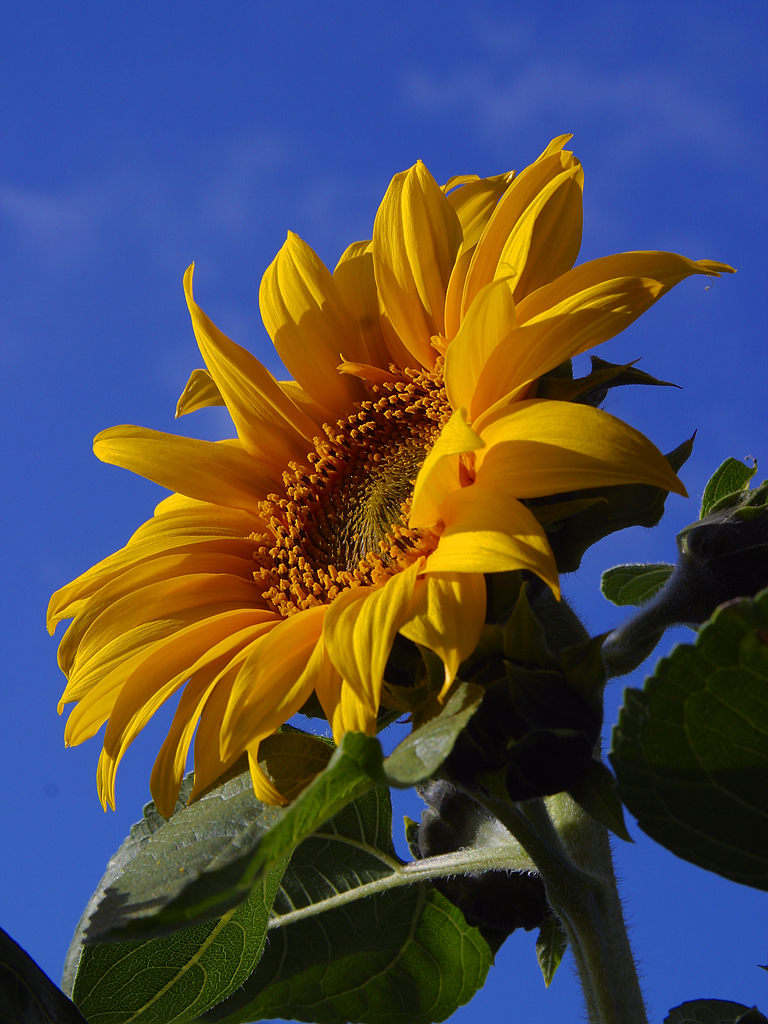 Common sunflowerHelianthus annuus
A tall annual plant grown for its large yellow flower heads and edible seeds
🇨🇦 Canada and 4 more · Wildflower
Common sunflowerHelianthus annuus
A tall annual plant grown for its large yellow flower heads and edible seeds
🇨🇦 Canada and 4 more · Wildflower
 CactusCactaceae
Succulent plants with spines, native to the Americas
🇲🇽 Mexico and 7 more · Wildflower
CactusCactaceae
Succulent plants with spines, native to the Americas
🇲🇽 Mexico and 7 more · Wildflower
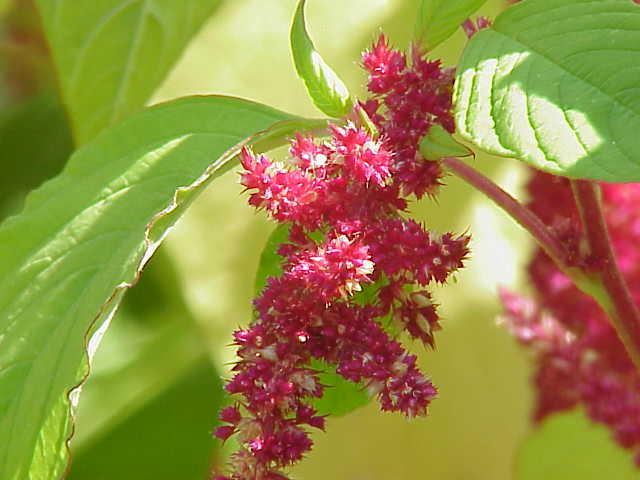 AmaranthAmaranthus
A tall, colourful plant grown for its flowers, leaves and edible seeds
🇲🇽 Mexico and 7 more · Wildflower
AmaranthAmaranthus
A tall, colourful plant grown for its flowers, leaves and edible seeds
🇲🇽 Mexico and 7 more · Wildflower
 HawthornCrataegus
A thorny shrub or tree with white or pink spring flowers and small edible fruits
🇮🇪 Ireland and 7 more · Wildflower
HawthornCrataegus
A thorny shrub or tree with white or pink spring flowers and small edible fruits
🇮🇪 Ireland and 7 more · Wildflower