
Dandelion
Taraxacum, family Asteraceae
A yellow-flowered perennial found in fields, lawns, and gardens worldwide
Dandelions are hardy perennial plants with bright yellow to orange flower heads, grouped under the genus Taraxacum. Native to temperate regions of the Northern Hemisphere, they now grow nearly everywhere except the tropics and polar areas. Their flowers attract pollinators in early spring, and their seeds travel far on the wind. People have used dandelions for food and traditional remedies since ancient times.
- Dandelions grow almost everywhere except the tropics and polar regions
- Their seeds travel long distances on the wind using fluffy parachutes
- Over 2000 dandelion species and forms are recognized worldwide
- Dandelions are a crucial early food source for pollinators
- People have used dandelions for food and traditional remedies since ancient times
What does Dandelion look like?
Dandelions are low-growing plants with a rosette of deeply notched leaves and a thick taproot. Their flower heads, which range from yellow to orange, sit atop hollow, leafless stems that ooze a white sap if broken. Each flower head is made up of many tiny florets. After flowering, the heads turn into round, white seed balls that break up easily in the wind. The leaves are usually 5–25 cm long, and the flower heads are 2–5 cm across.
Where does Dandelion come from?
Taraxacum likely first appeared in Eurasia around 30 million years ago. Fossil evidence from southern Belarus points to their ancient presence. Dandelions spread across the Northern Hemisphere, thriving in temperate climates. Over time, people have carried them to new places, including North America, where they were brought intentionally for their uses. The genus is named from an Arabic word for 'bitter herb,' and the English name comes from the jagged shape of the leaves.
When and how Dandelion blooms
Dandelions bloom mainly in spring and summer, opening their flower heads during daylight and closing them at night or in cool weather. They grow in a wide range of soils and are often found in disturbed ground. Many species reproduce without pollination, producing seeds that are clones of the parent. The seeds are attached to a tuft of fine hairs, helping them float on the wind and spread far from the parent plant.


How Dandelion is used
People have gathered dandelions for food, using the leaves, flowers, and roots in salads, teas, and other dishes. The plant has a long history in traditional herbal practices. Dandelions are also valued in gardens for attracting pollinators early in the year. However, in some places, they are considered weeds because they spread quickly and can take over lawns and fields.
Kinds of Dandelion
The genus includes many species and local forms, with over 2000 described worldwide. Some well-known species are the common dandelion (T. officinale), the red-seeded dandelion (T. erythrospermum), and the Japanese dandelion (T. japonicum). Cultivated varieties have been selected for leaf size and tenderness. Some species, like T. kok-saghyz, have even been grown for their rubber content.
What Dandelion means
Dandelions have been part of human diets and traditions for centuries, known to ancient Egyptians, Greeks, and Romans. The plant is important for wildlife, providing nectar for insects and food for birds and mammals. In some countries, dandelions are seen as invasive weeds, but they also play a key role in early spring as one of the first flowers available to pollinators.
Where Dandelion is used and seen

Questions people ask about Dandelion
Where do dandelions originally come from?
Dandelions first evolved in Eurasia and are native to temperate regions of the Northern Hemisphere. Over time, they have spread to nearly all parts of the world except the tropics and polar areas.
What do dandelion flowers look like?
Dandelion flowers are bright yellow to orange and made up of many tiny florets grouped into a single head. After blooming, the heads turn into round, white seed balls that break apart in the wind.
How do dandelions spread?
Dandelions produce seeds attached to fine hairs that act like parachutes. When mature, these seeds are carried by the wind, allowing the plant to colonize new areas quickly.
What are dandelions used for?
People use dandelions as food, adding leaves, flowers, and roots to salads, teas, and other dishes. The plant has also been used in traditional herbal practices and is important for wildlife as an early nectar source.
Are there different types of dandelions?
Yes, there are many species and local forms of dandelions, including the common dandelion, red-seeded dandelion, and Japanese dandelion. Some varieties have been selected for larger or more tender leaves.
Good reading and sources
- Wind dispersal of battery-free wireless devicesNature, Article
- Making rubber from dandelion juiceScienceDaily, Article
- Let dandelions grow. Bees, beetles and birds need themThe Guardian, Article
- Plants of the World OnlineRoyal Botanic Gardens, Kew, Plant database
- Where it has been recordedGBIF, Plant database
- Sightings and photos by naturalistsiNaturalist, Plant database
The facts on this page come from the Wikipedia article "Taraxacum", written by its contributors and used under the CC BY-SA 4.0 licence, and from its Wikidata record (CC0). Phool rewrote the text in its own words, with AI assistance, and compares every page with the article to make sure no passage is copied. It may be reused under the same CC BY-SA 4.0 licence with a link back.
It may contain mistakes. It is not medical or foraging advice: many flowers are poisonous, and traditional uses are reported, not recommended. If something is wrong, tell us. Last refreshed 2026-10-03.
Others in the family Asteraceae
The whole family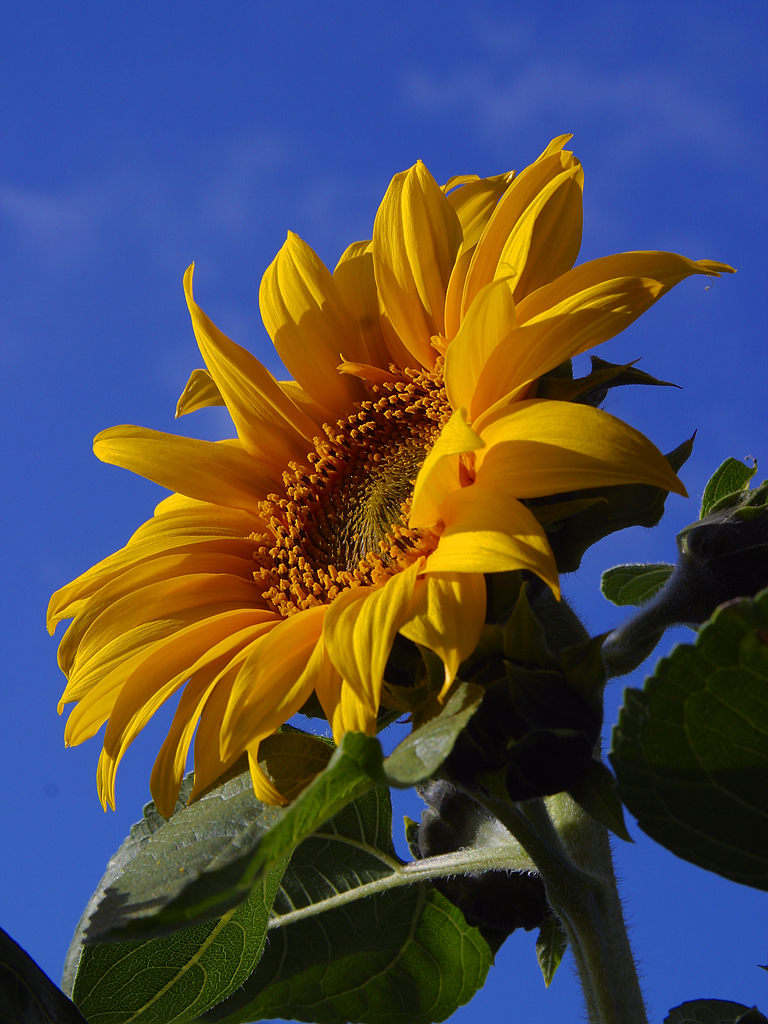 Common sunflowerHelianthus annuus
A tall annual plant grown for its large yellow flower heads and edible seeds
🇨🇦 Canada and 4 more · Wildflower
Common sunflowerHelianthus annuus
A tall annual plant grown for its large yellow flower heads and edible seeds
🇨🇦 Canada and 4 more · Wildflower
 Chrysanthemum菊花
Autumn-blooming flower with thousands of varieties, cherished in East Asia and beyond
🇨🇳 China and 6 more · Wildflower
Chrysanthemum菊花
Autumn-blooming flower with thousands of varieties, cherished in East Asia and beyond
🇨🇳 China and 6 more · Wildflower
 Asteraceae
The vast family of daisies, asters, and sunflowers with star-like flower heads
Asteraceae · Wildflower
Asteraceae
The vast family of daisies, asters, and sunflowers with star-like flower heads
Asteraceae · Wildflower
 Dahlia
A bushy perennial with tuberous roots and bright, star-shaped blooms
🇲🇽 Mexico and 1 more · Garden flower
Dahlia
A bushy perennial with tuberous roots and bright, star-shaped blooms
🇲🇽 Mexico and 1 more · Garden flower