
Flower power
A 1960s protest style using flowers as symbols of peace and resistance
Flower power was a form of protest that used flowers as a sign of peace during the 1960s and early 1970s. It began in California as a response to the Vietnam War, spreading across the United States as part of the hippie movement. Protesters wore and gave away flowers, turning demonstrations into peaceful displays.
- Started as a peaceful protest method in Berkeley, California in 1965
- Protesters handed flowers to police and soldiers at rallies
- Haight-Ashbury in San Francisco became the movement's center
- Iconic photos showed flowers placed in gun barrels
- Inspired psychedelic art and music of the late 1960s
What is Flower power?
Flower power was a protest approach where people used flowers to represent peace and nonviolence. Protesters often wore flowers in their hair, decorated their clothes with floral patterns, and handed out real flowers to police, soldiers, and bystanders. The movement also inspired colorful art and posters, and became a visual symbol of the 1960s counterculture.
Where does Flower power come from?
The idea started in Berkeley, California, in 1965, when poet Allen Ginsberg suggested protesters use flowers and other playful items to make demonstrations less threatening. The approach quickly caught on, especially among young people opposed to the Vietnam War. The phrase 'flower power' and related terms like 'flower child' became linked to the hippie movement and spread through music, art, and media.
How Flower power is made
During protests, participants would bring large numbers of flowers to hand out or display. Some made garlands or chains, while others simply carried bouquets. Flowers were sometimes placed in the barrels of soldiers' guns or given to police as a gesture of peace. The movement also used bright, floral-themed clothing and posters to reinforce its message.


When and where Flower power is used
Flower power was most visible at anti-war rallies and gatherings in the late 1960s, especially in cities like San Francisco and New York. Events such as the March on the Pentagon and the Summer of Love featured large groups of young people using flowers to express their opposition to war and their hope for peace. The movement faded in the early 1970s as the war and the draft ended.
Forms of Flower power
Different cities and groups adopted their own ways of using flowers in protest. The Bread and Puppet Theater in New York included flowers in their performances, while the Flower Brigade carried flowers and pink posters in parades. The style also influenced psychedelic art, music, and fashion, with artists like Peter Max and bands like the Seeds embracing the theme.
What Flower power means
Flower power became a lasting symbol of peaceful protest and the 1960s counterculture. Iconic photographs, such as a young woman holding a flower before armed soldiers, captured the contrast between peace and conflict. The movement influenced art, music, and fashion, and is still remembered as a call for love and nonviolence in times of unrest.
The flowers of Flower power
 ChrysanthemumAutumn-blooming flower with thousands of varieties, cherished in East Asia and beyond
 NarcissusSpring-flowering bulbs with trumpet-shaped blooms in white, yellow, and orange
 DandelionA yellow-flowered perennial found in fields, lawns, and gardens worldwide
 DianthusA group of frilled, often pink, flowers grown in gardens and bouquets worldwideCarnationA fragrant flower with ruffled petals, grown worldwide for decoration and meaning
 Wild daffodilA pale yellow spring flower and the national emblem of Wales
 Chrysanthemum japonenseA white-flowered perennial daisy native to coastal Shikoku, Japan
 Indian chrysanthemumA yellow or white-flowered chrysanthemum native to China
Questions people ask about Flower power
Where did flower power begin?
Flower power started in Berkeley, California, in 1965 as a peaceful protest against the Vietnam War. The idea was to use flowers to make demonstrations less threatening and more positive.
What did people do during flower power protests?
Protesters wore flowers, decorated their clothes, and handed out flowers to police, soldiers, and bystanders. They also used flowers in art and posters to spread a message of peace.
What does flower power symbolize?
Flower power stands for nonviolence, peace, and resistance to war. It became a symbol of the hippie movement and the desire for love and harmony during the 1960s.
Which flowers were used in the movement?
Carnations, chrysanthemums, dandelions, and daffodils were among the flowers handed out or displayed at protests. The choice of flower often depended on what was available.
Is flower power still remembered today?
Yes, flower power remains an iconic symbol of the 1960s. Its images and ideas continue to appear in art, music, and discussions about peaceful protest.
Good reading and sources
The facts on this page come from the Wikipedia article "Flower power", written by its contributors and used under the CC BY-SA 4.0 licence, and from its Wikidata record (CC0). EveryPhool rewrote the text in its own words, with AI assistance, and compares every page with the article to make sure no passage is copied. It may be reused under the same CC BY-SA 4.0 licence with a link back.
It may contain mistakes. If something is wrong, tell us. Last refreshed 2026-10-03.
More of the same kind
 Decoration
Tokonoma床の間
A Japanese alcove for displaying scrolls and flower arrangements
🇯🇵 Japan · Arrangement
Decoration
Tokonoma床の間
A Japanese alcove for displaying scrolls and flower arrangements
🇯🇵 Japan · Arrangement
 Decoration
Bouquet
A creative arrangement of flowers, given or displayed for many occasions
🇨🇳 China and 1 more · Arrangement
Decoration
Bouquet
A creative arrangement of flowers, given or displayed for many occasions
🇨🇳 China and 1 more · Arrangement
 Decoration
Floriculture
The science and business of growing flowers and ornamental plants
Arrangement
Decoration
Floriculture
The science and business of growing flowers and ornamental plants
Arrangement
 Decoration
Sōgetsu草月流
A modern school of Japanese ikebana open to all materials and styles
🇯🇵 Japan · Arrangement
Decoration
Sōgetsu草月流
A modern school of Japanese ikebana open to all materials and styles
🇯🇵 Japan · Arrangement
More from the United States
All the flowers of the United States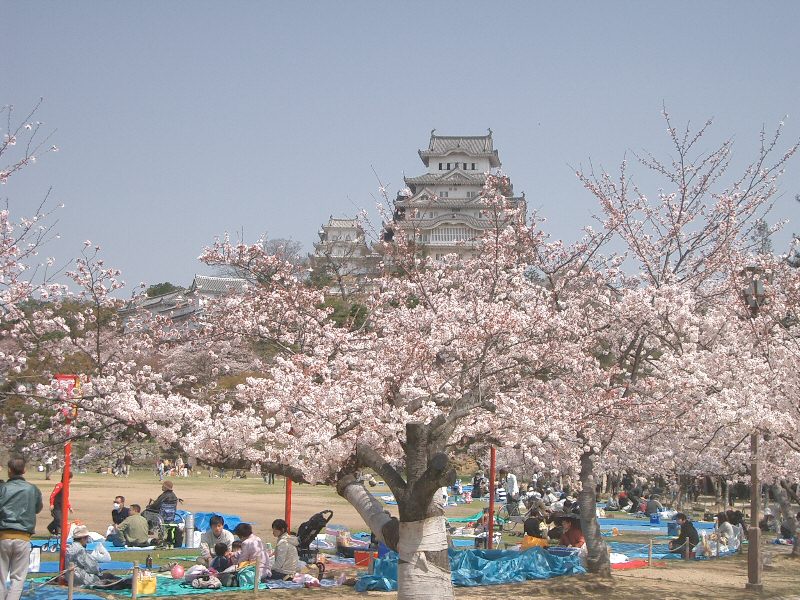 Decoration
Hanami花見
The Japanese tradition of gathering to enjoy cherry blossoms in spring
🇯🇵 Japan and 7 more · Custom, Jan to May
Decoration
Hanami花見
The Japanese tradition of gathering to enjoy cherry blossoms in spring
🇯🇵 Japan and 7 more · Custom, Jan to May
 Decoration
Paisleyبته
A curved teardrop motif from Iran and India, now used worldwide on textiles
🇮🇷 Iran and 8 more · Art or design
Decoration
Paisleyبته
A curved teardrop motif from Iran and India, now used worldwide on textiles
🇮🇷 Iran and 8 more · Art or design
 Decoration
May devotions to the Blessed Virgin Mary
Month-long Catholic customs honouring Mary with flowers, altars, and processions
🇮🇹 Italy and 7 more · Custom, May
Decoration
May devotions to the Blessed Virgin Mary
Month-long Catholic customs honouring Mary with flowers, altars, and processions
🇮🇹 Italy and 7 more · Custom, May
 Decoration
Bonsai盆栽
The Japanese art of shaping miniature trees in shallow pots
🇯🇵 Japan and 7 more · Art or design
Decoration
Bonsai盆栽
The Japanese art of shaping miniature trees in shallow pots
🇯🇵 Japan and 7 more · Art or design