
Carnation
Dianthus caryophyllus, family Caryophyllaceae
A fragrant flower with ruffled petals, grown worldwide for decoration and meaning
Carnation is a perennial flower native to the Mediterranean, now grown around the world. Its ruffled, sweetly scented blooms come in many colours and are used for decoration, gifts, and in ceremonies. Carnations carry meanings of love, admiration, and remembrance, with each colour holding its own symbolism.
- Carnations have a spicy, clove-like scent and ruffled petals.
- They are the national flower of Spain, Monaco, and Slovenia.
- Red carnations symbolize socialism and are worn on May Day.
- White carnations are worn for Mother's Day and remembrance.
- Blue carnations do not occur naturally but exist through genetic engineering.
What does Carnation look like?
Carnation is a perennial plant that grows up to 80 cm tall. Its leaves are slender and blue-green. The flowers, about 3–5 cm across, have ruffled, fringed petals and a strong, spicy scent like cloves or nutmeg. Originally bright pinkish-purple, carnations now come in red, pink, white, yellow, green, and purple. Some are dyed blue for bouquets, but true blue does not occur naturally. Flowers can appear singly or in small clusters.
Where does Carnation come from?
Carnations are native to the Mediterranean, but their exact wild range is unclear due to centuries of cultivation. They have been grown for over 2,000 years and appear in ancient Greek literature. The name 'dianthus' was given by Theophrastus, meaning 'divine flower' in Greek. 'Carnation' may come from the Latin for crown or flesh, reflecting its use in ceremonial garlands and its natural colour. Today, wild forms are still found in Mediterranean countries like Portugal, Spain, Italy, Greece, and Turkey.
When and how Carnation blooms
Carnations thrive in well-drained, neutral to slightly alkaline soil and need full sun. They are grown from seed or cuttings and flower in gardens or as cut flowers. Many cultivars have been bred for different colours and forms, such as 'Gina Porto' and 'Red Rocket'. Some are grown for their strong scent, while others are selected for use as buttonholes and have little or no fragrance.


How Carnation is used
Carnations are used in bouquets, wedding decorations, and as boutonnières. They are worn on Mother's Day, May Day, and other holidays. In China, they are common in weddings. In France, they are given at funerals. The flowers are also used in perfumes and potpourri, and have been added to foods and drinks for flavour. Traditional medicine uses include remedies for stomach upset and fever.
Kinds of Carnation
Carnations come in many colours and forms, with hundreds of cultivars bred for gardens and florists. Genetic engineering has produced blue-mauve and violet varieties, such as 'Moondust' and 'Moonshade'. Some hybrids are bred for disease resistance, though they may be less attractive. The name 'carnation' is also used for hybrids between Dianthus caryophyllus and other species.
What Carnation means
Carnations symbolize love, admiration, and remembrance. Red carnations are linked to socialism and the labour movement, and were the symbol of Portugal's Carnation Revolution. White carnations stand for pure love and are worn for Mother's Day in the US and Canada. In Azerbaijan, red carnations are a symbol of mourning after Black January. The flower is the national emblem of Spain, Monaco, and Slovenia, and the state flower of Ohio. In Turkey, it appears in mosque art as a symbol for Muhammad.
Where Carnation is used and seen
 KeukenhofA vast Dutch flower garden famous for its spring tulip displays
 CorsageA small bouquet worn on the dress or wrist for formal events
 BoutonnièreA single flower worn on a suit or tuxedo lapel for formal occasions
 Cut flowersFresh flowers and buds trimmed for decoration and display
 LeiA garland or necklace of flowers, leaves, or shells given to honor or celebrate
 Mother's DayA day to honor mothers and motherhood around the world
Traditions that use it
Where to see Carnation
 🇨🇳 Kunming · All yearDounan flower marketChina's largest cut-flower market, where much of the trade happens in the evening.
 🇰🇪 Nairobi · All yearFlower stalls of Nairobi City MarketBucket-filled flower stalls at Nairobi's old central market, in a country that exports roses to the world.
 🇰🇪 Naivasha · All yearRose farms of Lake NaivashaGreenhouses around a Rift Valley lake grow a large share of the roses sold in Europe.
🇫🇷 Nice · All yearThe flower market on the Cours SaleyaStriped awnings in Nice's old town sheltering stalls of Riviera cut flowers beside fruit, olives and socca.
🇰🇪 Naivasha · All yearRose farms of Lake NaivashaGreenhouses around a Rift Valley lake grow a large share of the roses sold in Europe.
🇫🇷 Nice · All yearThe flower market on the Cours SaleyaStriped awnings in Nice's old town sheltering stalls of Riviera cut flowers beside fruit, olives and socca. 🇪🇸 Barcelona · All yearThe flower kiosks of La RamblaA stretch of Barcelona's central promenade lined with flower kiosks since the nineteenth century, busiest on 23 April.
Days and festivals
Questions people ask about Carnation
Where do carnations come from?
Carnations are native to the Mediterranean region, but have been cultivated worldwide for over 2,000 years. Wild forms are still found in countries like Portugal, Spain, Italy, Greece, and Turkey.
What do carnations symbolize?
Carnations symbolize love, admiration, and remembrance. The meaning changes with colour: red for deep love or socialism, white for pure love or remembrance, and purple for capriciousness.
Are carnations used in any special events or holidays?
Yes, carnations are worn on Mother's Day, May Day, and at weddings and funerals in many countries. They are also linked to the Carnation Revolution in Portugal and are the birth flower for January.
What colours do carnations come in?
Carnations naturally come in pink, red, white, yellow, green, and purple. Blue carnations have been created using genetic engineering, but do not occur naturally.
Are carnations fragrant?
Yes, most carnations have a strong, spicy scent similar to cloves or nutmeg, which has made them popular in perfumes and potpourri.
Good reading and sources
- Encyclopaedia BritannicaArticle
- USDA Plants DatabaseUS Department of Agriculture, Article
- Dianthus caryophyllusRoyal Horticultural Society, Article
- Plants of the World OnlineRoyal Botanic Gardens, Kew, Plant database
- Where it has been recordedGBIF, Plant database
- Sightings and photos by naturalistsiNaturalist, Plant database
- Dianthus caryophyllus on WikipediaEncyclopedia
- More photos on Wikimedia CommonsPhotos
- Wikidata recordOpen data
The facts on this page come from the Wikipedia article "Dianthus caryophyllus", written by its contributors and used under the CC BY-SA 4.0 licence, and from its Wikidata record (CC0). Phool rewrote the text in its own words, with AI assistance, and compares every page with the article to make sure no passage is copied. It may be reused under the same CC BY-SA 4.0 licence with a link back.
It may contain mistakes. It is not medical or foraging advice: many flowers are poisonous, and traditional uses are reported, not recommended. If something is wrong, tell us. Last refreshed 2026-10-03.
Others in the family Caryophyllaceae
The whole family
Dianthus
A group of frilled, often pink, flowers grown in gardens and bouquets worldwide
Dianthus · Wildflower
 Fringed pinkDianthus superbus
A wild pink flower with deeply fringed petals and a sweet scent
🇫🇷 France and 6 more · Wildflower
Fringed pinkDianthus superbus
A wild pink flower with deeply fringed petals and a sweet scent
🇫🇷 France and 6 more · Wildflower
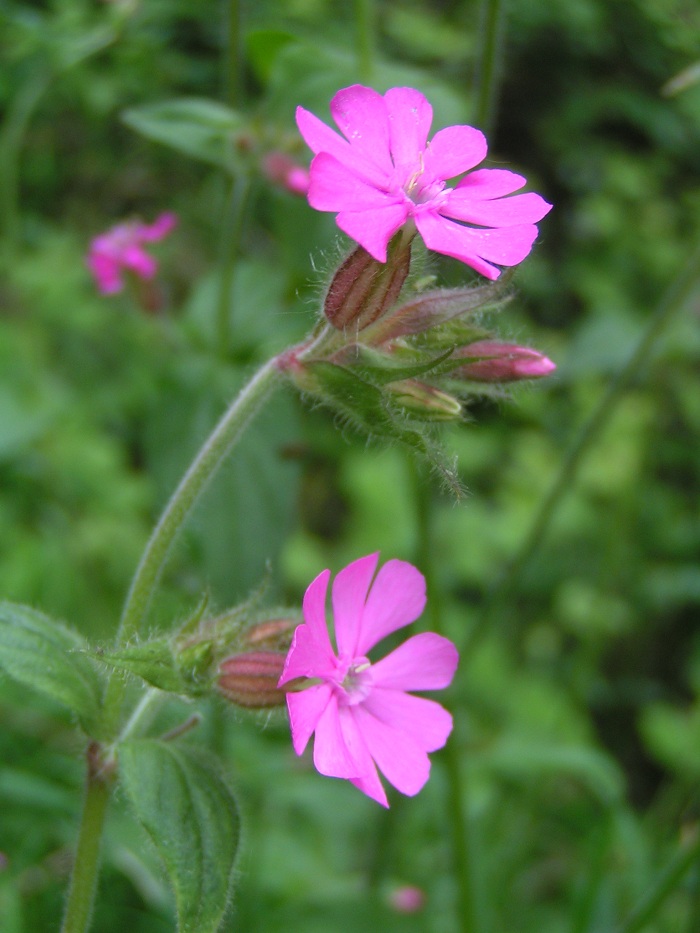 Red campionSilene dioica
A wild pink-red flower of woods and roadsides in northern and central Europe
🇮🇪 Ireland and 4 more · Wildflower
Red campionSilene dioica
A wild pink-red flower of woods and roadsides in northern and central Europe
🇮🇪 Ireland and 4 more · Wildflower
 Sea CampionSilene uniflora
A mat-forming white-flowered plant of Atlantic and Baltic coasts
🇬🇧 United Kingdom and 7 more · Wildflower
Sea CampionSilene uniflora
A mat-forming white-flowered plant of Atlantic and Baltic coasts
🇬🇧 United Kingdom and 7 more · Wildflower
More from China
All the flowers of China PeachPrunus persica
A flowering fruit tree from China, grown for its pink blossoms and sweet fruit
🇨🇳 China and 7 more · Flowering tree
PeachPrunus persica
A flowering fruit tree from China, grown for its pink blossoms and sweet fruit
🇨🇳 China and 7 more · Flowering tree
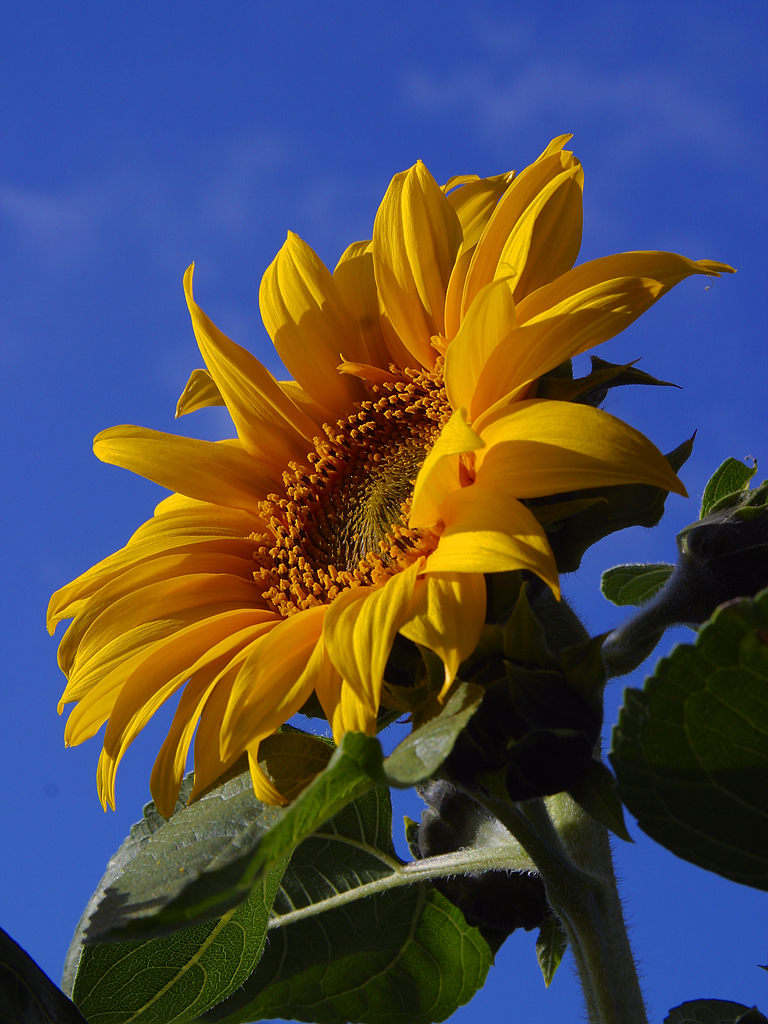 Common sunflowerHelianthus annuus
A tall annual plant grown for its large yellow flower heads and edible seeds
🇨🇦 Canada and 4 more · Wildflower
Common sunflowerHelianthus annuus
A tall annual plant grown for its large yellow flower heads and edible seeds
🇨🇦 Canada and 4 more · Wildflower
 PomegranatePunica granatum
A shrub with bright red flowers and a fruit full of edible seeds
🇮🇷 Iran and 9 more · Flowering shrub
PomegranatePunica granatum
A shrub with bright red flowers and a fruit full of edible seeds
🇮🇷 Iran and 9 more · Flowering shrub
 ApricotPrunus armeniaca
A small fruit tree with early white to pink blossoms and golden-orange fruit
🇨🇳 China and 6 more · Flowering tree
ApricotPrunus armeniaca
A small fruit tree with early white to pink blossoms and golden-orange fruit
🇨🇳 China and 6 more · Flowering tree