
Corsage
A small bouquet worn on the dress or wrist for formal events
A corsage is a small arrangement of flowers worn by women on their dress or wrist at formal occasions such as proms, homecomings, and weddings. Traditionally given by a date or family member, corsages are chosen to match the wearer’s outfit and are often kept as keepsakes.
- Corsages are worn at proms, homecomings, and weddings
- The tradition started in Ancient Greece and evolved over centuries
- Homecoming mums in Texas are large, decorated corsages with ribbons and trinkets
- Corsages are often kept as mementos after the event
- Flowers and ribbons are chosen to complement the wearer’s outfit
What is Corsage?
A corsage is a decorative cluster of flowers, sometimes with added ribbons or trinkets, worn by women for special occasions. It can be pinned to the shoulder of a dress or fastened around the wrist with an elastic band. The flowers are chosen to complement the outfit and may be fresh or artificial. Corsages can be simple, with a single bloom, or more elaborate, featuring several flowers and decorative accents.
Where does Corsage come from?
The custom of wearing flowers dates back to Ancient Greece, where small bunches were worn at weddings. Over centuries, the practice shifted from daily wear to special events. The word 'corsage' comes from French, originally meaning a bouquet worn on the upper body. In the 19th century, corsages became associated with courtship and formal dances, evolving in style as fashion changed. Wrist corsages became popular as dress styles made pinning less practical.
How Corsage is made
Corsages are made by selecting fresh or artificial flowers and arranging them with greenery or decorative items. For wrist corsages, flowers are attached to an elastic band using floral wire and tape or glue. Pin-on corsages use wire for support and are fastened to clothing with a pin. Ribbons and small ornaments may be added for extra flair. The design and size are often tailored to the event and the wearer’s preference.


When and where Corsage is used
Corsages are most often worn at proms, homecomings, weddings, and other formal gatherings. They are usually given as a gift by a date, family member, or friend. In the United States, mothers and grandmothers of the bride and groom may wear corsages at weddings. At school events, couples often coordinate their corsage and boutonnière to show they are attending together. Some people keep their corsages as mementos.
Forms of Corsage
Corsages come in several forms, including wrist corsages, pin-on versions, and hand-held nosegays. In Texas and nearby states, homecoming mums are a unique, elaborate style featuring large artificial flowers, ribbons, and trinkets. These can be custom-made or bought ready-to-wear, with designs growing more ornate over time. Male students may wear a smaller version called a homecoming garter.
What Corsage means
Corsages symbolize honor, affection, and celebration. In the U.S., they are a traditional part of school dances and weddings. The homecoming mum, especially in Texas, has become a rite of passage and a display of school spirit. Corsages are often dried and saved as keepsakes. Their colors and styles are chosen to match the event and the wearer’s attire, highlighting their role in marking special occasions.
The flowers of Corsage
 RoseWoody perennial plants with showy, often fragrant flowers in many colours
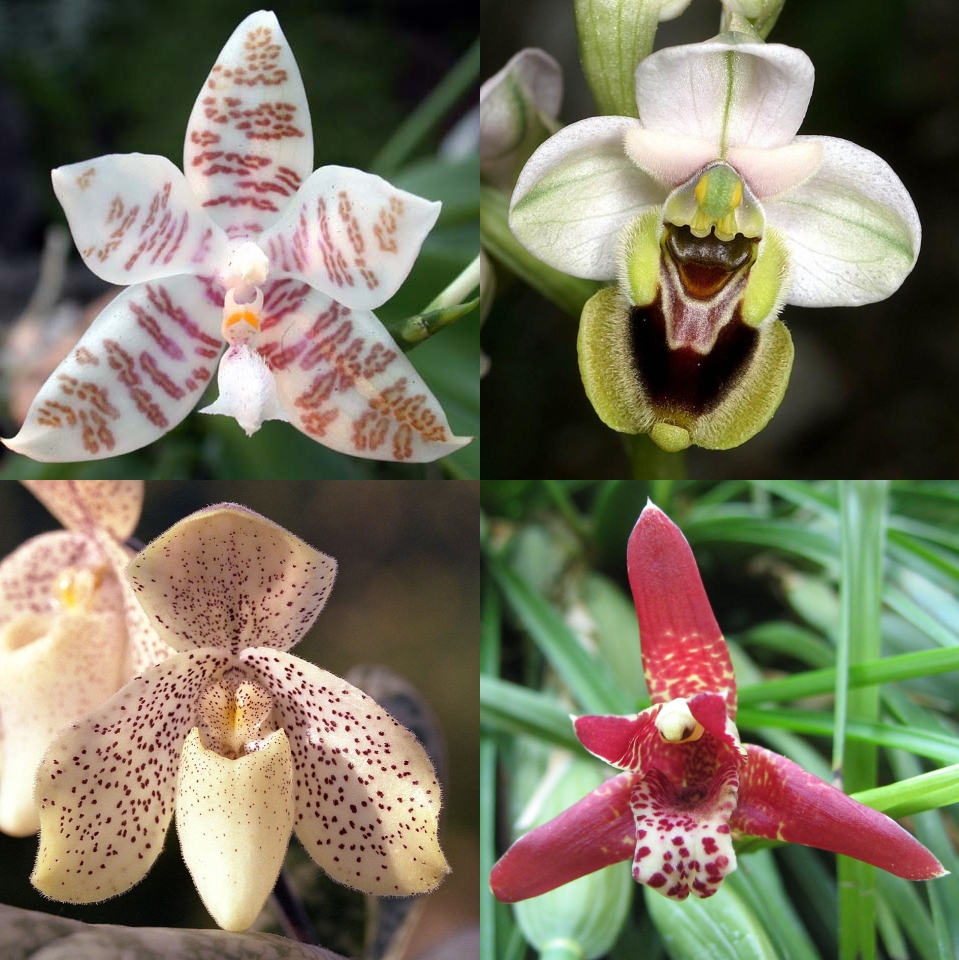 OrchidA vast family of colourful, often fragrant flowers found almost everywhere on earth
 LilyTall bulb flowers with large, colourful blooms in many gardens and cultures
 ChrysanthemumAutumn-blooming flower with thousands of varieties, cherished in East Asia and beyond
 DianthusA group of frilled, often pink, flowers grown in gardens and bouquets worldwideCarnationA fragrant flower with ruffled petals, grown worldwide for decoration and meaning
 Chrysanthemum japonenseA white-flowered perennial daisy native to coastal Shikoku, Japan
 Indian chrysanthemumA yellow or white-flowered chrysanthemum native to China
Traditions that use it
Questions people ask about Corsage
Where did the corsage tradition begin?
The practice of wearing flowers for special occasions began in Ancient Greece, where people wore small bunches of flowers at weddings. The tradition evolved over time and became associated with formal events.
What is a corsage used for?
Corsages are worn at formal events like proms, homecomings, and weddings, often given as a gift to honor the wearer. They are also used to show connection between couples or family members at these gatherings.
How is a corsage worn?
Corsages can be pinned to the shoulder of a dress or worn around the wrist with an elastic band. The style depends on the event and the wearer’s preference.
What flowers are commonly used in corsages?
Popular choices include chrysanthemums, roses, carnations, orchids, lilies, and baby’s breath. Ribbons and artificial flowers may also be used, especially for elaborate designs like homecoming mums.
What does a corsage symbolize?
A corsage represents honor, affection, and celebration. It is a way to recognize someone at a special event and is often kept as a keepsake.
Good reading and sources
The facts on this page come from the Wikipedia article "Corsage", written by its contributors and used under the CC BY-SA 4.0 licence, and from its Wikidata record (CC0). Phool rewrote the text in its own words, with AI assistance, and compares every page with the article to make sure no passage is copied. It may be reused under the same CC BY-SA 4.0 licence with a link back.
It may contain mistakes. If something is wrong, tell us. Last refreshed 2026-10-03.
More of the same kind
 Decoration
Varamalaवरमाला
A flower garland exchanged by bride and groom in Hindu weddings
🇮🇳 India · Garland or wreath
Decoration
Varamalaवरमाला
A flower garland exchanged by bride and groom in Hindu weddings
🇮🇳 India · Garland or wreath
 Decoration
Wreath
A ring-shaped decoration made from flowers, leaves, or other materials
🇬🇷 Greece and 7 more · Arrangement
Decoration
Wreath
A ring-shaped decoration made from flowers, leaves, or other materials
🇬🇷 Greece and 7 more · Arrangement
 Decoration
Laurel wreath
A head or neck wreath made from laurel leaves, symbolizing victory
🇬🇷 Greece and 4 more · Worn flowers
Decoration
Laurel wreath
A head or neck wreath made from laurel leaves, symbolizing victory
🇬🇷 Greece and 4 more · Worn flowers
 Decoration
Garland
A string or braid of flowers, leaves, or other materials for decoration or ceremony
🇮🇳 India and 3 more · Garland or wreath
Decoration
Garland
A string or braid of flowers, leaves, or other materials for decoration or ceremony
🇮🇳 India and 3 more · Garland or wreath