
Chrysanthemum japonense
A white-flowered perennial daisy native to coastal Shikoku, Japan
Chrysanthemum japonense is a perennial plant with white flower heads and small leaves, found only in coastal parts of Shikoku, Japan. It blooms from October to December and is the floral emblem of Hyōgo Prefecture. The plant is also used to produce a unique alcohol.
- Endemic to coastal Shikoku, Japan
- Blooms from October to December
- White daisy-like flowers 3–4.5 cm wide
- Floral emblem of Hyōgo Prefecture
- Used to make nojigiku alcohol
What does Chrysanthemum japonense look like?
Chrysanthemum japonense is a perennial member of the daisy family. Its leaves are small, measuring about 3 to 5 cm long. The flower heads are also modest in size, around 3 to 4.5 cm across, with white petals. The plant forms clusters of these daisy-like flowers, giving a clean, simple look typical of wild roadside chrysanthemums.
Where does Chrysanthemum japonense come from?
This species is native only to Japan, specifically the coastal areas of Shikoku in Kochi and Ehime prefectures. It is not found growing naturally outside this region. The plant is sometimes called ashizuri noji-giku in Japanese, referring to its presence near Cape Ashizuri. Over time, it became recognized as a symbol for Hyōgo Prefecture. Its conservation status is semi-endangered due to its limited range.
When and how Chrysanthemum japonense blooms
Chrysanthemum japonense blooms from October to December. It grows as a perennial, returning each year. The plant prefers the mild, coastal climate of southern Shikoku. It is usually found in the wild but can be grown in gardens with similar conditions. The flowers develop on established plants each autumn.
How Chrysanthemum japonense is used
People in Japan value Chrysanthemum japonense as a symbol, especially in Hyōgo Prefecture where it serves as the floral emblem. The plant is also used industrially for making nojigiku alcohol, a product derived from its unique compounds. Its main role, however, remains as a regional wildflower and symbol.
Kinds of Chrysanthemum japonense
No notable cultivated varieties or subspecies are mentioned in the sources. The plant is mainly known in its wild form, particularly in the Ashizuri area of Shikoku.
What Chrysanthemum japonense means
Chrysanthemum japonense holds cultural significance as the floral emblem of Hyōgo Prefecture. Its restricted range and status as semi-endangered have made it a focus for conservation in Japan. The plant is sometimes referred to as gold or silver chrysanthemum in English, reflecting its valued place among Japanese wildflowers.
Where Chrysanthemum japonense is used and seen
 GarlandA string or braid of flowers, leaves, or other materials for decoration or ceremony
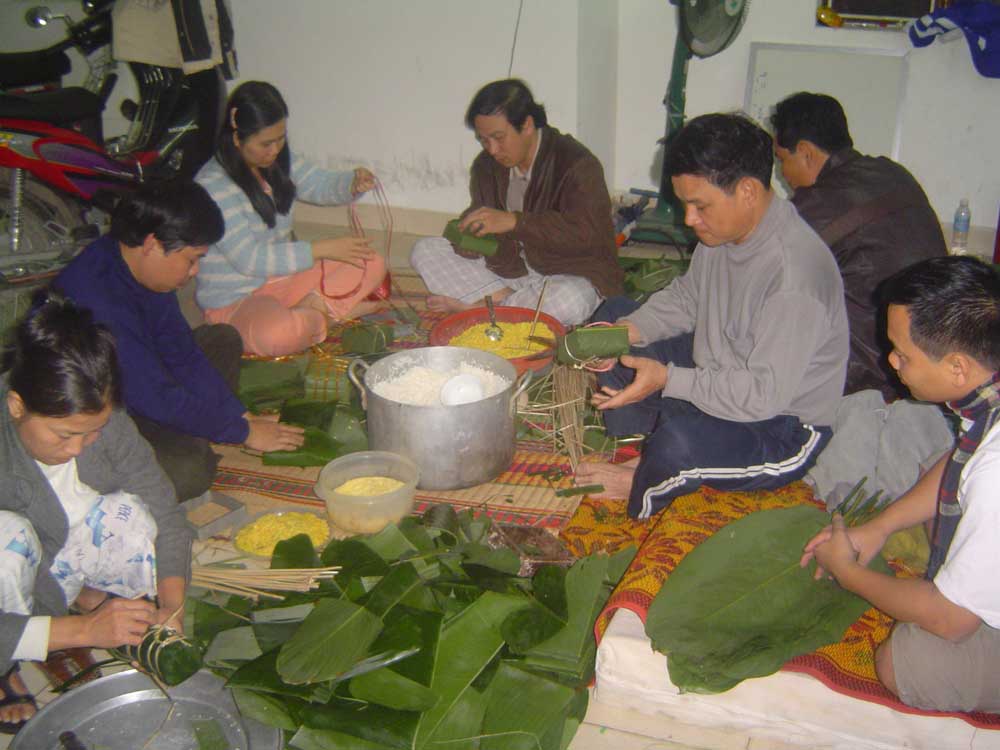 TếtVietnam's spring new year festival with flowers, family, and lucky customs
 Parc Floral de la SourceA large public garden in Orléans built around the source of the Loiret river
 Bagh-e-JinnahA historic botanical garden and park in central Lahore, Pakistan
 Makino Botanical GardenA botanical garden and museum in Kōchi, Japan, honouring Tomitaro Makino
 ChabanaSimple flower arrangements for the Japanese tea ceremony
 KanzashiTraditional Japanese hair ornaments, often crafted as folded silk flowers
 Imperial crest of JapanThe 16-petal chrysanthemum emblem of the Japanese emperor and imperial family
Questions people ask about Chrysanthemum japonense
Where does Chrysanthemum japonense come from?
Chrysanthemum japonense is native only to Japan, specifically the coastal areas of Kochi and Ehime prefectures on Shikoku island.
What does Chrysanthemum japonense look like?
It is a perennial plant with small leaves about 3–5 cm long and white flower heads 3–4.5 cm across, resembling a daisy.
When does Chrysanthemum japonense flower?
It typically blooms from October to December each year in Japan.
What is Chrysanthemum japonense used for?
It is the floral emblem of Hyōgo Prefecture and is also used to produce nojigiku alcohol.
Is Chrysanthemum japonense endangered?
It is classified as semi-endangered due to its limited natural range in coastal Shikoku, Japan.
Good reading and sources
- Plants of the World OnlineRoyal Botanic Gardens, Kew, Plant database
- Where it has been recordedGBIF, Plant database
- Chrysanthemum japonense on WikipediaEncyclopedia
- More photos on Wikimedia CommonsPhotos
- Wikidata recordOpen data
The facts on this page come from the Wikipedia article "Chrysanthemum japonense", written by its contributors and used under the CC BY-SA 4.0 licence, and from its Wikidata record (CC0). Phool rewrote the text in its own words, with AI assistance, and compares every page with the article to make sure no passage is copied. It may be reused under the same CC BY-SA 4.0 licence with a link back.
It may contain mistakes. It is not medical or foraging advice: many flowers are poisonous, and traditional uses are reported, not recommended. If something is wrong, tell us. Last refreshed 2026-10-03.
Others in the family Asteraceae
The whole family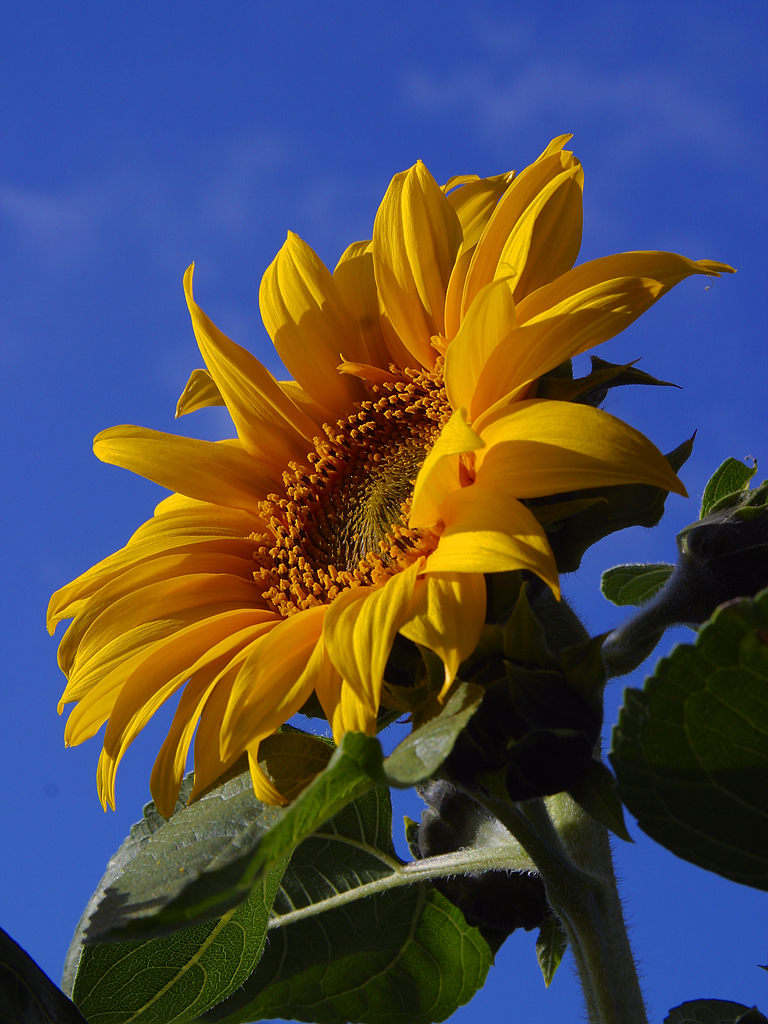 Common sunflowerHelianthus annuus
A tall annual plant grown for its large yellow flower heads and edible seeds
🇨🇦 Canada and 4 more · Wildflower
Common sunflowerHelianthus annuus
A tall annual plant grown for its large yellow flower heads and edible seeds
🇨🇦 Canada and 4 more · Wildflower
 Asteraceae
The vast family of daisies, asters, and sunflowers with star-like flower heads
Asteraceae · Wildflower
Asteraceae
The vast family of daisies, asters, and sunflowers with star-like flower heads
Asteraceae · Wildflower
 DandelionTaraxacum
A yellow-flowered perennial found in fields, lawns, and gardens worldwide
Taraxacum · Wildflower
DandelionTaraxacum
A yellow-flowered perennial found in fields, lawns, and gardens worldwide
Taraxacum · Wildflower
 Dahlia
A bushy perennial with tuberous roots and bright, star-shaped blooms
🇲🇽 Mexico and 1 more · Garden flower
Dahlia
A bushy perennial with tuberous roots and bright, star-shaped blooms
🇲🇽 Mexico and 1 more · Garden flower
More from Japan
All the flowers of Japan PeachPrunus persica
A flowering fruit tree from China, grown for its pink blossoms and sweet fruit
🇨🇳 China and 7 more · Flowering tree
PeachPrunus persica
A flowering fruit tree from China, grown for its pink blossoms and sweet fruit
🇨🇳 China and 7 more · Flowering tree
 BirchBetula
Slender trees with papery bark found across the northern world
🇨🇳 China and 7 more · Wildflower
BirchBetula
Slender trees with papery bark found across the northern world
🇨🇳 China and 7 more · Wildflower
 Chrysanthemum菊花
Autumn-blooming flower with thousands of varieties, cherished in East Asia and beyond
🇨🇳 China and 6 more · Wildflower
Chrysanthemum菊花
Autumn-blooming flower with thousands of varieties, cherished in East Asia and beyond
🇨🇳 China and 6 more · Wildflower
 Sacred lotusNelumbo nucifera
The pink aquatic flower sacred in Asia and grown for food, worship and beauty
🇮🇳 India and 7 more · Water flower
Sacred lotusNelumbo nucifera
The pink aquatic flower sacred in Asia and grown for food, worship and beauty
🇮🇳 India and 7 more · Water flower