
Chabana
In its own language: 茶花
Simple flower arrangements for the Japanese tea ceremony
Chabana is the style of arranging flowers for display at Japanese tea ceremonies. It uses seasonal plants in a natural, spontaneous way, following the nageire or 'thrown-in' method. Chabana arrangements are placed to enhance the mood of the gathering, with an emphasis on simplicity and natural beauty.
- Chabana means 'tea flowers' in Japanese
- Arrangements use the nageire or 'thrown-in' style
- Sen no Rikyū shaped chabana's natural approach
- Flowers are chosen to reflect the season
- Strongly scented or thorny flowers are avoided
What is Chabana?
Chabana is a way of arranging flowers for the Japanese tea ceremony. The style is simple and natural, with flowers placed in a plain vase or basket. Arrangements use seasonal plants and are chosen to suit the occasion and the mood of the gathering. The look is unforced, aiming to reflect how flowers grow in the wild, and the arrangement is often displayed in the tea room to create a calm, welcoming atmosphere.
Where does Chabana come from?
Chabana developed alongside the Japanese tea ceremony, especially with the rise of wabi-cha in the Momoyama period. Sen no Rikyū, a major figure in tea culture, is credited with shaping the nageire style that defines chabana. He taught that flowers should appear as they do in nature. The nageire style, meaning 'thrown in', was a move away from more formal arrangements. The word 'chabana' first appeared in the 18th century, but the practice is older.
How Chabana is made
To make a chabana arrangement, seasonal flowers and plants are selected, avoiding those with strong scents, thorns, or considered inappropriate for tea. The materials are placed simply in a vase or basket, often with just water, following the nageire style. The arrangement is meant to look natural and uncontrived, as if the flowers were growing in a field. Commonly used flowers include camellia, plum blossom, chrysanthemum, daffodil, and Japanese sweet flag.


When and where Chabana is used
Chabana is used in the Japanese tea ceremony, where it is placed in the tea room to enhance the setting. The arrangement may be displayed with a hanging scroll or on its own, depending on the style of the ceremony. The flowers are chosen to reflect the season and the spirit of the gathering. The practice is closely tied to the customs and aesthetics of Japanese tea culture.
Forms of Chabana
Chabana arrangements vary with the season and the type of tea gathering. Each host may select different flowers and containers, but the nageire style remains central. Some schools of ikebana, such as Sōgetsu-ryū, have their own approaches to chabana, but all share the focus on naturalness and simplicity. The choice of flowers and the way they are arranged can differ depending on the region and the occasion.
What Chabana means
Chabana is valued for its expression of simplicity and the beauty of nature. It is an important part of Japanese tea culture and reflects the ideals of wabi-cha, which emphasize rustic beauty and humility. The practice is guided by the idea that flowers should appear as they do in the wild. Chabana arrangements are not only decorative but also help set the tone for the tea ceremony, connecting guests with the season and the spirit of the event.
The flowers of Chabana
 ChrysanthemumAutumn-blooming flower with thousands of varieties, cherished in East Asia and beyond
 NarcissusSpring-flowering bulbs with trumpet-shaped blooms in white, yellow, and orange
 CamelliaEvergreen shrubs and trees with showy blooms, best known for tea and garden flowers
 Camellia reticulataTall pink-flowered camellia from Yunnan, grown for gardens and tea oil
 Camellia amplexicaulisA pink-flowered camellia tree once found in Vietnam’s forests
 Hong Kong CamelliaA rare camellia tree from Hong Kong with red flowers
 Chrysanthemum japonenseA white-flowered perennial daisy native to coastal Shikoku, Japan
 Indian chrysanthemumA yellow or white-flowered chrysanthemum native to China
Questions people ask about Chabana
What is chabana?
Chabana is the style of arranging flowers for display at Japanese tea ceremonies. It uses seasonal plants in a simple, natural way to enhance the mood of the gathering.
Where does chabana come from?
Chabana developed in Japan alongside the tea ceremony, especially with the rise of wabi-cha in the Momoyama period. Its natural style was shaped by tea master Sen no Rikyū.
What flowers are used in chabana?
Common choices include camellia, plum blossom, chrysanthemum, daffodil, and Japanese sweet flag. Flowers with strong scents or thorns are generally avoided.
How is chabana different from other ikebana styles?
Chabana follows the nageire or 'thrown-in' style, aiming for a natural, unforced look, while other ikebana styles may be more formal or structured.
What does chabana symbolise?
Chabana expresses simplicity and the beauty of nature, reflecting the ideals of Japanese tea culture and the spirit of each season.
Good reading and sources
The facts on this page come from the Wikipedia article "Chabana", written by its contributors and used under the CC BY-SA 4.0 licence, and from its Wikidata record (CC0). Phool rewrote the text in its own words, with AI assistance, and compares every page with the article to make sure no passage is copied. It may be reused under the same CC BY-SA 4.0 licence with a link back.
It may contain mistakes. If something is wrong, tell us. Last refreshed 2026-10-03.
More of the same kind
 Decoration
Bouquet
A creative arrangement of flowers, given or displayed for many occasions
🇨🇳 China and 1 more · Arrangement
Decoration
Bouquet
A creative arrangement of flowers, given or displayed for many occasions
🇨🇳 China and 1 more · Arrangement
 Decoration
Vase
An open container for holding and displaying cut flowers
Arrangement
Decoration
Vase
An open container for holding and displaying cut flowers
Arrangement
 Decoration
Floriculture
The science and business of growing flowers and ornamental plants
Arrangement
Decoration
Floriculture
The science and business of growing flowers and ornamental plants
Arrangement
 Decoration
Nageirebana抛入花
A free-form ikebana style using tall vases and no flower holders
Arrangement
Decoration
Nageirebana抛入花
A free-form ikebana style using tall vases and no flower holders
Arrangement
More from Japan
All the flowers of Japan Decoration
Bonsai盆栽
The Japanese art of shaping miniature trees in shallow pots
🇯🇵 Japan and 7 more · Art or design
Decoration
Bonsai盆栽
The Japanese art of shaping miniature trees in shallow pots
🇯🇵 Japan and 7 more · Art or design
 Decoration
Tokonoma床の間
A Japanese alcove for displaying scrolls and flower arrangements
🇯🇵 Japan · Arrangement
Decoration
Tokonoma床の間
A Japanese alcove for displaying scrolls and flower arrangements
🇯🇵 Japan · Arrangement
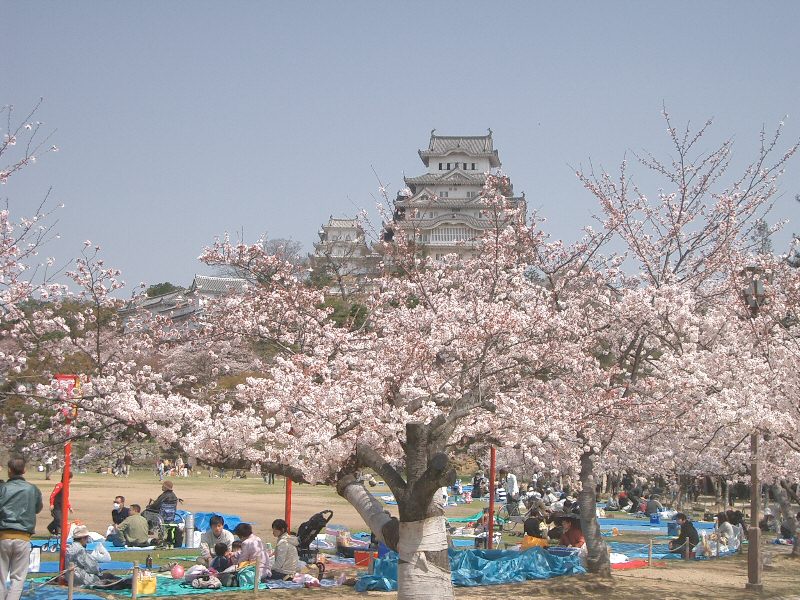 Decoration
Hanami花見
The Japanese tradition of gathering to enjoy cherry blossoms in spring
🇯🇵 Japan and 7 more · Custom, Jan to May
Decoration
Hanami花見
The Japanese tradition of gathering to enjoy cherry blossoms in spring
🇯🇵 Japan and 7 more · Custom, Jan to May
 Decoration
Sōgetsu草月流
A modern school of Japanese ikebana open to all materials and styles
🇯🇵 Japan · Arrangement
Decoration
Sōgetsu草月流
A modern school of Japanese ikebana open to all materials and styles
🇯🇵 Japan · Arrangement