
Sōgetsu
In its own language: 草月流
A modern school of Japanese ikebana open to all materials and styles
Sōgetsu is a school of ikebana, the Japanese art of flower arrangement, founded in 1927 by Sōfū Teshigahara. Known for its open-minded approach, Sōgetsu encourages creativity with any materials and can be practiced anywhere, using both traditional and unconventional forms.
- Founded in 1927 by Sōfū Teshigahara in Japan
- Arrangements can use any material, not just flowers
- Known for both traditional and avant-garde styles
- Emphasizes three main elements in each design
What is Sōgetsu?
Sōgetsu is a style of ikebana, the Japanese art of arranging flowers. Arrangements can be made in tall, narrow vases or in shallow dishes called suiban, where flowers and branches are fixed with a hidden spiked holder called a kenzan. Designs range from simple, small pieces to large, elaborate displays that can fill a hall. Sōgetsu emphasizes three strong elements in each arrangement, but allows for much freedom in choice of materials and form.
Where does Sōgetsu come from?
Sōgetsu was founded in 1927 by Sōfū Teshigahara, who wanted to move beyond the strict rules of traditional ikebana. Inspired by painting and the creative possibilities of plant materials, he established the school to encourage individual expression. Sōgetsu was promoted through radio and was among the first ikebana schools to publish English textbooks. The school remains led by the Teshigahara family, with Akane Teshigahara as the current headmaster.
How Sōgetsu is made
Arrangements in Sōgetsu can be created using any kind of material, from flowers and branches to unconventional objects. The two main styles use either a tall vase (Nageire) or a shallow dish (Moribana). In Moribana, materials are fixed with a kenzan. The school teaches that arrangements should have three main elements, but encourages adapting to the materials and space available.

When and where Sōgetsu is used
Sōgetsu arrangements are made for homes, exhibitions, and public spaces. The school’s philosophy is that anyone can practice Sōgetsu, anywhere and at any time, using whatever materials are at hand. Arrangements can be simple for everyday enjoyment or complex for special displays and events.
Forms of Sōgetsu
Sōgetsu allows for a wide range of styles, from traditional forms to avant-garde and large-scale installations. Arrangements may be small and personal or fill entire rooms. The school’s flexibility has inspired practitioners worldwide, and master instructors like Kōka Fukushima have held classes internationally.
What Sōgetsu means
Sōgetsu is known for its open and creative spirit, summed up in its credo: anyone can do Sōgetsu anywhere, anytime, with any material. The school has played a major role in modernizing ikebana and making it accessible globally. Its headquarters was designed by architect Kenzo Tange, and it has influenced artists and designers beyond Japan.
Questions people ask about Sōgetsu
What is Sōgetsu?
Sōgetsu is a school of Japanese ikebana, or flower arrangement, that encourages creative expression with any materials and can be practiced anywhere, by anyone.
Where did Sōgetsu originate?
Sōgetsu was founded in Japan in 1927 by Sōfū Teshigahara, who wanted to break away from traditional ikebana rules and promote individual creativity.
How is Sōgetsu different from other ikebana schools?
Unlike traditional schools, Sōgetsu allows for arrangements with any materials and in any style, from simple to highly elaborate, focusing on personal expression.
What containers are used in Sōgetsu arrangements?
Sōgetsu uses tall vases, often made from bamboo, and shallow dishes called suiban, with flowers fixed in place by a hidden spiked holder called a kenzan.
Who leads the Sōgetsu school today?
The current headmaster is Akane Teshigahara, the granddaughter of the founder, Sōfū Teshigahara.
Good reading and sources
The facts on this page come from the Wikipedia article "Sōgetsu-ryū", written by its contributors and used under the CC BY-SA 4.0 licence, and from its Wikidata record (CC0). Phool rewrote the text in its own words, with AI assistance, and compares every page with the article to make sure no passage is copied. It may be reused under the same CC BY-SA 4.0 licence with a link back.
It may contain mistakes. If something is wrong, tell us. Last refreshed 2026-10-03.
More of the same kind
 Decoration
Vase
An open container for holding and displaying cut flowers
Arrangement
Decoration
Vase
An open container for holding and displaying cut flowers
Arrangement
 Decoration
Floriculture
The science and business of growing flowers and ornamental plants
Arrangement
Decoration
Floriculture
The science and business of growing flowers and ornamental plants
Arrangement
 Decoration
Ikebana華道
The Japanese art of arranging flowers with form and meaning
🇯🇵 Japan · Arrangement
Decoration
Ikebana華道
The Japanese art of arranging flowers with form and meaning
🇯🇵 Japan · Arrangement
 Decoration
Nageirebana抛入花
A free-form ikebana style using tall vases and no flower holders
Arrangement
Decoration
Nageirebana抛入花
A free-form ikebana style using tall vases and no flower holders
Arrangement
More from Japan
All the flowers of Japan Decoration
Tokonoma床の間
A Japanese alcove for displaying scrolls and flower arrangements
🇯🇵 Japan · Arrangement
Decoration
Tokonoma床の間
A Japanese alcove for displaying scrolls and flower arrangements
🇯🇵 Japan · Arrangement
 Decoration
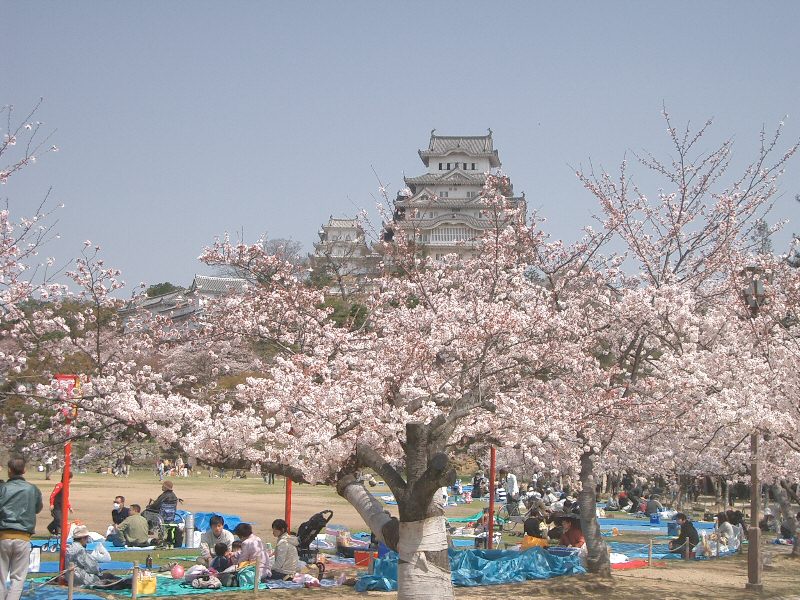
Hanami花見
The Japanese tradition of gathering to enjoy cherry blossoms in spring
🇯🇵 Japan and 7 more · Custom, Jan to May
Decoration
Hanami花見
The Japanese tradition of gathering to enjoy cherry blossoms in spring
🇯🇵 Japan and 7 more · Custom, Jan to May
 Decoration
Bouquet
A creative arrangement of flowers, given or displayed for many occasions
🇨🇳 China and 1 more · Arrangement
Decoration
Bouquet
A creative arrangement of flowers, given or displayed for many occasions
🇨🇳 China and 1 more · Arrangement
 Decoration
Bonsai盆栽
The Japanese art of shaping miniature trees in shallow pots
🇯🇵 Japan and 7 more · Art or design
Decoration
Bonsai盆栽
The Japanese art of shaping miniature trees in shallow pots
🇯🇵 Japan and 7 more · Art or design