
Bonsai
In its own language: 盆栽
The Japanese art of shaping miniature trees in shallow pots
Bonsai is the Japanese tradition of cultivating small trees in containers, carefully trained to resemble mature trees in nature. Originating from earlier Chinese practices, bonsai developed its own style and techniques in Japan over centuries and is now practiced worldwide for artistic enjoyment and contemplation.
- Bonsai is the Japanese art of growing miniature trees in pots
- It developed from the Chinese practice of penjing
- Bonsai trees can live for centuries and some are national treasures
- Major bonsai exhibitions are held in Japan and around the world
- Bonsai uses pruning and training, not genetic dwarfing
What is Bonsai?
Bonsai involves growing small trees in shallow pots, shaping them through careful pruning and training to create the look of a mature tree in nature. The trees can be of many species, chosen for features like small leaves or textured bark. Bonsai are displayed alone or in groups, often with simple pots that highlight the tree’s form. The overall effect is meant to evoke the beauty and character of full-sized trees, but in a compact, living form.
Where does Bonsai come from?
Bonsai has its roots in the Chinese art of penjing, which was brought to Japan by travelers and Buddhist monks from the 6th century. Over time, Japanese growers developed their own approaches, focusing on the tree itself and simplifying the display by removing figurines and elaborate decorations. The word 'bonsai' refers to planting in a shallow container and became the standard term in Japan in the 19th century. Bonsai has since become a recognized art form, with a long history of exhibitions and publications.
How Bonsai is made
To create a bonsai, growers start with young trees or cuttings, sometimes collected from the wild. The tree is pruned and shaped over years, with roots and branches trimmed to maintain its small size and desired form. Once the tree is close to its final shape, it is placed in a shallow display pot. Regular care, including watering, pruning, and sometimes wiring branches, helps maintain the miniature appearance and health of the tree.


When and where Bonsai is used
Bonsai are kept for enjoyment, artistic expression, and as a hobby. They are displayed in homes, gardens, and exhibitions, where viewers appreciate their form and the skill involved in their creation. Bonsai are not grown for food or medicine. In Japan and beyond, bonsai shows and conventions attract enthusiasts and highlight outstanding specimens.
Forms of Bonsai
Bonsai can be made from many tree and shrub species, each offering different leaf shapes, bark textures, and growth habits. Styles vary from upright to cascading forms, and some trees are trained as groups or forests. There are also size categories, from tiny shohin bonsai to larger specimens. Techniques and aesthetics may differ between regions and schools of practice.
What Bonsai means
Bonsai is closely tied to Japanese culture and Zen Buddhist aesthetics, emphasizing simplicity and natural beauty. It has appeared in art, literature, and even as a motif in textiles. Some bonsai trees are centuries old and considered national treasures in Japan. International exhibitions and conventions celebrate bonsai as a living art, with Japan remaining a central hub for the tradition.
Questions people ask about Bonsai
Where did bonsai originate?
Bonsai began in Japan, influenced by the earlier Chinese art of penjing. It developed its own style and traditions in Japan over many centuries.
What is the purpose of bonsai?
Bonsai is grown for artistic enjoyment, contemplation, and as a hobby. It is not used for food or medicine, but as a living art form.
How is a bonsai tree made?
A bonsai tree is created by pruning and shaping a young tree or cutting, then growing it in a shallow pot. Regular trimming and training keep it small and maintain its form.
What species can be used for bonsai?
Many types of trees and shrubs can be used for bonsai, especially those with small leaves or interesting bark. The key is that they can be trained to stay small and have true branches.
What does bonsai symbolize?
Bonsai reflects Japanese aesthetics and Zen Buddhist ideas, focusing on simplicity, patience, and the beauty of nature in miniature form.
Good reading and sources
The facts on this page come from the Wikipedia article "Bonsai", written by its contributors and used under the CC BY-SA 4.0 licence, and from its Wikidata record (CC0). Phool rewrote the text in its own words, with AI assistance, and compares every page with the article to make sure no passage is copied. It may be reused under the same CC BY-SA 4.0 licence with a link back.
It may contain mistakes. If something is wrong, tell us. Last refreshed 2026-10-03.
More of the same kind
 Decoration
Rangoliरंगोली
Indian floor art made with coloured powders, rice, or petals for festivals and daily welcome
🇮🇳 India and 1 more · Carpet or floor pattern
Decoration
Rangoliरंगोली
Indian floor art made with coloured powders, rice, or petals for festivals and daily welcome
🇮🇳 India and 1 more · Carpet or floor pattern
 Decoration
Ashtamangalaअष्टमङ्गल
A sacred set of eight auspicious symbols in Indian religions
🇮🇳 India and 1 more · Art or design
Decoration
Ashtamangalaअष्टमङ्गल
A sacred set of eight auspicious symbols in Indian religions
🇮🇳 India and 1 more · Art or design
 Decoration
Paisleyبته
A curved teardrop motif from Iran and India, now used worldwide on textiles
🇮🇷 Iran and 8 more · Art or design
Decoration
Paisleyبته
A curved teardrop motif from Iran and India, now used worldwide on textiles
🇮🇷 Iran and 8 more · Art or design
 Decoration
Nageirebana抛入花
A free-form ikebana style using tall vases and no flower holders
Arrangement
Decoration
Nageirebana抛入花
A free-form ikebana style using tall vases and no flower holders
Arrangement
More from Japan
All the flowers of Japan Decoration
Tokonoma床の間
A Japanese alcove for displaying scrolls and flower arrangements
🇯🇵 Japan · Arrangement
Decoration
Tokonoma床の間
A Japanese alcove for displaying scrolls and flower arrangements
🇯🇵 Japan · Arrangement
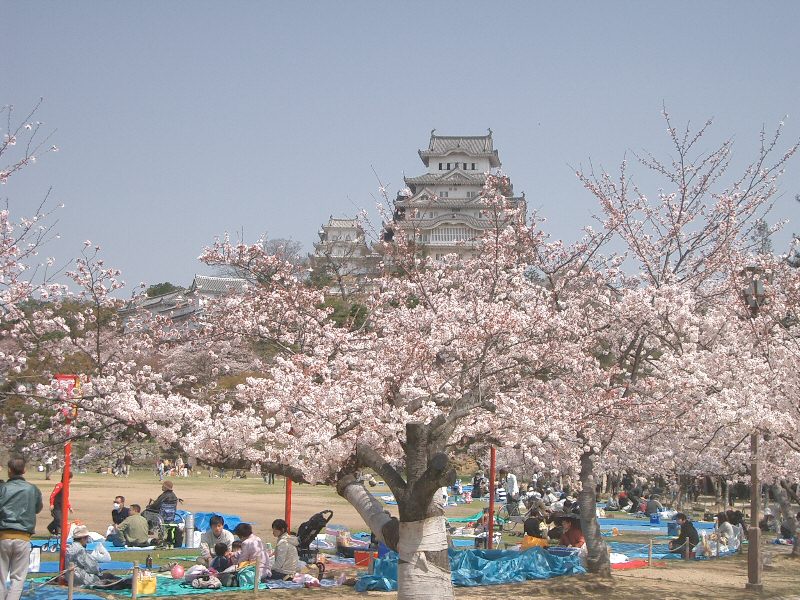 Decoration
Hanami花見
The Japanese tradition of gathering to enjoy cherry blossoms in spring
🇯🇵 Japan and 7 more · Custom, Jan to May
Decoration
Hanami花見
The Japanese tradition of gathering to enjoy cherry blossoms in spring
🇯🇵 Japan and 7 more · Custom, Jan to May
 Decoration
Bouquet
A creative arrangement of flowers, given or displayed for many occasions
🇨🇳 China and 1 more · Arrangement
Decoration
Bouquet
A creative arrangement of flowers, given or displayed for many occasions
🇨🇳 China and 1 more · Arrangement
 Decoration
Sōgetsu草月流
A modern school of Japanese ikebana open to all materials and styles
🇯🇵 Japan · Arrangement
Decoration
Sōgetsu草月流
A modern school of Japanese ikebana open to all materials and styles
🇯🇵 Japan · Arrangement