
Bouquet
A creative arrangement of flowers, given or displayed for many occasions
A bouquet is a group of flowers arranged together, often given as a gift or used for decoration. Bouquets come in many shapes and styles, from simple nosegays to elaborate cascading forms, and are used for weddings, celebrations, and as symbols in different cultures.
- Bouquets have been arranged since ancient Egypt, around 2500 BCE.
- The nosegay or tussie-mussie was a popular Victorian gift with hidden meanings.
- Bridal bouquets are tossed at weddings, a custom linked to luck in marriage.
- Ikebana, the Japanese art of flower arranging, influenced Western bouquet styles.
- Bouquets are used in ceremonies from funerals to Olympic medal presentations.
What is Bouquet?
A bouquet is a collection of flowers arranged in a pleasing way, either to hold in the hand or to display in a vase. Bouquets can be small and round, like a nosegay, or large and flowing, like a cascading bouquet. Some are tightly packed and dome-shaped, while others are loose and informal. They may include greenery and decorative wrapping. Bouquets are made with many kinds of flowers, from roses and tulips to exotic blooms like orchids and proteas.
Where does Bouquet come from?
Arranging flowers into bouquets has ancient roots. The oldest known vase arrangements are from Egypt around 2500 BCE, using lotus, herbs, and palms. In China and Japan, arranging flowers became a refined art, with ikebana in Japan emphasizing simplicity and form. The practice spread to Europe, where Dutch painters depicted informal bouquets and, by the 18th century, arrangements decorated the homes of the wealthy. The language of flowers, assigning meanings to each bloom, began in Asia and the Middle East and reached England in the 18th century.
How Bouquet is made
Bouquets are made by selecting flowers and foliage for their color, shape, and meaning. Flowers are trimmed and grouped, often around a central bloom, and tied or placed in a holder. Styles range from the round posy and nosegay to the arm-held presentation bouquet and the trailing cascade. Some, like the tussie-mussie, are arranged in small metal holders. Materials can be chosen for value, fashion, or symbolism, and bouquets may be wrapped in paper or ribbon.
![Contributor(s): Bolet Peraza, N. (Nicanor), 1838-1906, issuing body Publication: [New York, N.Y.?] : [Dr. N. Bolet?], [between 1905 and 1915?] Language(s): panish Format: Still image Subject(s): Nonprescription, Drugs Wo](https://thumb.wikimedia.org/wikipedia/commons/thumb/7/75/Advertisement_for_the_Pildoras_Tocologias_for_women_by_Dr._Nicanor_Bolet_Peraza.jpg/960px-Advertisement_for_the_Pildoras_Tocologias_for_women_by_Dr._Nicanor_Bolet_Peraza.jpg)


When and where Bouquet is used
Bouquets are given for birthdays, anniversaries, funerals, and especially weddings, where the bride carries one and tosses it to guests. They are also used in ceremonies like graduations and Olympic medal presentations. In some faiths, flowers in bouquets are offered in worship or as ritual gifts. The tradition of exchanging bouquets with symbolic flowers, especially in the Victorian era, allowed people to send messages without words.
Forms of Bouquet
There are many bouquet styles. Nosegays and tussie-mussies are small and round, often with symbolic meanings. Cascading bouquets are large and tapering, popularized by royal weddings. The presentation bouquet is long-stemmed and carried in the arm. Ramo Buchon is a modern, tightly packed rose bouquet wrapped in decorative paper. Each style can use different flowers and greenery, and trends change over time.
What Bouquet means
Bouquets carry deep meaning in many cultures. In China, certain flowers in a bouquet represent the seasons. The language of flowers, once popular in Victorian England, let people send coded messages. Bouquets are central to wedding customs, with the tossing of the bouquet linked to myths of luck and marriage. In Buddhist and Christian traditions, bouquets are used in rituals and as offerings. The art of arranging bouquets, or floristry, is a craft with a long history.
The flowers of Bouquet
 RoseWoody perennial plants with showy, often fragrant flowers in many colours
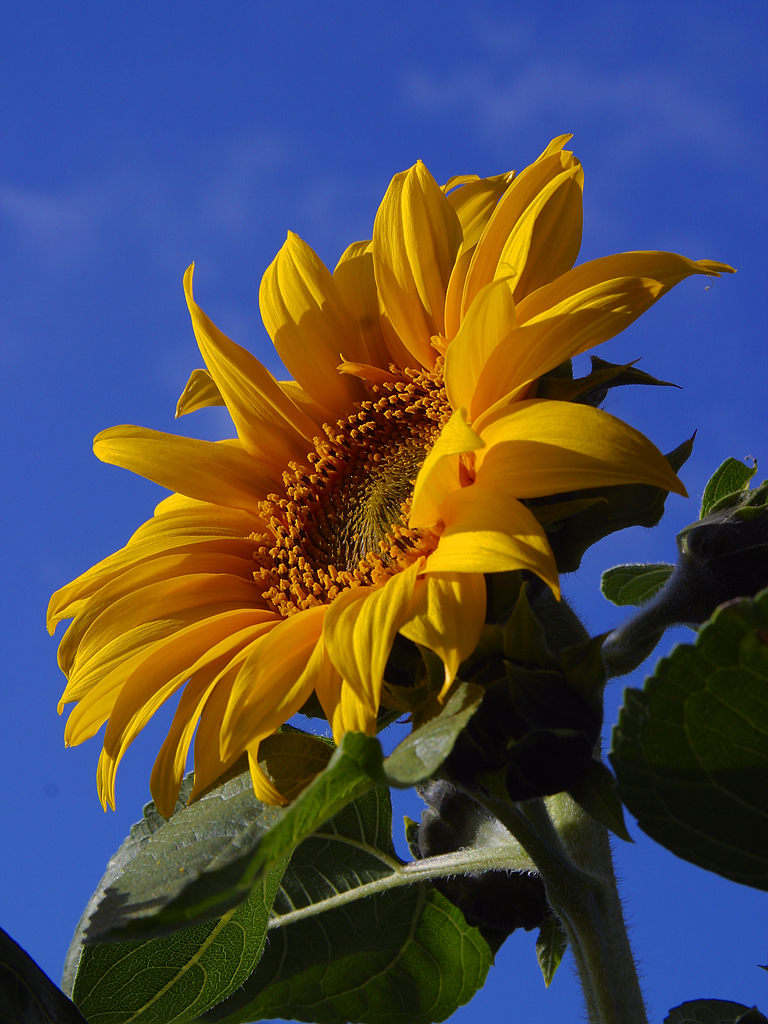 Common sunflowerA tall annual plant grown for its large yellow flower heads and edible seeds
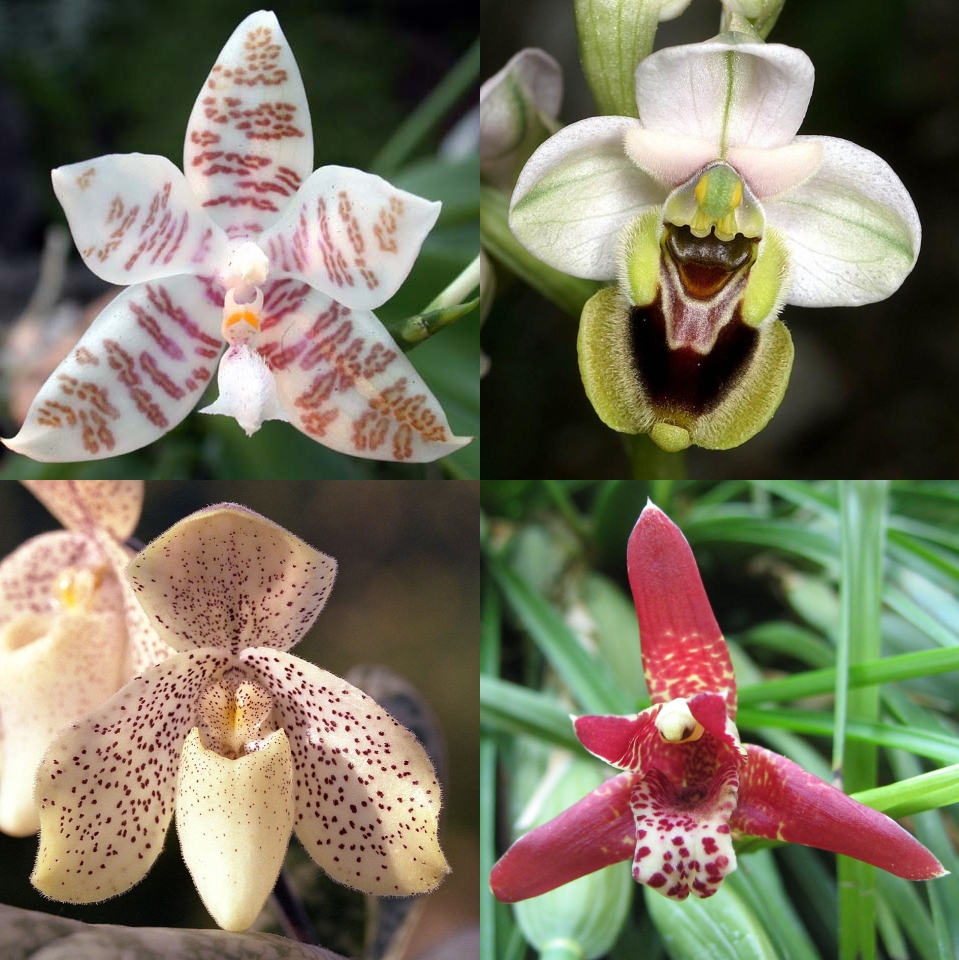 OrchidA vast family of colourful, often fragrant flowers found almost everywhere on earth
 TulipSpring-blooming bulbs with showy, cup-shaped flowers in many colours
 Sacred lotusThe pink aquatic flower sacred in Asia and grown for food, worship and beauty
 IrisA large group of perennial flowers with striking, six-lobed blooms
 AnemonePerennial wildflowers with colorful, petal-like sepals known as windflowers
 LotusAquatic plants with large, round leaves and striking flowers called lotus
Traditions that use it
Questions people ask about Bouquet
What is a bouquet?
A bouquet is a group of flowers arranged together, either to be held or displayed. Bouquets are used for decoration, as gifts, and in ceremonies such as weddings and funerals.
Where did the tradition of bouquets come from?
Bouquet arranging dates back to ancient Egypt, with evidence from around 2500 BCE. The art developed in China and Japan, and later in Europe, where it became popular in homes and ceremonies.
What are some common types of bouquets?
Common types include the round posy or nosegay, the large cascading bouquet, the arm-held presentation bouquet, and modern styles like the tightly packed Ramo Buchon.
What do bouquets symbolize?
Bouquets can carry symbolic meanings, especially when specific flowers are chosen for their traditional associations. In the Victorian era, bouquets were used to send messages through the 'language of flowers.'
How are bouquets used in weddings?
In weddings, the bride carries a bouquet, which is often tossed to guests after the ceremony. The person who catches it is said to be next in line to marry, a tradition with roots in old myths.
Good reading and sources
- Flower bouquet on WikipediaEncyclopedia
- More photos on Wikimedia CommonsPhotos
- Wikidata recordOpen data
The facts on this page come from the Wikipedia article "Flower bouquet", written by its contributors and used under the CC BY-SA 4.0 licence, and from its Wikidata record (CC0). Phool rewrote the text in its own words, with AI assistance, and compares every page with the article to make sure no passage is copied. It may be reused under the same CC BY-SA 4.0 licence with a link back.
It may contain mistakes. If something is wrong, tell us. Last refreshed 2026-10-03.
More of the same kind
 Decoration
Nageirebana抛入花
A free-form ikebana style using tall vases and no flower holders
Arrangement
Decoration
Nageirebana抛入花
A free-form ikebana style using tall vases and no flower holders
Arrangement
 Decoration
Tokonoma床の間
A Japanese alcove for displaying scrolls and flower arrangements
🇯🇵 Japan · Arrangement
Decoration
Tokonoma床の間
A Japanese alcove for displaying scrolls and flower arrangements
🇯🇵 Japan · Arrangement
 Decoration
Vase
An open container for holding and displaying cut flowers
Arrangement
Decoration
Vase
An open container for holding and displaying cut flowers
Arrangement
 Decoration
Sōgetsu草月流
A modern school of Japanese ikebana open to all materials and styles
🇯🇵 Japan · Arrangement
Decoration
Sōgetsu草月流
A modern school of Japanese ikebana open to all materials and styles
🇯🇵 Japan · Arrangement
More from China
All the flowers of China Decoration
History of flower arrangement
How arranging flowers became an art across cultures and centuries
🇪🇬 Egypt and 3 more · Arrangement
Decoration
History of flower arrangement
How arranging flowers became an art across cultures and centuries
🇪🇬 Egypt and 3 more · Arrangement
 Decoration
Bonsai盆栽
The Japanese art of shaping miniature trees in shallow pots
🇯🇵 Japan and 7 more · Art or design
Decoration
Bonsai盆栽
The Japanese art of shaping miniature trees in shallow pots
🇯🇵 Japan and 7 more · Art or design
 Decoration
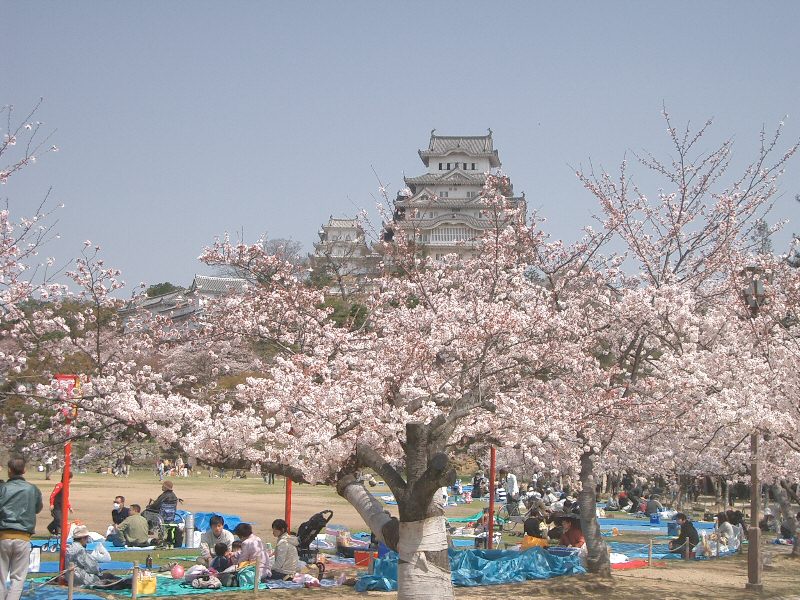
Hanami花見
The Japanese tradition of gathering to enjoy cherry blossoms in spring
🇯🇵 Japan and 7 more · Custom, Jan to May
Decoration
Hanami花見
The Japanese tradition of gathering to enjoy cherry blossoms in spring
🇯🇵 Japan and 7 more · Custom, Jan to May
 Decoration
Cut flowers
Fresh flowers and buds trimmed for decoration and display
🇳🇱 Netherlands and 6 more · Arrangement
Decoration
Cut flowers
Fresh flowers and buds trimmed for decoration and display
🇳🇱 Netherlands and 6 more · Arrangement