
Ikebana
In its own language: 華道
The Japanese art of arranging flowers with form and meaning
Ikebana is the Japanese art of flower arrangement, also called kadō, meaning 'way of flowers'. It began as a religious offering and grew into a refined art, with many schools and styles. Arrangements use seasonal flowers and branches, focusing on line, balance, and simplicity, and are displayed in homes and ceremonies.
- Ikebana means 'giving life to flowers' in Japanese.
- It began as a religious offering to deities and ancestors.
- The Ikenobō school is the oldest, dating to the 8th century.
- Arrangements focus on line, balance, and seasonal beauty.
- Ikebana is practiced in homes, temples, and at festivals.
What is Ikebana?
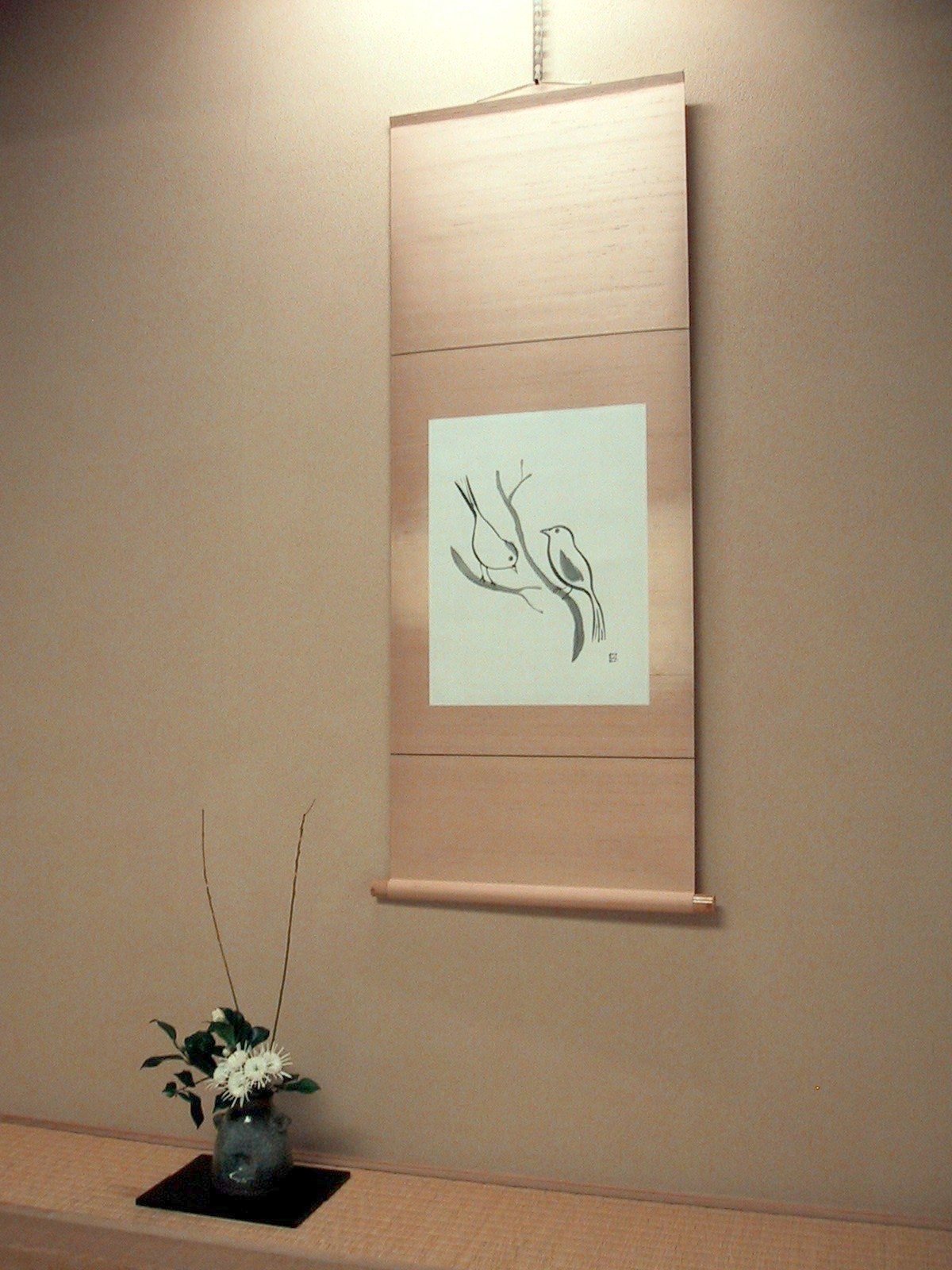
Ikebana is the Japanese art of arranging flowers, branches, and leaves in a way that highlights their natural lines and forms. Arrangements are often simple but carefully composed, using seasonal plants. The style values space, balance, and asymmetry, with each element placed thoughtfully. Ikebana pieces are displayed in homes, especially in a special alcove called the tokonoma, and at ceremonies or festivals.
Where does Ikebana come from?
Ikebana traces its roots to ancient Japanese customs of placing evergreen branches and flowers as offerings to invite deities. It became linked to Buddhist practice, where flowers were arranged for temple altars. Over centuries, the art moved from religious settings to homes, especially as part of interior decoration. The practice developed many styles and schools, with influences from both Shinto and Buddhist beliefs. By the 15th century, it had become a refined art supported by the nobility and samurai.
How Ikebana is made
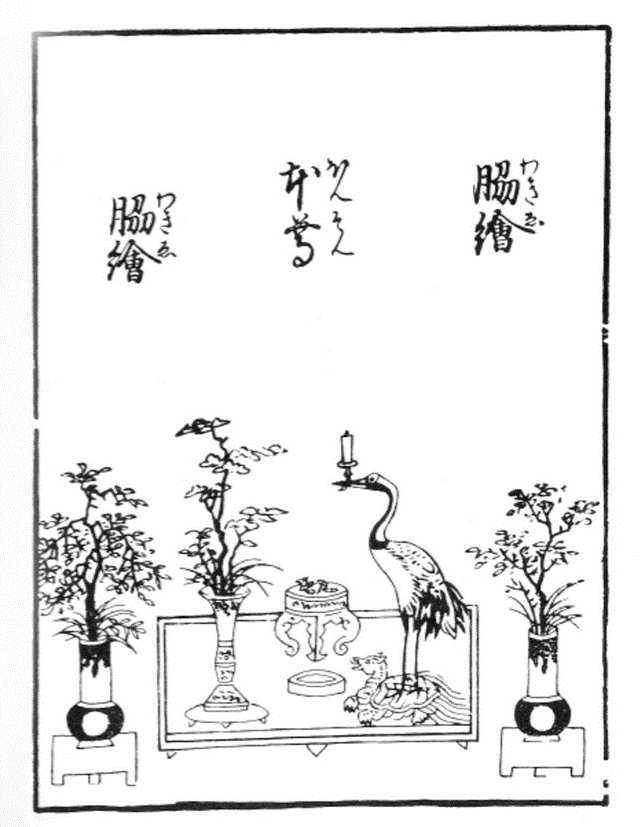
Arrangements are created by selecting seasonal flowers and branches, then placing them in a vase or container. The process follows principles of line, balance, and harmony, often representing elements like heaven, earth, and humanity. Some styles are formal and structured, while others are more natural and free. The choice of materials and the shape of the arrangement depend on the school and the occasion.


When and where Ikebana is used
Ikebana is practiced in homes, at ceremonies, and as offerings at Buddhist and Shinto altars. It is also part of festivals and cultural events. Many people learn ikebana as a form of self-cultivation and artistic expression. Arrangements are displayed in the tokonoma alcove or used to mark special occasions. The art is taught in schools and passed down through generations.
Forms of Ikebana
There are many schools of ikebana, each with its own style and rules. The Ikenobō school is the oldest, dating back to the 8th century. Other well-known schools include Enshū-ryū, Mishō-ryū, Ko-ryū, and Sōgetsu. Styles range from formal and upright (rikka) to natural and free (nageirebana). Each school interprets the principles of line, space, and balance in its own way.
What Ikebana means
Ikebana is one of Japan's classical arts of refinement, alongside tea ceremony and incense appreciation. It is seen as a way to connect with nature and express the beauty of each season. The art has deep ties to both Buddhist and Shinto traditions. Ikebana is practiced by people of all ages and is considered a dignified accomplishment. It has a strong presence in Japanese literature, art, and daily life.
Traditions that use it
Where to see Ikebana

Questions people ask about Ikebana
What is ikebana?
Ikebana is the Japanese art of arranging flowers, branches, and leaves in a way that emphasizes their natural form and beauty. It is both a decorative and spiritual practice, with many different schools and styles.
Where did ikebana come from?
Ikebana originated in Japan, beginning as a custom of offering flowers and evergreen branches to invite deities. It later became part of Buddhist temple offerings and gradually developed into a refined art practiced in homes and ceremonies.
What flowers are used in ikebana?
Ikebana uses seasonal flowers, branches, and leaves. The choice of materials depends on the time of year, the style of arrangement, and the occasion. Both native and cultivated plants may be included.
What does ikebana symbolize?
Ikebana arrangements often represent harmony between nature and humanity, and the balance of heaven, earth, and people. It is also a way to appreciate the beauty of each season and to express thoughtfulness and respect.
Is ikebana still practiced today?
Yes, ikebana is widely practiced in Japan and around the world. There are many schools and teachers, and arrangements are made for homes, ceremonies, and festivals. It is considered a classical Japanese art.
Good reading and sources
The facts on this page come from the Wikipedia article "Ikebana", written by its contributors and used under the CC BY-SA 4.0 licence, and from its Wikidata record (CC0). Phool rewrote the text in its own words, with AI assistance, and compares every page with the article to make sure no passage is copied. It may be reused under the same CC BY-SA 4.0 licence with a link back.
It may contain mistakes. If something is wrong, tell us. Last refreshed 2026-10-03.
More of the same kind
 Decoration
Bouquet
A creative arrangement of flowers, given or displayed for many occasions
🇨🇳 China and 1 more · Arrangement
Decoration
Bouquet
A creative arrangement of flowers, given or displayed for many occasions
🇨🇳 China and 1 more · Arrangement
 Decoration
Vase
An open container for holding and displaying cut flowers
Arrangement
Decoration
Vase
An open container for holding and displaying cut flowers
Arrangement
 Decoration
Floriculture
The science and business of growing flowers and ornamental plants
Arrangement
Decoration
Floriculture
The science and business of growing flowers and ornamental plants
Arrangement
 Decoration
Nageirebana抛入花
A free-form ikebana style using tall vases and no flower holders
Arrangement
Decoration
Nageirebana抛入花
A free-form ikebana style using tall vases and no flower holders
Arrangement
More from Japan
All the flowers of Japan Decoration
Bonsai盆栽
The Japanese art of shaping miniature trees in shallow pots
🇯🇵 Japan and 7 more · Art or design
Decoration
Bonsai盆栽
The Japanese art of shaping miniature trees in shallow pots
🇯🇵 Japan and 7 more · Art or design
 Decoration
Tokonoma床の間
A Japanese alcove for displaying scrolls and flower arrangements
🇯🇵 Japan · Arrangement
Decoration
Tokonoma床の間
A Japanese alcove for displaying scrolls and flower arrangements
🇯🇵 Japan · Arrangement
 Decoration
Hanami花見
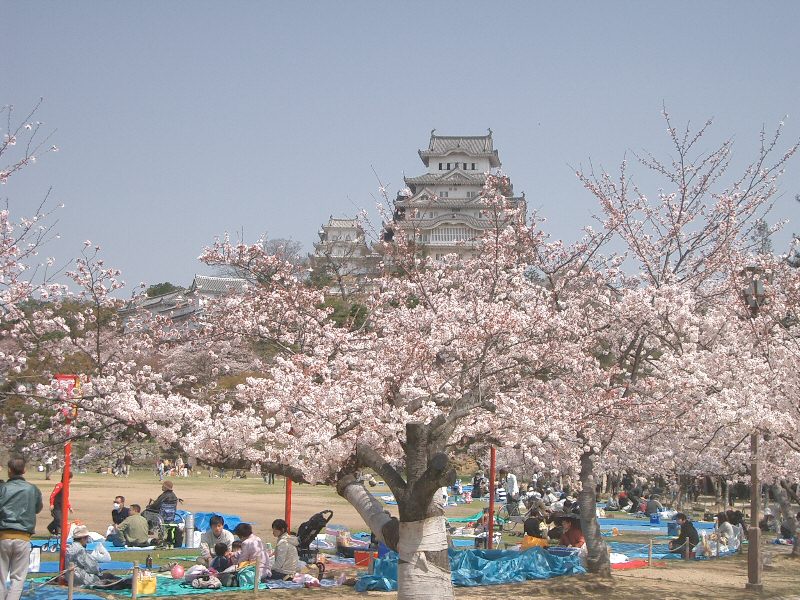
The Japanese tradition of gathering to enjoy cherry blossoms in spring
🇯🇵 Japan and 7 more · Custom, Jan to May
Decoration
Hanami花見
The Japanese tradition of gathering to enjoy cherry blossoms in spring
🇯🇵 Japan and 7 more · Custom, Jan to May
 Decoration
Sōgetsu草月流
A modern school of Japanese ikebana open to all materials and styles
🇯🇵 Japan · Arrangement
Decoration
Sōgetsu草月流
A modern school of Japanese ikebana open to all materials and styles
🇯🇵 Japan · Arrangement