
Camellia
Evergreen shrubs and trees with showy blooms, best known for tea and garden flowers
Camellia is a group of evergreen shrubs and small trees native to eastern and southern Asia, especially China, Japan, and Southeast Asia. Their flowers range from white and pink to red and yellow, and some species are grown for tea, oil, or as ornamental plants in gardens worldwide.
- Source of tea leaves and tea seed oil
- Flowers range from white and pink to red and yellow
- Over 26,000 cultivars registered worldwide
- Alabama's state flower in the United States
- Some wild species are endangered or extinct
What does Camellia look like?
Camellias are evergreen shrubs or small trees that can reach up to 10–15 meters in height. Their leaves are thick, shiny, and dark green, with edges that are often finely toothed. The flowers, which can be solitary or in small groups, are usually large and have five to nine petals in wild species. Blooms come in shades of white, pink, red, and, in some species from southern China and Vietnam, yellow. The flowers are known for their prominent cluster of yellow stamens in the center.
Where does Camellia come from?
Camellias grow wild in forests stretching from the Himalayas through China, Japan, and Southeast Asia. Most species are native to southern China and Indochina, but they also appear in places like Japan and Vietnam. The genus was named by Carl Linnaeus in 1753, after Georg Joseph Kamel, a botanist who worked in the Philippines. Fossil records show camellias have existed since at least the Eocene in Japan and the Oligocene in Bulgaria and the United States.
When and how Camellia blooms
Camellias thrive in acidic, humus-rich soils and need plenty of water, making them common in regions with high rainfall. They grow slowly, often about 30 cm per year, and are suited to woodland gardens or pots. Flowering usually starts in late winter or early spring, with some varieties blooming even earlier. Propagation is mainly by seed or cuttings, and they do not tolerate drought or chalky soils.


How Camellia is used
Camellia sinensis leaves are processed to make tea, a drink central to cultures in East and South Asia and enjoyed worldwide. Several species, especially C. japonica and C. sasanqua, are grown for their decorative blooms in gardens. Oil pressed from camellia seeds is used for cooking and hair care, especially in China and Japan. Some species are also used in traditional medicine and as symbols in literature and art.
Kinds of Camellia
There are over 220 species and thousands of cultivars of camellia. C. sinensis is grown for tea, while C. japonica and C. sasanqua are popular ornamentals with many flower forms, such as single, semi-double, and double. Hybrids like C. × williamsii and C. × hiemalis are valued in gardens. Some wild species are threatened or extinct in the wild.
What Camellia means
Camellias have inspired art, literature, and fashion. The white camellia is an emblem of women's suffrage in New Zealand and appears on its currency. The flower is Alabama's state symbol in the United States. In France, it became famous through Alexandre Dumas' novel and Verdi's opera. Camellias are also linked to Japanese traditions and are a motif in Chanel's designs.
Where Camellia is used and seen
 Hong Kong Zoological and Botanical GardensA historic garden and zoo in Central, Hong Kong with themed plant collections
 New Orleans Botanical GardenA public garden in City Park with themed plant collections and art deco features
 Dandenong Ranges Botanic GardenA cool-climate garden in the hills near Melbourne, famous for rhododendrons and cherry blossom
 Hunter Valley GardensA vast themed garden and event venue in Pokolbin, New South Wales
 Mendocino Coast Botanical GardensA coastal garden in Mendocino County, California with ocean views and diverse plantings
 South China National Botanical GardenA major botanical garden in Guangzhou with diverse plant collections and research focus
 ChabanaSimple flower arrangements for the Japanese tea ceremony
 Sim's Park, CoonoorA century-old botanical garden in the Nilgiri hills of Tamil Nadu
Where to see Camellia
 🇦🇺 Sydney · All yearRoyal Botanic Garden SydneyA harbourside garden founded in 1816, beside the Opera House, with native and exotic collections.
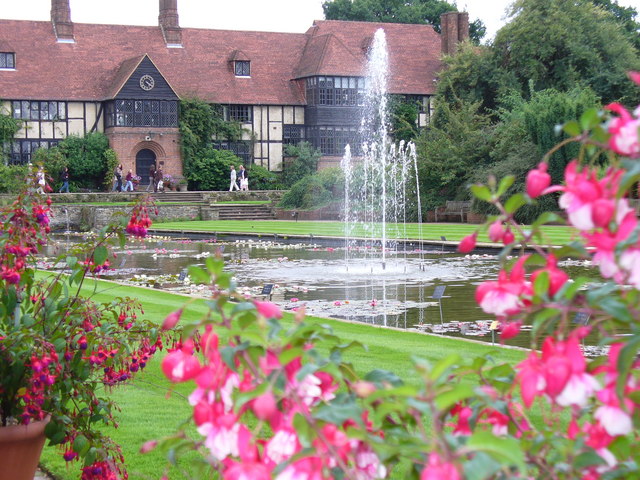 🇬🇧 Woking · Mar to OctRHS Garden Wisley through the seasonsThe Royal Horticultural Society's main garden in Surrey, where plants are tested, compared and shown at their best.
 🇮🇹 Stresa · Mar to OctThe terraced garden of Isola BellaA Baroque palace garden on a small island in Lake Maggiore, built up in ten terraces like the stern of a ship.
 🇺🇸 San Marino · Jan to DecThe Huntington's rose, camellia and desert gardensA library and art estate near Pasadena with more than a dozen themed gardens, strongest in winter and spring.
Questions people ask about Camellia
Where do camellias come from?
Camellias are native to forests in eastern and southern Asia, especially China, Japan, and Southeast Asia. Most wild species are found in southern China and Indochina, but they also grow in the Himalayas and as far as Indonesia.
What are camellias used for?
Camellias are grown for their beautiful flowers in gardens, but some species are important for tea production and for oil used in cooking and cosmetics. They are also used in traditional medicine and as symbols in literature and culture.
What do camellia flowers look like?
Camellia flowers are usually large and showy, with five to nine petals in wild species. They come in white, pink, red, and yellow, and have a central cluster of yellow stamens. Many garden varieties have double or semi-double blooms.
Are camellias important in any cultures?
Yes, camellias play a role in the cultures of China, Japan, and other Asian countries. The white camellia is a symbol of women's suffrage in New Zealand, and the flower appears in art, literature, and fashion worldwide.
Are any camellia species threatened?
Several camellia species are considered endangered or vulnerable, and at least one, Camellia amplexicaulis, is extinct in the wild. Habitat loss is a major threat to many wild camellias.
Good reading and sources
- Encyclopaedia BritannicaArticle
- USDA Plants DatabaseUS Department of Agriculture, Article
- Plants of the World OnlineRoyal Botanic Gardens, Kew, Plant database
- Where it has been recordedGBIF, Plant database
- Sightings and photos by naturalistsiNaturalist, Plant database
The facts on this page come from the Wikipedia article "Camellia", written by its contributors and used under the CC BY-SA 4.0 licence, and from its Wikidata record (CC0). Phool rewrote the text in its own words, with AI assistance, and compares every page with the article to make sure no passage is copied. It may be reused under the same CC BY-SA 4.0 licence with a link back.
It may contain mistakes. It is not medical or foraging advice: many flowers are poisonous, and traditional uses are reported, not recommended. If something is wrong, tell us. Last refreshed 2026-10-03.
Others in the family Theaceae
The whole family Camellia reticulata
Tall pink-flowered camellia from Yunnan, grown for gardens and tea oil
🇨🇳 China · Flowering tree
Camellia reticulata
Tall pink-flowered camellia from Yunnan, grown for gardens and tea oil
🇨🇳 China · Flowering tree
 Camellia amplexicaulisHải đường
A pink-flowered camellia tree once found in Vietnam’s forests
🇻🇳 Vietnam · Flowering tree
Camellia amplexicaulisHải đường
A pink-flowered camellia tree once found in Vietnam’s forests
🇻🇳 Vietnam · Flowering tree
 Hong Kong CamelliaCamellia hongkongensis
A rare camellia tree from Hong Kong with red flowers
🇭🇰 Hong Kong and 1 more · Flowering tree
Hong Kong CamelliaCamellia hongkongensis
A rare camellia tree from Hong Kong with red flowers
🇭🇰 Hong Kong and 1 more · Flowering tree
More from China
All the flowers of China PeachPrunus persica
A flowering fruit tree from China, grown for its pink blossoms and sweet fruit
🇨🇳 China and 7 more · Flowering tree
PeachPrunus persica
A flowering fruit tree from China, grown for its pink blossoms and sweet fruit
🇨🇳 China and 7 more · Flowering tree
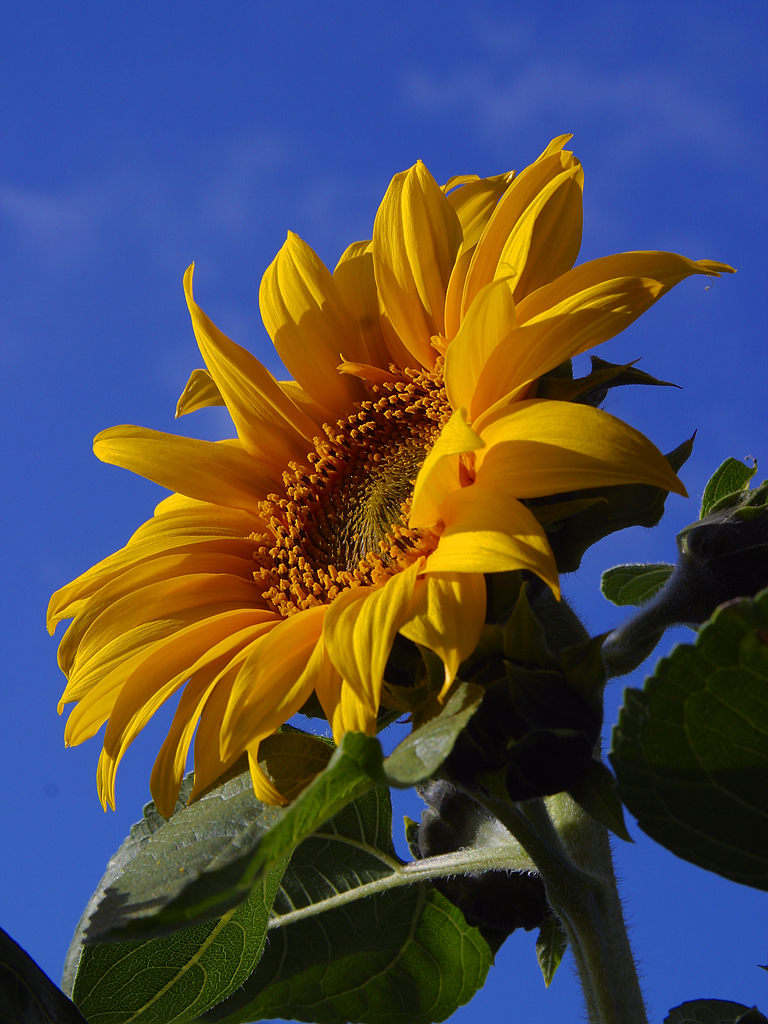 Common sunflowerHelianthus annuus
A tall annual plant grown for its large yellow flower heads and edible seeds
🇨🇦 Canada and 4 more · Wildflower
Common sunflowerHelianthus annuus
A tall annual plant grown for its large yellow flower heads and edible seeds
🇨🇦 Canada and 4 more · Wildflower
 PomegranatePunica granatum
A shrub with bright red flowers and a fruit full of edible seeds
🇮🇷 Iran and 9 more · Flowering shrub
PomegranatePunica granatum
A shrub with bright red flowers and a fruit full of edible seeds
🇮🇷 Iran and 9 more · Flowering shrub
 BirchBetula
Slender trees with papery bark found across the northern world
🇨🇳 China and 7 more · Wildflower
BirchBetula
Slender trees with papery bark found across the northern world
🇨🇳 China and 7 more · Wildflower