
Birch
Betula, family Betulaceae
Slender trees with papery bark found across the northern world
Birches are slender, deciduous trees or shrubs in the genus Betula, known for their papery bark and fine-grained wood. They grow widely in northern temperate and boreal regions, with many species found in Eurasia and North America. People use birch wood for furniture, plywood, and traditional crafts, and its branches in seasonal customs.
- Birch bark peels in thin, papery layers
- Birches are among the first trees to grow after a fire or disturbance
- Birch wood is used for furniture, plywood, and crafts
- Branches are used for Pentecost decorations in parts of Europe and Siberia
- Some birch species are threatened
What does Birch look like?
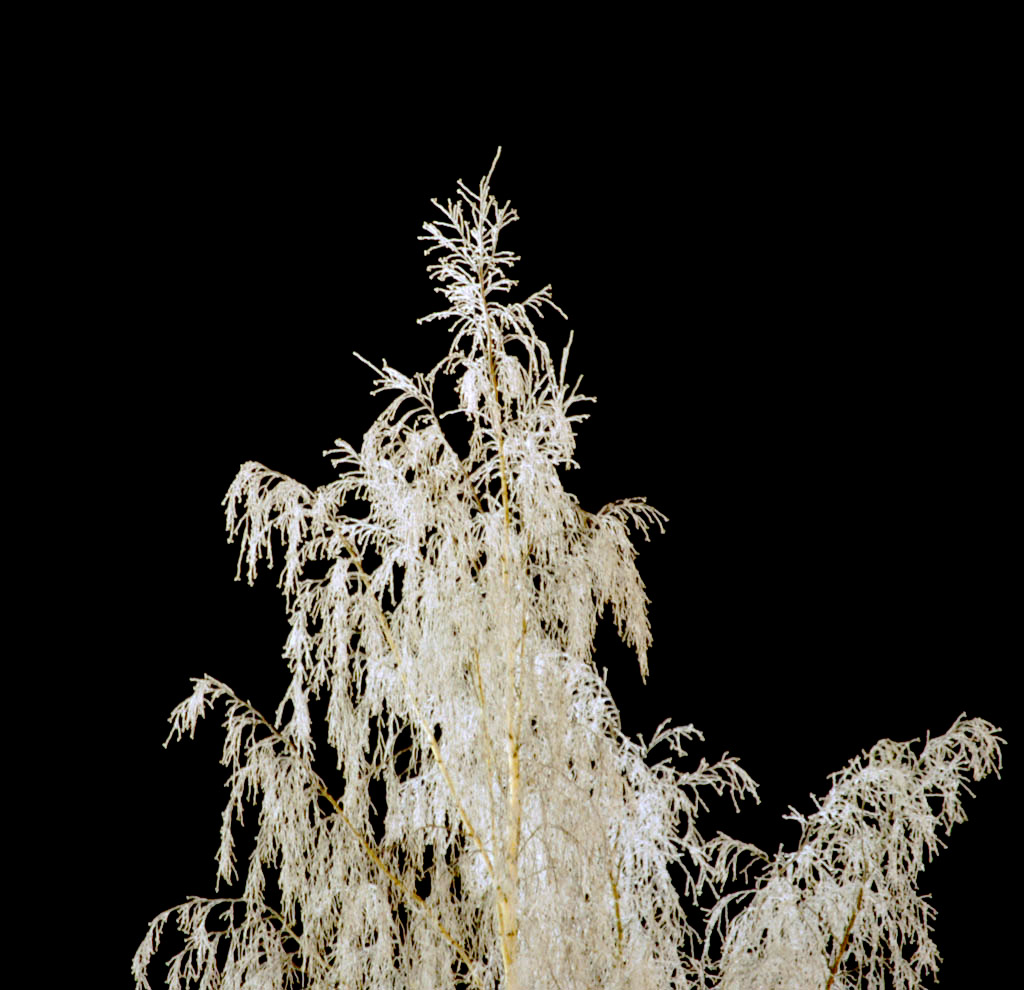
Birches are usually small to medium-sized trees or shrubs with thin, papery bark that peels in layers. The bark often shows horizontal lines and can be white, silver, yellow, gray, or black, depending on the species. Their leaves are simple, alternate, and have serrated edges. Birches produce catkins—slender, hanging clusters of tiny flowers. The fruit is a small, winged nut. The wood is pale, close-grained, and has a satiny sheen.
Where does Birch come from?
Birches grow wild across the northern parts of Europe, Asia, and North America. They are pioneer species, often the first trees to colonize open ground after disturbance. The genus Betula includes 30 to 60 species, with some found in mountain regions and others in lowlands. The name 'birch' comes from ancient European languages, referring to the tree's pale bark. Fossils show birches have existed for around 49 million years.
When and how Birch blooms
Birches flower with or just before their leaves appear. Their catkins form in autumn and stay through winter, opening in spring. They thrive in light, well-drained, often acidic soils, and are common in forests and open areas. Birches are grown from seed and spread quickly in disturbed ground. Their wood is valued for its smooth texture and is shaped more easily with power tools.


How Birch is used
Birch wood is used for furniture, plywood, and crafts, and is known for its light color and smooth grain. Thin birch bark peels are used in traditional crafts and as waterproofing. In Central and Eastern Europe and Siberia, birch branches decorate homes and churches during Pentecost. Fragrant birch twigs are used in saunas. Some species are local emblems, and birch extracts appear in flavorings and cosmetics.
Kinds of Birch
There are many birch species, such as silver birch (Betula pendula) in Europe and Asia, paper birch (Betula papyrifera) in North America, and Himalayan birch (Betula utilis) in the Himalayas. Dwarf birch (Betula nana) grows in colder, northern areas. Some birches, like the Karelian birch, are prized for their decorative wood patterns. Eleven species are listed as threatened.
What Birch means
Birch trees are symbols of renewal and are used in seasonal celebrations. In some regions, birch is associated with the feast of Pentecost, when branches are used for decoration. The pale bark gives birch its name and features in runes and folklore. Birch wood is valued in crafts and industry, and some species are regional emblems. Conservation concerns exist for several birch species.
Where Birch is used and seen
 MidsummerEurope’s summer solstice festival with bonfires, flowers and outdoor gatherings
 WreathA ring-shaped decoration made from flowers, leaves, or other materials
 MaypoleA tall decorated pole at the heart of spring and summer festivals in Europe
 JāņiLatvia’s midsummer festival with wreaths, bonfires, and solstice songs
Days and festivals
Questions people ask about Birch
Where do birches come from?
Birches are native to northern temperate and boreal regions across Europe, Asia, and North America. They grow in forests, open ground, and sometimes in mountain regions.
What does a birch tree look like?
Birch trees have slender trunks with bark that peels in thin, papery strips. The bark can be white, silver, yellow, gray, or black. Their leaves are simple and serrated, and they produce catkins.
How are birches used?
People use birch wood for furniture, plywood, and crafts. Birch bark is used in traditional crafts and waterproofing. In some cultures, birch branches are used for seasonal decorations and in saunas.
What do birch trees symbolize?
Birches are often seen as symbols of renewal and are used in seasonal celebrations, such as Pentecost in Central and Eastern Europe and Siberia.
Are any birch species threatened?
Yes, eleven birch species are listed on the IUCN Red List of Threatened Species.
Good reading and sources
- Encyclopaedia BritannicaArticle
- UK team germinates critically endangered Japanese birchBBC, Article
- USDA Plants DatabaseUS Department of Agriculture, Article
- Plants of the World OnlineRoyal Botanic Gardens, Kew, Plant database
- Where it has been recordedGBIF, Plant database
- Sightings and photos by naturalistsiNaturalist, Plant database
The facts on this page come from the Wikipedia article "Birch", written by its contributors and used under the CC BY-SA 4.0 licence, and from its Wikidata record (CC0). Phool rewrote the text in its own words, with AI assistance, and compares every page with the article to make sure no passage is copied. It may be reused under the same CC BY-SA 4.0 licence with a link back.
It may contain mistakes. It is not medical or foraging advice: many flowers are poisonous, and traditional uses are reported, not recommended. If something is wrong, tell us. Last refreshed 2026-10-03.

More from China
All the flowers of China PeachPrunus persica
A flowering fruit tree from China, grown for its pink blossoms and sweet fruit
🇨🇳 China and 7 more · Flowering tree
PeachPrunus persica
A flowering fruit tree from China, grown for its pink blossoms and sweet fruit
🇨🇳 China and 7 more · Flowering tree
 Common sunflowerHelianthus annuus
A tall annual plant grown for its large yellow flower heads and edible seeds
🇨🇦 Canada and 4 more · Wildflower
Common sunflowerHelianthus annuus
A tall annual plant grown for its large yellow flower heads and edible seeds
🇨🇦 Canada and 4 more · Wildflower
 ApricotPrunus armeniaca
A small fruit tree with early white to pink blossoms and golden-orange fruit
🇨🇳 China and 6 more · Flowering tree
ApricotPrunus armeniaca
A small fruit tree with early white to pink blossoms and golden-orange fruit
🇨🇳 China and 6 more · Flowering tree
 FennelFoeniculum vulgare
A tall, aromatic herb with feathery leaves and yellow umbels, used for food and spice
🇨🇳 China and 7 more · Herb or useful flower
FennelFoeniculum vulgare
A tall, aromatic herb with feathery leaves and yellow umbels, used for food and spice
🇨🇳 China and 7 more · Herb or useful flower