
Fennel
Foeniculum vulgare, family Apiaceae
A tall, aromatic herb with feathery leaves and yellow umbels, used for food and spice
Fennel is a perennial herb with feathery leaves and clusters of small yellow flowers, native to the Mediterranean but now found in many parts of the world. Its bulb, leaves, and seeds are widely used in cooking, and it is valued for its anise-like aroma and flavor.
- Fennel has feathery leaves and yellow flower umbels
- Its bulb, leaves, and seeds are all edible and aromatic
- Florence fennel is grown for its swollen, sweet stem base
- Fennel is native to the Mediterranean but now grows worldwide
- It is a key spice in Indian and Chinese cuisines
What does Fennel look like?
Fennel is a tall, upright perennial herb that can reach up to 2.1 meters. Its stems are hollow and green, and the leaves are finely divided, threadlike, and feathery, resembling dill but even thinner. The plant produces flat-topped clusters (umbels) of many small, bright yellow flowers. The fruit, often called seeds, are small, grooved, and aromatic. The whole plant has a strong, sweet aroma similar to anise or licorice.
Where does Fennel come from?
Fennel is native to the Mediterranean coast but has spread widely and now grows wild in many temperate regions, especially near the sea and riverbanks. It has become naturalized in places like northern Europe, North America, Asia, and Australia. Ancient Greeks and Romans valued fennel for food, medicine, and as an insect repellent. Its name comes from Latin 'faeniculum', meaning 'little hay', and it has a long history in both culinary and medicinal traditions.
When and how Fennel blooms
Fennel grows best in dry, open sites and is propagated by seed or root crown. It flowers in compound umbels, producing many small yellow blossoms. The plant is cultivated for its edible bulb, leaves, and seeds. Florence fennel, a cultivated variety, forms a swollen, bulb-like stem base used as a vegetable. Fennel can self-seed and spread easily, sometimes becoming invasive in suitable climates.


How Fennel is used
All parts of fennel are used in cooking. The bulb is eaten raw or cooked, the leaves flavor salads, sauces, and fish, and the seeds are used as a spice in breads, desserts, and spice blends like Indian panch phoron and Chinese five-spice. In India, fennel seeds are chewed after meals as a digestive. Fennel is also used in absinthe and herbal teas. Traditional medicine and folklore have valued fennel for its aromatic and supposed health properties.
Kinds of Fennel
Florence fennel (finocchio) is a cultivated form with a bulb-like stem base, sweeter and more aromatic than wild fennel. Bronze fennel is grown for its decorative dark leaves. Fennel is sometimes confused with similar herbs like dill, caraway, and anise, but it is taller and has a stronger licorice scent. Wild fennel is common in many regions and can become invasive.
What Fennel means
Fennel appears in ancient Greek and Roman stories and was associated with courage and strength. The name of the Battle of Marathon comes from the Greek word for fennel. In medieval Europe, it was one of the nine sacred herbs. Fennel is mentioned in poetry and was required to be grown on imperial farms by Charlemagne. In some places, it is considered a weed due to its ability to outcompete native plants.
Where Fennel is used and seen

Traditions that use it
Questions people ask about Fennel
Where does fennel come from?
Fennel is native to the Mediterranean region but has spread and naturalized in many parts of the world, including Europe, Asia, North America, and Australia.
What does fennel look and smell like?
Fennel is a tall herb with hollow green stems, feathery threadlike leaves, and clusters of small yellow flowers. It has a strong, sweet aroma similar to anise or licorice.
How is fennel used in cooking?
The bulb, leaves, and seeds of fennel are all used in cooking. The bulb can be eaten raw or cooked, leaves are used for flavoring, and seeds are used as a spice in breads, desserts, and spice blends.
Is fennel the same as anise or dill?
Fennel is related to anise and dill but is a different plant. It is taller than dill and has a stronger licorice scent. Its seeds and leaves are used differently in cooking.
What does fennel symbolize or mean in culture?
Fennel has been associated with courage and strength in ancient Greek and Roman culture and appears in myths and poetry. It was also one of the nine sacred herbs in medieval Europe.
Good reading and sources
- Encyclopaedia BritannicaArticle
- USDA Plants DatabaseUS Department of Agriculture, Article
- Plants of the World OnlineRoyal Botanic Gardens, Kew, Plant database
- Where it has been recordedGBIF, Plant database
- Sightings and photos by naturalistsiNaturalist, Plant database
The facts on this page come from the Wikipedia article "Fennel", written by its contributors and used under the CC BY-SA 4.0 licence, and from its Wikidata record (CC0). Phool rewrote the text in its own words, with AI assistance, and compares every page with the article to make sure no passage is copied. It may be reused under the same CC BY-SA 4.0 licence with a link back.
It may contain mistakes. It is not medical or foraging advice: many flowers are poisonous, and traditional uses are reported, not recommended. If something is wrong, tell us. Last refreshed 2026-10-03.
Others in the family Apiaceae
The whole family Bupleurum
A genus of herbs and shrubs with simple leaves and small umbel flowers
Bupleurum · Wildflower
Bupleurum
A genus of herbs and shrubs with simple leaves and small umbel flowers
Bupleurum · Wildflower
 Plains eryngoEryngium planum
A spiky blue perennial with thistle-like flowerheads and silvery stems
🇨🇳 China · Wildflower
Plains eryngoEryngium planum
A spiky blue perennial with thistle-like flowerheads and silvery stems
🇨🇳 China · Wildflower
 Orlaya grandiflora
A Mediterranean annual with white, lace-like flower clusters
Orlaya grandiflora · Wildflower
Orlaya grandiflora
A Mediterranean annual with white, lace-like flower clusters
Orlaya grandiflora · Wildflower
 Ammi majus
A white, lacy-flowered annual from the carrot family, grown for gardens and medicine
🇪🇬 Egypt and 1 more · Wildflower
Ammi majus
A white, lacy-flowered annual from the carrot family, grown for gardens and medicine
🇪🇬 Egypt and 1 more · Wildflower
More from China
All the flowers of China PeachPrunus persica
A flowering fruit tree from China, grown for its pink blossoms and sweet fruit
🇨🇳 China and 7 more · Flowering tree
PeachPrunus persica
A flowering fruit tree from China, grown for its pink blossoms and sweet fruit
🇨🇳 China and 7 more · Flowering tree
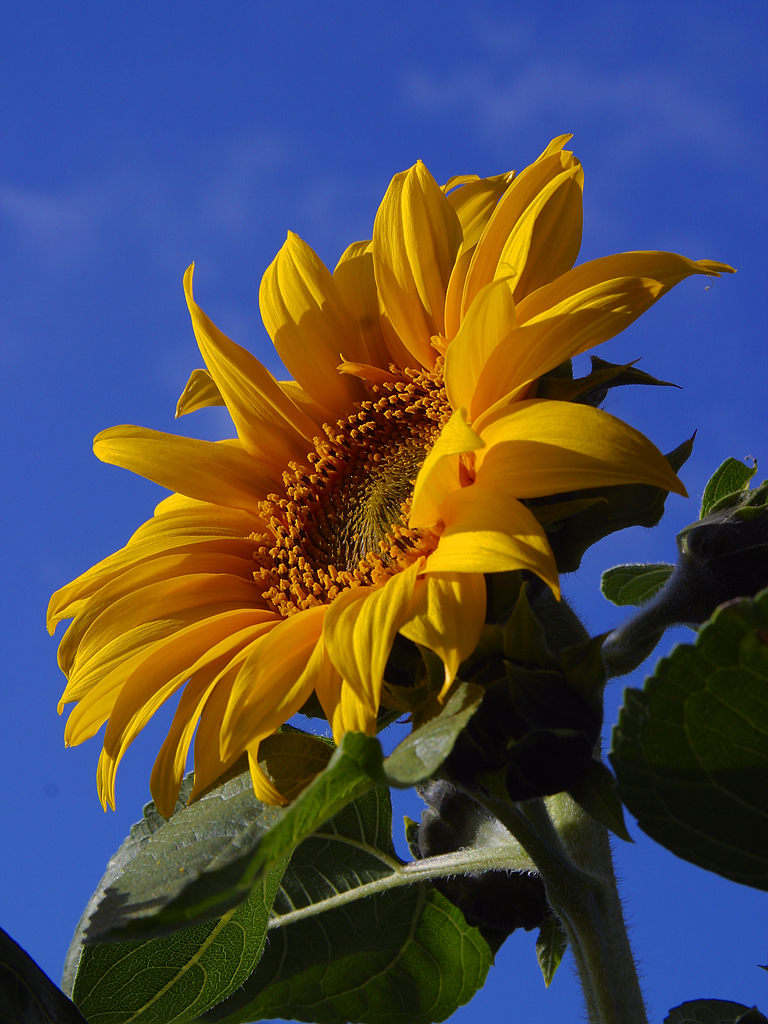 Common sunflowerHelianthus annuus
A tall annual plant grown for its large yellow flower heads and edible seeds
🇨🇦 Canada and 4 more · Wildflower
Common sunflowerHelianthus annuus
A tall annual plant grown for its large yellow flower heads and edible seeds
🇨🇦 Canada and 4 more · Wildflower
 PomegranatePunica granatum
A shrub with bright red flowers and a fruit full of edible seeds
🇮🇷 Iran and 9 more · Flowering shrub
PomegranatePunica granatum
A shrub with bright red flowers and a fruit full of edible seeds
🇮🇷 Iran and 9 more · Flowering shrub
 BirchBetula
Slender trees with papery bark found across the northern world
🇨🇳 China and 7 more · Wildflower
BirchBetula
Slender trees with papery bark found across the northern world
🇨🇳 China and 7 more · Wildflower