
Plains eryngo
Eryngium planum, family Apiaceae
A spiky blue perennial with thistle-like flowerheads and silvery stems
Plains eryngo is a perennial herb with spiky blue flowers and silvery stems, native to parts of Europe and Central Asia. It grows up to 50 cm tall and is known for its use in European folk medicine, where both its leaves and roots are valued.
- Spiky blue flowerheads bloom in summer
- Native to central and southeastern Europe and Central Asia
- Used in European folk medicine for its roots and leaves
- Contains essential oils and phenolic acids
- Grows up to 50 cm tall with silvery-blue stems
What does Plains eryngo look like?
Plains eryngo is a perennial plant that reaches about half a meter in height. Its stems are branched and have a silvery-blue sheen. The plant produces many small, cone-shaped blue flowerheads, each surrounded by stiff, pointed bracts that give it a spiky look. The overall appearance is similar to a thistle, with a striking blue color that stands out in summer.
Where does Plains eryngo come from?
This plant is native to a region stretching from central and southeastern Europe into Central Asia, including areas such as Xinjiang in China. Over time, it has become known in various parts of Europe and Asia. Its scientific name is Eryngium planum, and it belongs to the Apiaceae family, which includes carrots and parsley.
When and how Plains eryngo blooms
Plains eryngo blooms during the summer, producing its distinctive blue flowerheads. It grows as a herbaceous perennial, returning each year from its roots. The plant thrives in open, sunny places and is often found in wild grasslands or cultivated in gardens for its unusual appearance.

How Plains eryngo is used
In European folk traditions, plains eryngo has been used for its roots and leaves, which are believed to have diuretic and stimulating effects. The plant contains essential oils and various bioactive compounds, and is sometimes called Eryngii plani herba or radix in herbal medicine. It is also grown as an ornamental plant.
Kinds of Plains eryngo
While Eryngium planum is the main species discussed, other related Eryngium species exist, each with their own forms and uses. Some may differ in flower color or growth habit, but plains eryngo is recognized for its blue flowers and spiky bracts.
What Plains eryngo means
Plains eryngo is valued in folk medicine in parts of Europe, where it is used for its supposed health benefits. Its spiky blue flowers also make it a distinctive addition to gardens. The plant is considered toxic, so care is taken in its use.
Questions people ask about Plains eryngo
Where does plains eryngo come from?
Plains eryngo is native to regions in central and southeastern Europe and Central Asia, including parts of China such as Xinjiang.
What does plains eryngo look like?
It is a perennial plant with silvery-blue branched stems and small, blue, cone-shaped flowerheads surrounded by spiky bracts, growing up to 50 cm tall.
How is plains eryngo used?
In European folk medicine, both the roots and leaves have been used as a diuretic and stimulant. The plant is also grown as an ornamental for its unique appearance.
Is plains eryngo toxic?
Yes, plains eryngo is considered toxic, so it should be handled with care, especially when used in traditional remedies.
What does plains eryngo symbolize or mean?
The sources do not mention any specific symbolism or cultural meaning for plains eryngo.
Good reading and sources
- USDA Plants DatabaseUS Department of Agriculture, Article
- Eryngium planumRoyal Horticultural Society, Article
- Plants of the World OnlineRoyal Botanic Gardens, Kew, Plant database
- Where it has been recordedGBIF, Plant database
- Sightings and photos by naturalistsiNaturalist, Plant database
- Eryngium planum on WikipediaEncyclopedia
- More photos on Wikimedia CommonsPhotos
- Wikidata recordOpen data
The facts on this page come from the Wikipedia article "Eryngium planum", written by its contributors and used under the CC BY-SA 4.0 licence, and from its Wikidata record (CC0). Phool rewrote the text in its own words, with AI assistance, and compares every page with the article to make sure no passage is copied. It may be reused under the same CC BY-SA 4.0 licence with a link back.
It may contain mistakes. It is not medical or foraging advice: many flowers are poisonous, and traditional uses are reported, not recommended. If something is wrong, tell us. Last refreshed 2026-10-03.
Others in the family Apiaceae
The whole family FennelFoeniculum vulgare
A tall, aromatic herb with feathery leaves and yellow umbels, used for food and spice
🇨🇳 China and 7 more · Herb or useful flower
FennelFoeniculum vulgare
A tall, aromatic herb with feathery leaves and yellow umbels, used for food and spice
🇨🇳 China and 7 more · Herb or useful flower
 Orlaya grandiflora
A Mediterranean annual with white, lace-like flower clusters
Orlaya grandiflora · Wildflower
Orlaya grandiflora
A Mediterranean annual with white, lace-like flower clusters
Orlaya grandiflora · Wildflower
 Bupleurum
A genus of herbs and shrubs with simple leaves and small umbel flowers
Bupleurum · Wildflower
Bupleurum
A genus of herbs and shrubs with simple leaves and small umbel flowers
Bupleurum · Wildflower
 Sea-hollyEryngium maritimum
A spiny, blue-grey perennial of European and Mediterranean coasts
🇮🇪 Ireland and 6 more · Wildflower
Sea-hollyEryngium maritimum
A spiny, blue-grey perennial of European and Mediterranean coasts
🇮🇪 Ireland and 6 more · Wildflower
More from China
All the flowers of China PeachPrunus persica
A flowering fruit tree from China, grown for its pink blossoms and sweet fruit
🇨🇳 China and 7 more · Flowering tree
PeachPrunus persica
A flowering fruit tree from China, grown for its pink blossoms and sweet fruit
🇨🇳 China and 7 more · Flowering tree
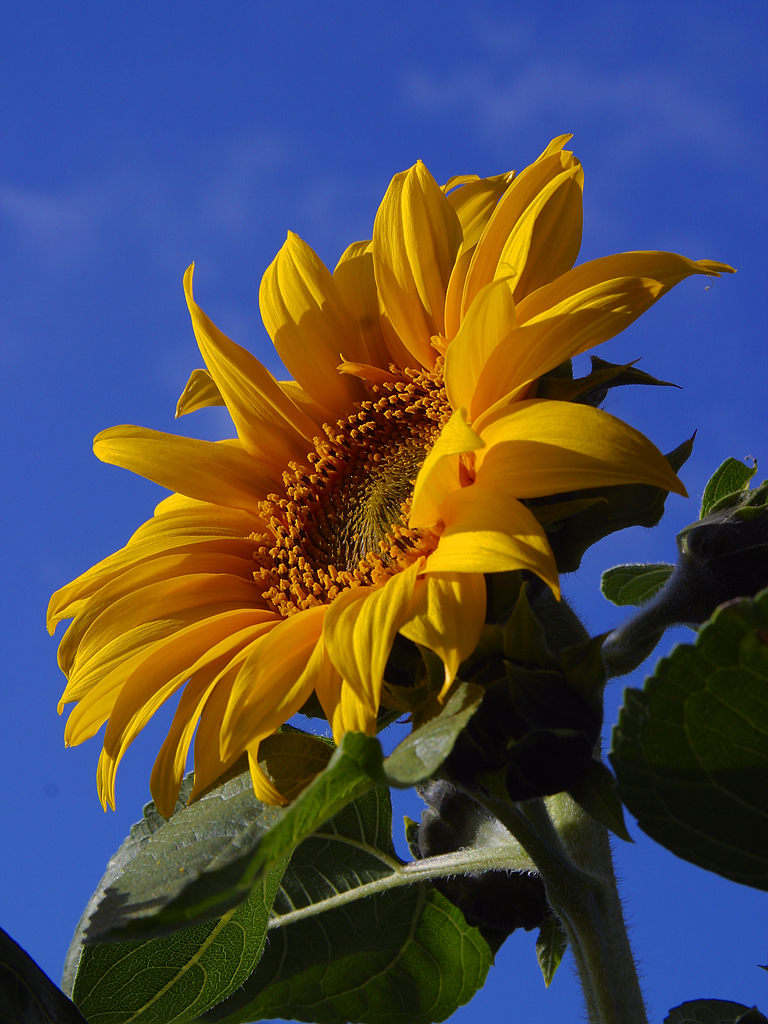 Common sunflowerHelianthus annuus
A tall annual plant grown for its large yellow flower heads and edible seeds
🇨🇦 Canada and 4 more · Wildflower
Common sunflowerHelianthus annuus
A tall annual plant grown for its large yellow flower heads and edible seeds
🇨🇦 Canada and 4 more · Wildflower
 PomegranatePunica granatum
A shrub with bright red flowers and a fruit full of edible seeds
🇮🇷 Iran and 9 more · Flowering shrub
PomegranatePunica granatum
A shrub with bright red flowers and a fruit full of edible seeds
🇮🇷 Iran and 9 more · Flowering shrub
 BirchBetula
Slender trees with papery bark found across the northern world
🇨🇳 China and 7 more · Wildflower
BirchBetula
Slender trees with papery bark found across the northern world
🇨🇳 China and 7 more · Wildflower