
Midsummer
In its own language: Midsommar
Europe’s summer solstice festival with bonfires, flowers and outdoor gatherings
Midsummer is a festival marking the summer solstice, celebrated across Europe and beyond, often on 23–24 June or the nearest weekend. Traditions include bonfires, maypole dancing, feasting, and decorating with flowers and greenery. It blends ancient seasonal rites with Christian customs, especially the feast of Saint John the Baptist.
- Bonfires are lit across Europe to mark the summer solstice
- Homes are decorated with birch, wildflowers, and garlands
- Maypole dancing is a key tradition in Sweden
- Midsummer is tied to Saint John the Baptist’s feast in Christian practice
What is Midsummer?
Midsummer is a festival celebrated outdoors, often in fields or near water. People gather for bonfires, feasts, singing, and dancing, especially around a maypole in some countries. Homes and public spaces are decorated with green branches, birch, wildflowers, and garlands. Lamps and candles may be lit through the night. The festival has a lively, communal feel, with traditions varying by country.
Where does Midsummer come from?
The roots of Midsummer reach back to the Neolithic era, with ancient monuments aligned to the solstice. In Roman times, the solstice was marked on 24 June and linked to the goddess Fortuna. The date became associated with Saint John the Baptist after Christianization, and many customs were absorbed into church celebrations. Bonfires, feasting, and flower decorations have long been part of the event, with written records from medieval England and continental Europe.
How Midsummer is made
Preparations for Midsummer include gathering birch branches, wildflowers, and herbs to decorate homes and make garlands. Bonfires are built from wood or straw, sometimes with ritual elements like jumping over the flames. In some places, maypoles are raised and decorated with flowers and greenery. Food and drink are prepared for communal feasts, and lamps or candles are set out to light the night.


When and where Midsummer is used
Midsummer is celebrated by families and communities, with traditions such as dancing, singing, and sharing meals. Bonfires are central, symbolizing purification or warding off evil. In Christian practice, church services and processions mark the birth of Saint John the Baptist. In some regions, people visit springs or rivers, and in others, the ashes from bonfires are scattered for good luck in fields.
Forms of Midsummer
Midsummer goes by many names: Midsommar in Sweden, Jāņi in Latvia, Joninės in Lithuania, Jaanipäev in Estonia, and St. Hans Day in Norway and Denmark. Each country has its own customs—maypole dancing in Sweden, singing and herbal wreaths in Latvia, and mountain feasts in Albania. The date can be 23–24 June or the nearest weekend, depending on local tradition.
What Midsummer means
Midsummer is a major holiday in northern Europe, often a public holiday. It marks the height of summer and is linked to both ancient sun rituals and Christian beliefs about Saint John the Baptist. The festival is seen as a time of joy, fertility, and community, with symbolic acts like lighting fires to protect against evil and celebrate the light. It is also a time for reconciliation and celebration of nature.
The flowers of Midsummer


Questions people ask about Midsummer
Where does Midsummer come from?
Midsummer has ancient roots, with evidence of solstice celebrations in Neolithic Europe and the Roman festival of Fortuna. The date was later Christianized as the feast of Saint John the Baptist, blending old and new traditions.
How is Midsummer celebrated?
People gather outdoors for bonfires, feasting, singing, and dancing. Decorations with birch branches and wildflowers are common, and in some countries, maypole dances and garlands are part of the festivities.
What flowers and plants are used in Midsummer decorations?
Birch, fennel, St John’s wort, orpin, white lilies, and various wildflowers are used to decorate homes, make garlands, and adorn festival spaces.
What does Midsummer symbolize?
Midsummer marks the height of summer and the longest day. It symbolizes light, fertility, and community, and in Christian tradition, it honors the birth of Saint John the Baptist.
Which countries celebrate Midsummer as a public holiday?
Midsummer is a public holiday in countries like Sweden, Latvia, Lithuania, and Estonia, and is widely celebrated in Finland and Norway.
Good reading and sources
The facts on this page come from the Wikipedia article "Midsummer", written by its contributors and used under the CC BY-SA 4.0 licence, and from its Wikidata record (CC0). Phool rewrote the text in its own words, with AI assistance, and compares every page with the article to make sure no passage is copied. It may be reused under the same CC BY-SA 4.0 licence with a link back.
It may contain mistakes. If something is wrong, tell us. Last refreshed 2026-10-03.
More of the same kind
 Decoration
Bonsai盆栽
The Japanese art of shaping miniature trees in shallow pots
🇯🇵 Japan and 7 more · Art or design
Decoration
Bonsai盆栽
The Japanese art of shaping miniature trees in shallow pots
🇯🇵 Japan and 7 more · Art or design
 Decoration
Tokonoma床の間
A Japanese alcove for displaying scrolls and flower arrangements
🇯🇵 Japan · Arrangement
Decoration
Tokonoma床の間
A Japanese alcove for displaying scrolls and flower arrangements
🇯🇵 Japan · Arrangement
 Decoration
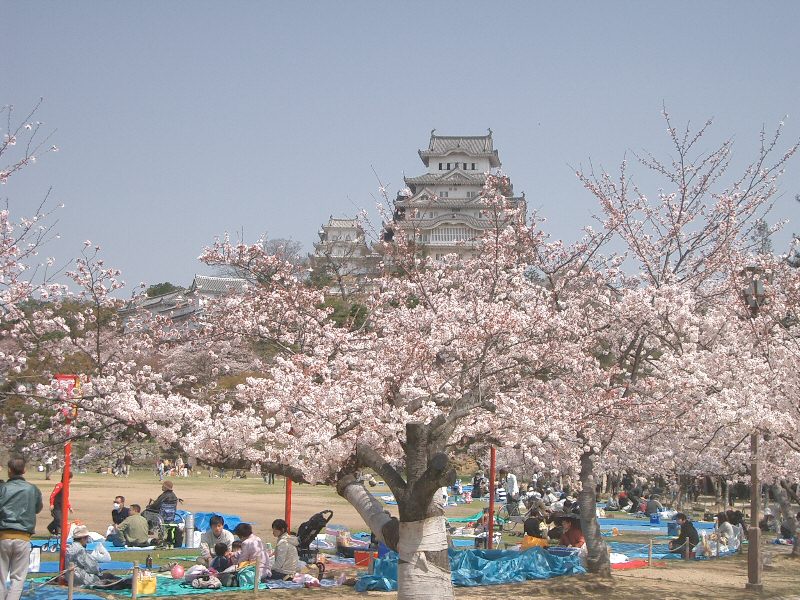
Hanami花見
The Japanese tradition of gathering to enjoy cherry blossoms in spring
🇯🇵 Japan and 7 more · Custom, Jan to May
Decoration
Hanami花見
The Japanese tradition of gathering to enjoy cherry blossoms in spring
🇯🇵 Japan and 7 more · Custom, Jan to May
 Decoration
Sōgetsu草月流
A modern school of Japanese ikebana open to all materials and styles
🇯🇵 Japan · Arrangement
Decoration
Sōgetsu草月流
A modern school of Japanese ikebana open to all materials and styles
🇯🇵 Japan · Arrangement
More from Sweden
All the flowers of Sweden Decoration
Maypole
A tall decorated pole at the heart of spring and summer festivals in Europe
🇩🇪 Germany and 6 more · Custom
Decoration
Maypole
A tall decorated pole at the heart of spring and summer festivals in Europe
🇩🇪 Germany and 6 more · Custom
 Decoration
May Day Festival
A spring festival with flowers, greenery, maypoles and bonfires on the first of May
🇮🇪 Ireland and 5 more · Custom, May
Decoration
May Day Festival
A spring festival with flowers, greenery, maypoles and bonfires on the first of May
🇮🇪 Ireland and 5 more · Custom, May
 Decoration
Laurel wreath
A head or neck wreath made from laurel leaves, symbolizing victory
🇬🇷 Greece and 4 more · Worn flowers
Decoration
Laurel wreath
A head or neck wreath made from laurel leaves, symbolizing victory
🇬🇷 Greece and 4 more · Worn flowers
 Decoration
Wreath
A ring-shaped decoration made from flowers, leaves, or other materials
🇬🇷 Greece and 7 more · Arrangement
Decoration
Wreath
A ring-shaped decoration made from flowers, leaves, or other materials
🇬🇷 Greece and 7 more · Arrangement