
May Day Festival
A spring festival with flowers, greenery, maypoles and bonfires on the first of May
May Day is a festival marking the start of summer in Europe, celebrated on May 1 with flowers, green branches, maypoles, bonfires, and dances. Traditions include crowning a May Queen, decorating homes and public spaces with blossoms, and holding processions and feasts. Customs vary by region, blending ancient, folk, and religious practices.
- May Day marks the start of summer with flowers and greenery on May 1
- Crowning a May Queen and dancing around a maypole are key traditions
- Bonfires are lit for luck and protection in many regions
- Homes and public spaces are decorated with wildflowers and green branches
- May Day customs blend ancient, folk, and Christian elements
What is May Day Festival?
May Day is a spring festival held on May 1, known for its lively use of flowers, greenery, and decorated maypoles. People crown a May Queen, dance, and decorate homes and public spaces with wildflowers and green branches. Bonfires, processions, and feasts are common, and in some places, people create May Bushes or flower crowns. The festival brings together communities in celebration, with traditions that often include singing, games, and rituals for luck and protection.
Where does May Day Festival come from?
May Day has roots in ancient European customs, including the Roman Floralia, which honored the goddess Flora with flowers and games, and the Celtic Beltane, marking the start of summer with bonfires and rituals to protect livestock and crops. Over centuries, these traditions blended with local folk practices and Christian observances, such as May devotions to the Virgin Mary. The maypole, May Queen, and use of flowers and greenery have become symbols of renewal and the coming of summer.
How May Day Festival is made
Preparations for May Day begin with gathering wildflowers and green branches, often on May Eve. These are used to decorate homes, doors, and windows, and to make wreaths or May Bushes. In some regions, a maypole is set up and adorned with ribbons and flowers. People may also prepare bonfires, bake special foods, and plan dances or processions. The festival is celebrated outdoors, making use of local flowers and greenery to welcome the new season.


When and where May Day Festival is used
May Day is celebrated by communities across Europe and beyond, with public gatherings, dances, and rituals. It is a time for crowning a May Queen, dancing around the maypole, and giving flower baskets or crowns. In some places, bonfires are lit for luck and protection, and offerings are made to spirits or saints. The festival is both a social and spiritual event, bringing people together to mark the change of seasons.
Forms of May Day Festival
May Day customs differ by region. In Germany, Walpurgis Night is celebrated with bonfires and maypoles. In Ireland and Scotland, Beltane features bonfires and May Bushes. Sweden holds bonfires on Walpurgis Night, while in Wales, Calan Mai marks the start of summer. Catholic traditions include May crownings for the Virgin Mary. Some places have revived or adapted old customs, blending them with modern celebrations.
What May Day Festival means
May Day symbolizes renewal, fertility, and the arrival of summer. The maypole and May Queen represent growth and beauty, while bonfires and flower decorations are believed to bring luck and protect against harm. The festival has inspired poetry, art, and local identity, and remains a living tradition in many places. It is distinct from International Workers' Day, which shares the date but not the origins.
Days and festivals
Questions people ask about May Day Festival
Where does May Day come from?
May Day has roots in ancient European festivals like the Roman Floralia and the Celtic Beltane, both of which celebrated the arrival of summer with flowers, greenery, and rituals for growth and protection.
What flowers and plants are used for May Day?
People use wildflowers, green branches, and sometimes thorn bushes decorated with ribbons and shells to make wreaths, crowns, and May Bushes for the festival.
What is the meaning of the maypole and May Queen?
The maypole, decorated with flowers and ribbons, is a symbol of growth and renewal. The May Queen represents beauty and the spirit of summer, often crowned with flowers during the festivities.
How is May Day celebrated in different countries?
Customs vary: in Germany, there are maypoles and bonfires; in Ireland and Scotland, Beltane features bonfires and May Bushes; in Sweden, Walpurgis Night is marked with outdoor celebrations; and in Wales, Calan Mai marks the start of summer.
Is May Day the same as International Workers' Day?
No, although both fall on May 1, International Workers' Day has a separate history focused on labor rights, while May Day is a traditional festival celebrating the arrival of summer.
Good reading and sources
The facts on this page come from the Wikipedia article "May Day", written by its contributors and used under the CC BY-SA 4.0 licence, and from its Wikidata record (CC0). Phool rewrote the text in its own words, with AI assistance, and compares every page with the article to make sure no passage is copied. It may be reused under the same CC BY-SA 4.0 licence with a link back.
It may contain mistakes. If something is wrong, tell us. Last refreshed 2026-10-03.
More of the same kind
 Decoration
Bonsai盆栽
The Japanese art of shaping miniature trees in shallow pots
🇯🇵 Japan and 7 more · Art or design
Decoration
Bonsai盆栽
The Japanese art of shaping miniature trees in shallow pots
🇯🇵 Japan and 7 more · Art or design
 Decoration
Tokonoma床の間
A Japanese alcove for displaying scrolls and flower arrangements
🇯🇵 Japan · Arrangement
Decoration
Tokonoma床の間
A Japanese alcove for displaying scrolls and flower arrangements
🇯🇵 Japan · Arrangement
 Decoration
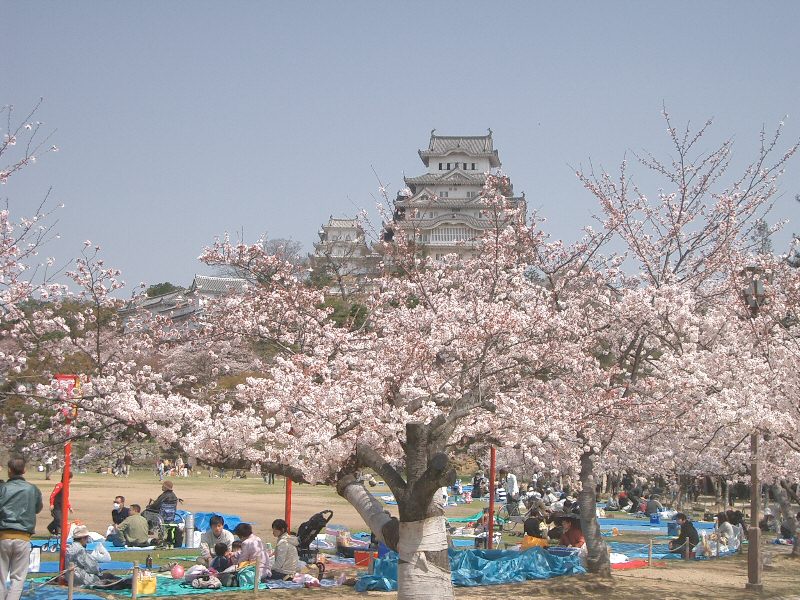
Hanami花見
The Japanese tradition of gathering to enjoy cherry blossoms in spring
🇯🇵 Japan and 7 more · Custom, Jan to May
Decoration
Hanami花見
The Japanese tradition of gathering to enjoy cherry blossoms in spring
🇯🇵 Japan and 7 more · Custom, Jan to May
 Decoration
Sōgetsu草月流
A modern school of Japanese ikebana open to all materials and styles
🇯🇵 Japan · Arrangement
Decoration
Sōgetsu草月流
A modern school of Japanese ikebana open to all materials and styles
🇯🇵 Japan · Arrangement
More from Ireland
All the flowers of Ireland Decoration
May devotions to the Blessed Virgin Mary
Month-long Catholic customs honouring Mary with flowers, altars, and processions
🇮🇹 Italy and 7 more · Custom, May
Decoration
May devotions to the Blessed Virgin Mary
Month-long Catholic customs honouring Mary with flowers, altars, and processions
🇮🇹 Italy and 7 more · Custom, May
 Decoration
Corn dolly
Straw figures shaped for harvest customs across Europe
🇮🇪 Ireland and 3 more · Flower craft
Decoration
Corn dolly
Straw figures shaped for harvest customs across Europe
🇮🇪 Ireland and 3 more · Flower craft
 Decoration
BeltaneBealtaine / Là Bealltainn / Boaltinn
The Gaelic May Day festival with bonfires and yellow flower decorations
🇮🇪 Ireland and 1 more · Custom, May
Decoration
BeltaneBealtaine / Là Bealltainn / Boaltinn
The Gaelic May Day festival with bonfires and yellow flower decorations
🇮🇪 Ireland and 1 more · Custom, May
 Decoration
Remembrance poppy
An artificial red poppy worn to honour those lost in war
🇬🇧 United Kingdom and 7 more · Worn flowers, Apr to Nov
Decoration
Remembrance poppy
An artificial red poppy worn to honour those lost in war
🇬🇧 United Kingdom and 7 more · Worn flowers, Apr to Nov