
Beltane
In its own language: Bealtaine / Là Bealltainn / Boaltinn
The Gaelic May Day festival with bonfires and yellow flower decorations
Beltane is a Gaelic festival held on 1 May to welcome summer, once widely marked in Ireland, Scotland, and the Isle of Man. It features bonfires, decorated homes and livestock with yellow May flowers, and rituals for protection and growth, some of which are still observed by modern pagans.
- Bonfires are lit on hilltops to mark the start of summer
- Homes and livestock are decorated with yellow May flowers
- A May Bush is adorned with flowers, ribbons, and shells
- Cattle and people pass near the fire for protection
- Some food and drink are offered to spirits during the feast
What is Beltane?
Beltane is a traditional festival that marks the start of summer in Gaelic culture. People gather to light large bonfires, often on hilltops, and decorate their homes, doors, and livestock with yellow May flowers. A May Bush—usually a thorn branch adorned with flowers, ribbons, shells, and candles—is set up in some areas. The festival also includes feasting and visits to holy wells.
Where does Beltane come from?
Beltane began as a pastoral tradition among Gaelic-speaking communities, especially herders moving livestock to summer pastures. The festival’s name appears in early Irish texts and place names, and its customs are linked to ancient fire rituals. Similar celebrations are found in other parts of Europe, suggesting deep roots in seasonal and agricultural cycles.
How Beltane is made
On Beltane, all household fires are put out before a new communal bonfire is lit, sometimes using wooden friction methods. People and cattle pass between or near the flames for protection. Homes and byres are decorated with yellow flowers, and a May Bush is set up with flowers and bright objects. Some food and drink are offered to spirits, and dew collected on this day is used for good fortune.


When and where Beltane is used
Beltane is celebrated by communities in Ireland, Scotland, and the Isle of Man, and by modern pagans. Traditionally, it was a time for rituals to guard against harm and encourage growth, involving fire, flowers, and offerings. Today, some places hold public events or revive old customs, especially around 1 May.
Forms of Beltane
Names and customs vary by region: in Ireland it is Bealtaine, in Scotland Là Bealltainn, and in Manx Boaltinn or Boaldyn. Decorations and rituals can include different flowers, types of May Bush, and local foods. Some modern groups adapt the festival for religious or cultural reasons, and in the Southern Hemisphere, it may be observed in November.
What Beltane means
Beltane is closely tied to Gaelic identity and folklore, with links to ancient mythology and seasonal cycles. It is one of four key festivals in the Gaelic year. The bonfire and flower customs symbolize protection, renewal, and the coming of summer. Place names and literature reflect its importance in Irish and Scottish history.
Days and festivals
Questions people ask about Beltane
Where does Beltane come from?
Beltane has its roots in Gaelic-speaking regions, especially Ireland, Scotland, and the Isle of Man. It began as a pastoral festival marking the move of livestock to summer pastures and is mentioned in early Irish literature.
What happens at a Beltane celebration?
People light bonfires, decorate homes and animals with yellow flowers, set up a May Bush, and share a feast. Rituals are performed for protection and to encourage growth, and some food is offered to spirits.
What do the flowers used at Beltane represent?
Yellow May flowers are used to decorate homes, doors, and animals, possibly because their color is linked to fire and the sun, both important symbols for protection and the start of summer.
Is Beltane still celebrated today?
While many customs faded in the 20th century, some communities and modern pagans have revived Beltane traditions, holding public events and private rituals around 1 May.
What does Beltane symbolise?
Beltane marks the beginning of summer and is associated with protection, fertility, and renewal. The customs focus on safeguarding people, livestock, and crops for the coming season.
Good reading and sources
The facts on this page come from the Wikipedia article "Beltane", written by its contributors and used under the CC BY-SA 4.0 licence, and from its Wikidata record (CC0). Phool rewrote the text in its own words, with AI assistance, and compares every page with the article to make sure no passage is copied. It may be reused under the same CC BY-SA 4.0 licence with a link back.
It may contain mistakes. If something is wrong, tell us. Last refreshed 2026-10-03.
More of the same kind
 Decoration
Bonsai盆栽
The Japanese art of shaping miniature trees in shallow pots
🇯🇵 Japan and 7 more · Art or design
Decoration
Bonsai盆栽
The Japanese art of shaping miniature trees in shallow pots
🇯🇵 Japan and 7 more · Art or design
 Decoration
Tokonoma床の間
A Japanese alcove for displaying scrolls and flower arrangements
🇯🇵 Japan · Arrangement
Decoration
Tokonoma床の間
A Japanese alcove for displaying scrolls and flower arrangements
🇯🇵 Japan · Arrangement
 Decoration
Hanami花見
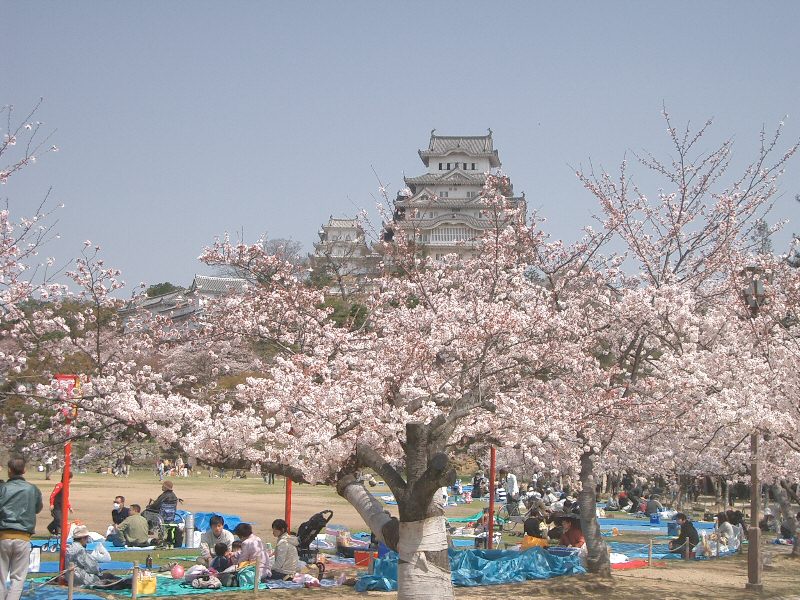
The Japanese tradition of gathering to enjoy cherry blossoms in spring
🇯🇵 Japan and 7 more · Custom, Jan to May
Decoration
Hanami花見
The Japanese tradition of gathering to enjoy cherry blossoms in spring
🇯🇵 Japan and 7 more · Custom, Jan to May
 Decoration
Sōgetsu草月流
A modern school of Japanese ikebana open to all materials and styles
🇯🇵 Japan · Arrangement
Decoration
Sōgetsu草月流
A modern school of Japanese ikebana open to all materials and styles
🇯🇵 Japan · Arrangement
More from Ireland
All the flowers of Ireland Decoration
May devotions to the Blessed Virgin Mary
Month-long Catholic customs honouring Mary with flowers, altars, and processions
🇮🇹 Italy and 7 more · Custom, May
Decoration
May devotions to the Blessed Virgin Mary
Month-long Catholic customs honouring Mary with flowers, altars, and processions
🇮🇹 Italy and 7 more · Custom, May
 Decoration
Corn dolly
Straw figures shaped for harvest customs across Europe
🇮🇪 Ireland and 3 more · Flower craft
Decoration
Corn dolly
Straw figures shaped for harvest customs across Europe
🇮🇪 Ireland and 3 more · Flower craft
 Decoration
May Day Festival
A spring festival with flowers, greenery, maypoles and bonfires on the first of May
🇮🇪 Ireland and 5 more · Custom, May
Decoration
May Day Festival
A spring festival with flowers, greenery, maypoles and bonfires on the first of May
🇮🇪 Ireland and 5 more · Custom, May
 Decoration
Remembrance poppy
An artificial red poppy worn to honour those lost in war
🇬🇧 United Kingdom and 7 more · Worn flowers, Apr to Nov
Decoration
Remembrance poppy
An artificial red poppy worn to honour those lost in war
🇬🇧 United Kingdom and 7 more · Worn flowers, Apr to Nov