
Maypole
A tall decorated pole at the heart of spring and summer festivals in Europe
A maypole is a tall wooden pole set up for folk festivals in parts of Europe, especially on May Day or at Midsummer. People decorate it with ribbons, garlands, or emblems, and dance around it in celebration of the return of warmer seasons. The tradition varies by country and often marks local or romantic customs.
- Maypoles are raised for spring and summer festivals across Europe.
- In Germany and Austria, maypoles are often decorated with local emblems and colors.
- Hungarian maypoles play a part in rural courtship and are decorated with gifts.
- Brussels and Leuven in Belgium compete each year to erect the 'real' Meyboom.
- Dancing around the maypole with ribbons is a common festive custom.
What is Maypole?
A maypole is a tall, straight wooden pole, often stripped of bark and sometimes painted or adorned with emblems, garlands, and long ribbons. In some places, it is topped with foliage or a wreath. The pole is usually set up in a village square or green, and people gather around it to dance, sing, and celebrate. The decorations and style can vary widely, from simple branches to elaborate painted trunks with local symbols.
Where does Maypole come from?
The exact origins of the maypole are unclear, but it has been a part of European festivals since at least the late Middle Ages. It is most common in Germanic and neighboring regions, with records of maypoles in Britain from the 14th century. Some believe it is linked to ancient pagan customs or the veneration of sacred trees, but there is no firm evidence for this. Over time, the maypole became a symbol of the arrival of spring or summer and was adopted into Christian-era village celebrations.
How Maypole is made
The maypole is usually made from a tall, straight tree such as birch or poplar. It is cut, stripped of branches (except sometimes at the top), and decorated with ribbons, flowers, or painted emblems. In some regions, the pole is stored in secret before being raised, sometimes with playful attempts to steal it by neighboring villages. The pole is erected with the help of ropes, ladders, or machinery, and the community gathers for the event.


When and where Maypole is used
Maypoles are central to spring and summer festivals, especially on May Day, Pentecost, or Midsummer. People dance around the pole, sometimes weaving ribbons in patterns. In some areas, young men place smaller decorated trees or branches at the homes of sweethearts. The maypole may stay up for a few weeks or all year, depending on local custom. In Belgium and Germany, the event is tied to local rivalries and village pride.
Forms of Maypole
Traditions differ by country and even by village. In Belgium, the Meyboom is linked to a rivalry between Brussels and Leuven. In Germany, the Maibaum is often painted in blue and white and decorated with local emblems. In Hungary, the length of the pole is important, and it is part of courtship rituals. Italian maypoles sometimes carry political symbols, such as the red flag of socialism. Some maypoles are permanent fixtures, while others are erected just for the festival.
What Maypole means
The maypole is widely seen as a symbol of the return of warmth and growth. While some have speculated about deeper meanings, most historians agree it is a joyful marker of the changing seasons. In literature and local lore, the maypole is often associated with village life, romance, and community spirit. The tradition continues in parts of Europe and among European communities abroad, keeping alive a sense of shared heritage.
The flowers of Maypole

Days and festivals
Questions people ask about Maypole
Where does the maypole tradition come from?
The maypole is found mainly in Germanic Europe and neighboring regions, with records dating back to the Middle Ages. Its exact origins are unknown, but it has long been part of spring and summer festivals.
What does the maypole symbolize?
Most historians agree the maypole marks the return of the warm season and new growth. While some have suggested deeper meanings, there is no clear evidence of a single original symbolism.
How is a maypole decorated?
A maypole is usually a tall, straight tree or pole, decorated with ribbons, garlands, flowers, and sometimes painted emblems or flags. Decorations vary by region and local tradition.
When are maypoles raised?
Maypoles are most often raised on May Day (1 May), Pentecost, or during Midsummer in June, depending on local custom. Some places keep the pole up all year, while others take it down after the festival.
What happens at a maypole festival?
People gather to watch the maypole being raised, then celebrate with music, dancing—often weaving ribbons around the pole—food, and village festivities. In some places, the event includes playful rivalries or romantic customs.
Good reading and sources
The facts on this page come from the Wikipedia article "Maypole", written by its contributors and used under the CC BY-SA 4.0 licence, and from its Wikidata record (CC0). Phool rewrote the text in its own words, with AI assistance, and compares every page with the article to make sure no passage is copied. It may be reused under the same CC BY-SA 4.0 licence with a link back.
It may contain mistakes. If something is wrong, tell us. Last refreshed 2026-10-03.
More of the same kind
 Decoration
Tokonoma床の間
A Japanese alcove for displaying scrolls and flower arrangements
🇯🇵 Japan · Arrangement
Decoration
Tokonoma床の間
A Japanese alcove for displaying scrolls and flower arrangements
🇯🇵 Japan · Arrangement
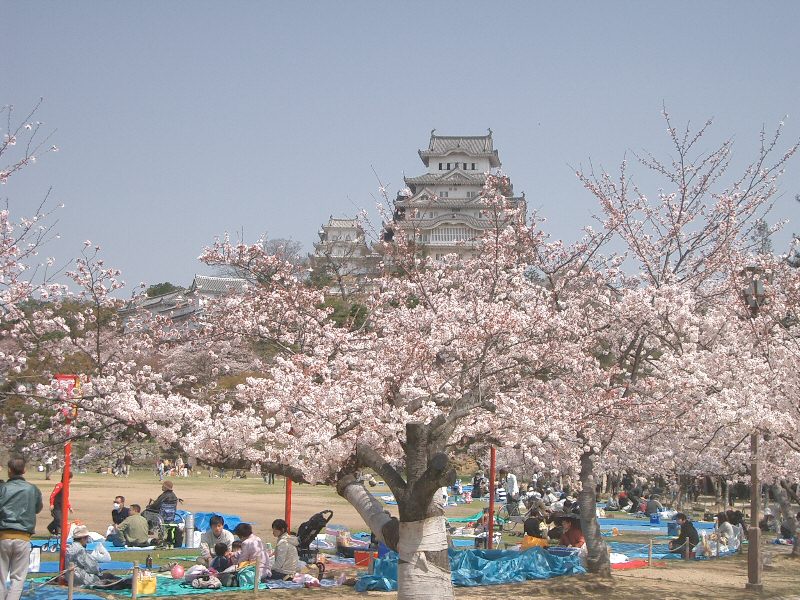 Decoration
Hanami花見
The Japanese tradition of gathering to enjoy cherry blossoms in spring
🇯🇵 Japan and 7 more · Custom, Jan to May
Decoration
Hanami花見
The Japanese tradition of gathering to enjoy cherry blossoms in spring
🇯🇵 Japan and 7 more · Custom, Jan to May
 Decoration
Bouquet
A creative arrangement of flowers, given or displayed for many occasions
🇨🇳 China and 1 more · Arrangement
Decoration
Bouquet
A creative arrangement of flowers, given or displayed for many occasions
🇨🇳 China and 1 more · Arrangement
 Decoration
Sōgetsu草月流
A modern school of Japanese ikebana open to all materials and styles
🇯🇵 Japan · Arrangement
Decoration
Sōgetsu草月流
A modern school of Japanese ikebana open to all materials and styles
🇯🇵 Japan · Arrangement
More from Germany
All the flowers of Germany Decoration
Bonsai盆栽
The Japanese art of shaping miniature trees in shallow pots
🇯🇵 Japan and 7 more · Art or design
Decoration
Bonsai盆栽
The Japanese art of shaping miniature trees in shallow pots
🇯🇵 Japan and 7 more · Art or design
 Decoration
Herbarium
A scientific collection of preserved plant specimens for study and reference
🇩🇪 Germany and 1 more · Parade or display
Decoration
Herbarium
A scientific collection of preserved plant specimens for study and reference
🇩🇪 Germany and 1 more · Parade or display
 Decoration
May Day Festival
A spring festival with flowers, greenery, maypoles and bonfires on the first of May
🇮🇪 Ireland and 5 more · Custom, May
Decoration
May Day Festival
A spring festival with flowers, greenery, maypoles and bonfires on the first of May
🇮🇪 Ireland and 5 more · Custom, May
 Decoration
Advent wreathAdventskranz
A ring of evergreens and candles marking each week of Advent
🇩🇪 Germany and 2 more · Worn flowers, Nov to Dec
Decoration
Advent wreathAdventskranz
A ring of evergreens and candles marking each week of Advent
🇩🇪 Germany and 2 more · Worn flowers, Nov to Dec