
Herbarium
A scientific collection of preserved plant specimens for study and reference
A herbarium is a collection where plant specimens are preserved, usually dried and mounted on sheets, along with detailed data. These collections, found in museums, universities, and botanical gardens worldwide, are vital for plant research, identification, and tracking changes in plant life over time.
- Herbaria preserve dried plant specimens for scientific study and reference.
- The oldest surviving herbarium dates to around 1532.
- Major herbaria are found in Paris, New York, Kew, and other cities.
- Specimens include detailed data on collection and habitat.
- Herbaria are vital for plant identification and tracking changes over time.
What is Herbarium?
A herbarium is a carefully organized collection of preserved plant specimens, most often dried and pressed flat, then mounted on stiff white sheets. Each specimen is labeled with details such as where and when it was collected, its habitat, and who collected it. Some herbaria also keep bulky or delicate parts, like cones or fruits, in boxes or preserved in alcohol. The collection is stored in cabinets, sorted by plant family and species, and serves as a reference for scientists and students.
Where does Herbarium come from?
The practice of making herbaria dates back at least six centuries, with early roots in Italy. Luca Ghini, a physician and botanist in Bologna, revived the study of actual plants by pressing and drying them for study, rather than relying on old texts. Early herbaria were bound like books, but Carl Linnaeus later introduced the use of loose sheets for easier reordering. The oldest surviving herbarium is from around 1532. Over time, herbaria became central to the study of plants as a science, helping document plant life from distant places and across centuries.
How Herbarium is made
To create a herbarium specimen, a plant is collected in the field and arranged flat between sheets of absorbent paper, then pressed and dried. The specimen is later mounted on a sheet of stiff paper and labeled with important information. For plants that cannot be pressed, such as cones or large fruits, other methods like storage in boxes or preservation in alcohol are used. The sheets are then organized by species and family in folders and cabinets, with careful attention to labeling and protection from pests.


When and where Herbarium is used
Herbaria are used by botanists, ecologists, and other scientists to identify plants, study their distribution, and track changes in vegetation over time. They serve as a reference for naming and classifying plants, and can provide the only record of extinct or rare species. Herbaria are also valuable for genetic studies, as preserved specimens can yield DNA for research. Field guides and manuals often rely on herbarium collections to show the range and variation of plants.
Forms of Herbarium
Some herbaria specialize in certain types of plants, such as wood (xylarium) or fungi (fungarium). Others focus on horticultural plants and are called hortoria. The largest herbaria are found in cities like Paris, New York, Kew, St. Petersburg, and Geneva, each housing millions of specimens. Collections may include types, which are the original specimens used to describe a species, and exsiccata, which are published series of specimens.
What Herbarium means
Herbaria have played a key role in the development of botany as a science, shifting the focus from medicinal uses to plant classification and study. They are important for conservation, helping track plant extinction and environmental change. Some herbaria, like the Linnaean Herbarium in England, hold historic specimens collected by famous botanists. The organization and preservation of herbaria are recognized as essential for ongoing research and education.
Traditions that use it
Questions people ask about Herbarium
What is a herbarium?
A herbarium is a collection of preserved plant specimens, usually dried and mounted on sheets, along with detailed information about where and when they were collected. These collections are used for scientific study and reference.
Where did the herbarium tradition begin?
The tradition of making herbaria began in Italy, with early work by Luca Ghini in the 16th century. The oldest surviving herbarium dates from around 1532.
How are herbarium specimens prepared?
Plants are collected, pressed flat between sheets of absorbent paper, and dried. The dried specimen is then mounted on a sheet, labeled with collection data, and stored in protective cabinets.
What are herbaria used for?
Herbaria are used to identify plants, study their distribution, track environmental changes, and provide reference material for scientific research, including DNA studies and writing field guides.
Are there different types of herbaria?
Yes, some herbaria specialize in certain groups, such as wood (xylarium) or fungi (fungarium), and others focus on horticultural plants. Major herbaria are found in cities like Paris, New York, and Kew.
Good reading and sources
The facts on this page come from the Wikipedia article "Herbarium", written by its contributors and used under the CC BY-SA 4.0 licence, and from its Wikidata record (CC0). Phool rewrote the text in its own words, with AI assistance, and compares every page with the article to make sure no passage is copied. It may be reused under the same CC BY-SA 4.0 licence with a link back.
It may contain mistakes. If something is wrong, tell us. Last refreshed 2026-10-03.
More of the same kind
 Decoration
Floriculture
The science and business of growing flowers and ornamental plants
Arrangement
Decoration
Floriculture
The science and business of growing flowers and ornamental plants
Arrangement
 Decoration
Onam
Kerala’s ten-day harvest festival with flower carpets, feasts and boat races
🇮🇳 India and 1 more · Custom, Aug to Sep
Decoration
Onam
Kerala’s ten-day harvest festival with flower carpets, feasts and boat races
🇮🇳 India and 1 more · Custom, Aug to Sep
 Decoration
Day of the DeadDía de (los) Muertos
Mexico’s festival of remembrance with altars, marigolds, and sugar skulls
🇲🇽 Mexico · Custom, November
Decoration
Day of the DeadDía de (los) Muertos
Mexico’s festival of remembrance with altars, marigolds, and sugar skulls
🇲🇽 Mexico · Custom, November
 Decoration
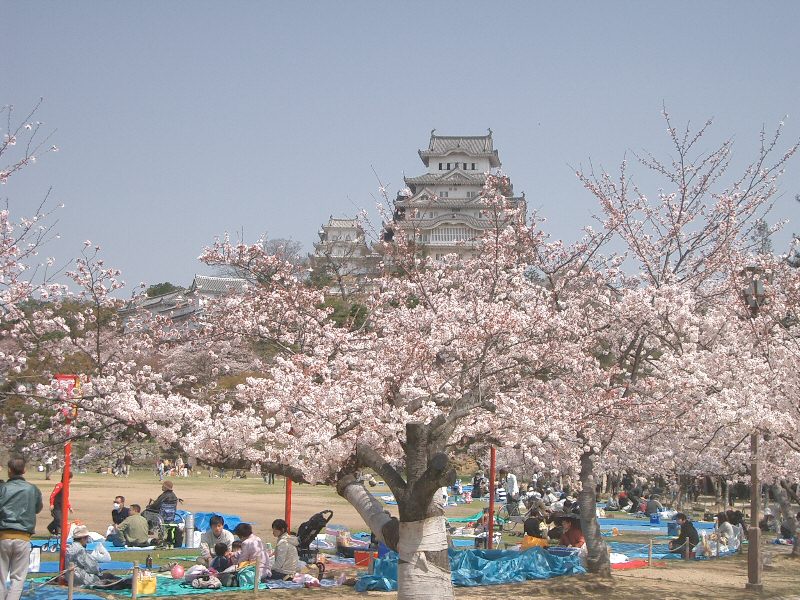
Hanami花見
The Japanese tradition of gathering to enjoy cherry blossoms in spring
🇯🇵 Japan and 7 more · Custom, Jan to May
Decoration
Hanami花見
The Japanese tradition of gathering to enjoy cherry blossoms in spring
🇯🇵 Japan and 7 more · Custom, Jan to May
More from Germany
All the flowers of Germany Decoration
Maypole
A tall decorated pole at the heart of spring and summer festivals in Europe
🇩🇪 Germany and 6 more · Custom
Decoration
Maypole
A tall decorated pole at the heart of spring and summer festivals in Europe
🇩🇪 Germany and 6 more · Custom
 Decoration
May Day Festival
A spring festival with flowers, greenery, maypoles and bonfires on the first of May
🇮🇪 Ireland and 5 more · Custom, May
Decoration
May Day Festival
A spring festival with flowers, greenery, maypoles and bonfires on the first of May
🇮🇪 Ireland and 5 more · Custom, May
 Decoration
Bonsai盆栽
The Japanese art of shaping miniature trees in shallow pots
🇯🇵 Japan and 7 more · Art or design
Decoration
Bonsai盆栽
The Japanese art of shaping miniature trees in shallow pots
🇯🇵 Japan and 7 more · Art or design
 Decoration
Wreath
A ring-shaped decoration made from flowers, leaves, or other materials
🇬🇷 Greece and 7 more · Arrangement
Decoration
Wreath
A ring-shaped decoration made from flowers, leaves, or other materials
🇬🇷 Greece and 7 more · Arrangement