
Day of the Dead
In its own language: Día de (los) Muertos
Mexico’s festival of remembrance with altars, marigolds, and sugar skulls
Day of the Dead is a Mexican holiday held on November 1 and 2, when families gather to honour and remember loved ones who have died. Homes and graves are decorated with marigolds, candles, and offerings, and altars are made with food, drinks, and sugar skulls to welcome the spirits.
- Altars are decorated with marigolds, candles, and offerings for the dead
- Celebrated on November 1 and 2 across Mexico
- UNESCO recognized it as intangible cultural heritage in 2008
- Sugar skulls and special bread are made and shared
- Public parades now take place in Mexico City
What is Day of the Dead?
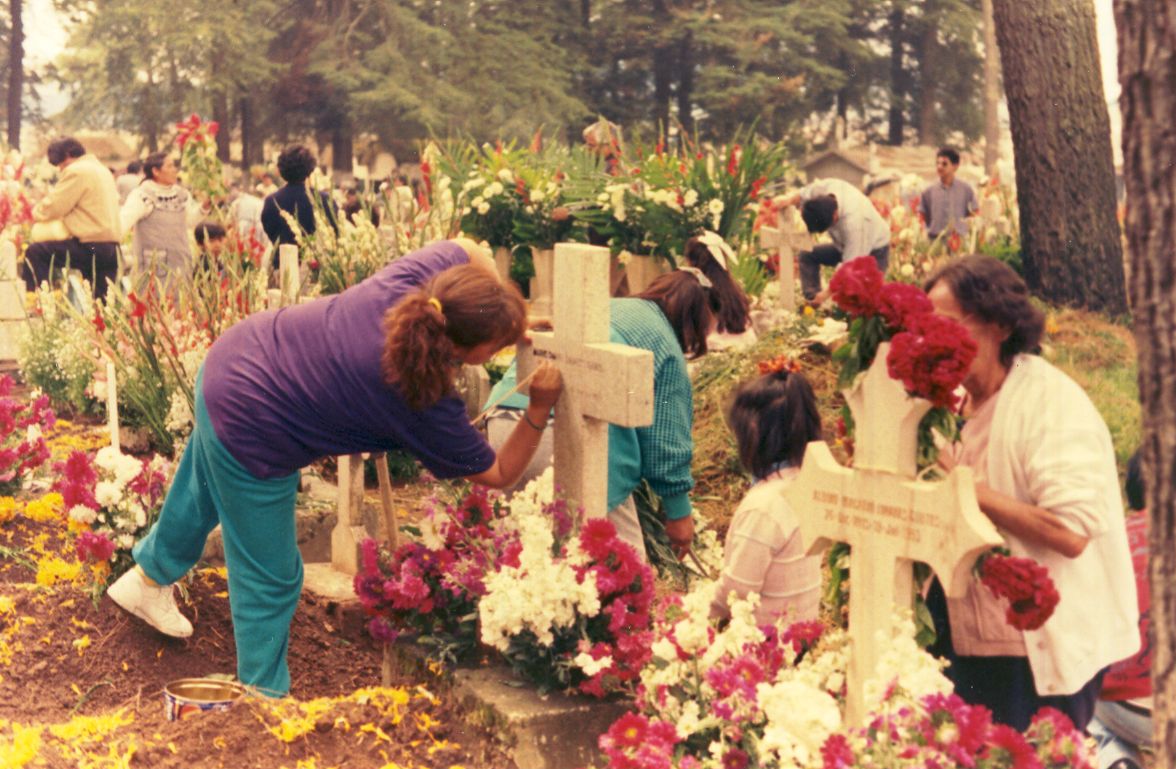
Day of the Dead is marked by colourful altars called ofrendas, set up in homes and cemeteries. These altars are decorated with marigold flowers (cempasúchil), candles, photos, food, drinks, and sugar skulls. Papel picado (cut paper banners) and figurines of skeletons add to the festive look. The overall scene is bright and welcoming, meant to guide the spirits of the dead back to visit their families.
Where does Day of the Dead come from?
The holiday blends Indigenous Mesoamerican beliefs about honouring the dead with Spanish Catholic traditions brought during colonization. Some historians see it as a modern adaptation of European Allhallowtide customs, while others point to ancient Aztec festivals that celebrated the dead. In the 20th century, the Mexican government promoted it as a national tradition, and in 2008 UNESCO recognized it as part of Mexico’s intangible cultural heritage.
How Day of the Dead is made
Families build altars at home or in cemeteries, arranging marigold flowers, candles, and photos of the deceased. Favourite foods and drinks of the departed are placed as offerings. Sugar skulls and special bread (pan de muerto) are made and shared. Decorations like papel picado and figurines of skeletons are added. The process is communal, with family members contributing to the display.



When and where Day of the Dead is used
Day of the Dead is celebrated on November 1 and 2, with some regions starting on October 31. Families gather to remember and honour their dead, telling stories and sharing meals. Altars are visited, and graves are cleaned and decorated. The mood is often joyful, focusing on remembrance rather than mourning. In recent years, public parades and displays have become common, especially in Mexico City.
Forms of Day of the Dead
While the core customs are shared across Mexico, each region and community may have its own ways of celebrating. Some places hold parades or public displays, while others focus on private family gatherings. The types of food, decorations, and even the style of altars can vary. Outside Mexico, Day of the Dead is also observed in areas with large Mexican communities.
What Day of the Dead means
Day of the Dead is a symbol of Mexican identity and collective memory. It is taught in schools and widely recognized as a national tradition. The holiday is linked to Christian All Saints' and All Souls' Days but is shaped by local beliefs and practices. In 2008, UNESCO listed it as an Intangible Cultural Heritage of Humanity. Marigolds, sugar skulls, and skeleton imagery are central symbols.
The flowers of Day of the Dead


Traditions that use it
Where to see Day of the Dead

Days and festivals
Questions people ask about Day of the Dead
Where does Day of the Dead come from?
Day of the Dead has roots in both Indigenous Mesoamerican rituals and Spanish Catholic traditions. It developed over time in Mexico and became a national symbol, blending elements from both cultures.
What flowers are used for Day of the Dead?
Marigolds, called cempasúchil in Mexico, are the main flowers used. Their bright orange and yellow colours are believed to help guide the spirits of the dead back to visit their families.
What happens during Day of the Dead?
Families build altars with flowers, candles, food, and photos to honour their deceased loved ones. They visit graves, share meals, and remember the dead with stories and offerings. The mood is festive and focused on remembrance.
Is Day of the Dead a religious holiday?
It is linked to Christian All Saints' and All Souls' Days, but also includes Indigenous beliefs and customs. The holiday is a blend of religious and cultural elements.
What does Day of the Dead symbolise?
It symbolises remembrance, family, and the connection between the living and the dead. The holiday celebrates life and honours ancestors, making it a key part of Mexican culture.
Good reading and sources
- Literary CalaverasSmithsonian Magazine, Article
- Mexico City stages first Day of the Dead paradeBBC, Article
- Day of the Dead on WikipediaEncyclopedia
- More photos on Wikimedia CommonsPhotos
- Wikidata recordOpen data
The facts on this page come from the Wikipedia article "Day of the Dead", written by its contributors and used under the CC BY-SA 4.0 licence, and from its Wikidata record (CC0). Phool rewrote the text in its own words, with AI assistance, and compares every page with the article to make sure no passage is copied. It may be reused under the same CC BY-SA 4.0 licence with a link back.
It may contain mistakes. If something is wrong, tell us. Last refreshed 2026-10-03.
More of the same kind
 Decoration
Bonsai盆栽
The Japanese art of shaping miniature trees in shallow pots
🇯🇵 Japan and 7 more · Art or design
Decoration
Bonsai盆栽
The Japanese art of shaping miniature trees in shallow pots
🇯🇵 Japan and 7 more · Art or design
 Decoration
Tokonoma床の間
A Japanese alcove for displaying scrolls and flower arrangements
🇯🇵 Japan · Arrangement
Decoration
Tokonoma床の間
A Japanese alcove for displaying scrolls and flower arrangements
🇯🇵 Japan · Arrangement
 Decoration
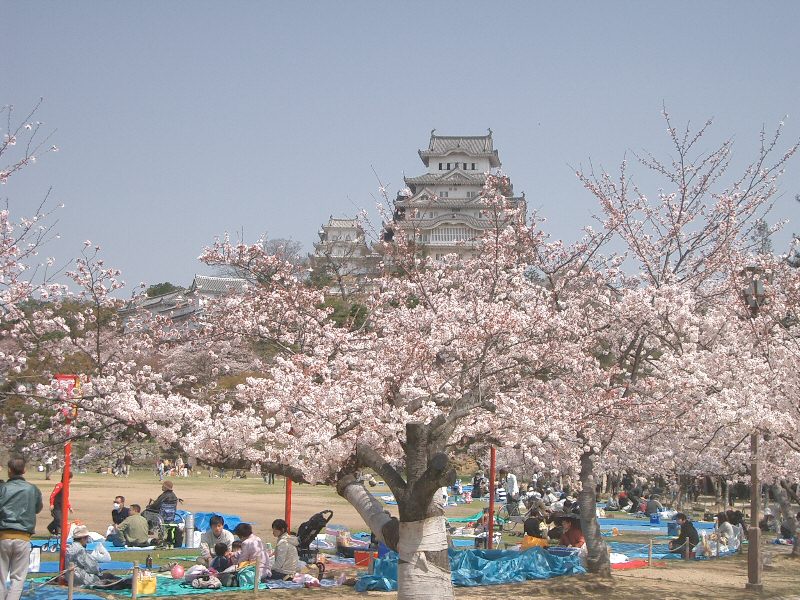
Hanami花見
The Japanese tradition of gathering to enjoy cherry blossoms in spring
🇯🇵 Japan and 7 more · Custom, Jan to May
Decoration
Hanami花見
The Japanese tradition of gathering to enjoy cherry blossoms in spring
🇯🇵 Japan and 7 more · Custom, Jan to May
 Decoration
Sōgetsu草月流
A modern school of Japanese ikebana open to all materials and styles
🇯🇵 Japan · Arrangement
Decoration
Sōgetsu草月流
A modern school of Japanese ikebana open to all materials and styles
🇯🇵 Japan · Arrangement
More from Mexico
All the flowers of Mexico Decoration
Ofrenda
A home altar with offerings for Día de los Muertos in Mexico
🇲🇽 Mexico · Offering or rite, November
Decoration
Ofrenda
A home altar with offerings for Día de los Muertos in Mexico
🇲🇽 Mexico · Offering or rite, November
 Decoration
Flower carpet
Patterns made on the ground from fresh flowers or petals
🇧🇪 Belgium and 3 more · Carpet or floor pattern, Aug to Dec
Decoration
Flower carpet
Patterns made on the ground from fresh flowers or petals
🇧🇪 Belgium and 3 more · Carpet or floor pattern, Aug to Dec
 Decoration
Floral design
The art of arranging flowers and plant materials into decorative displays
🇪🇬 Egypt and 7 more · Arrangement
Decoration
Floral design
The art of arranging flowers and plant materials into decorative displays
🇪🇬 Egypt and 7 more · Arrangement
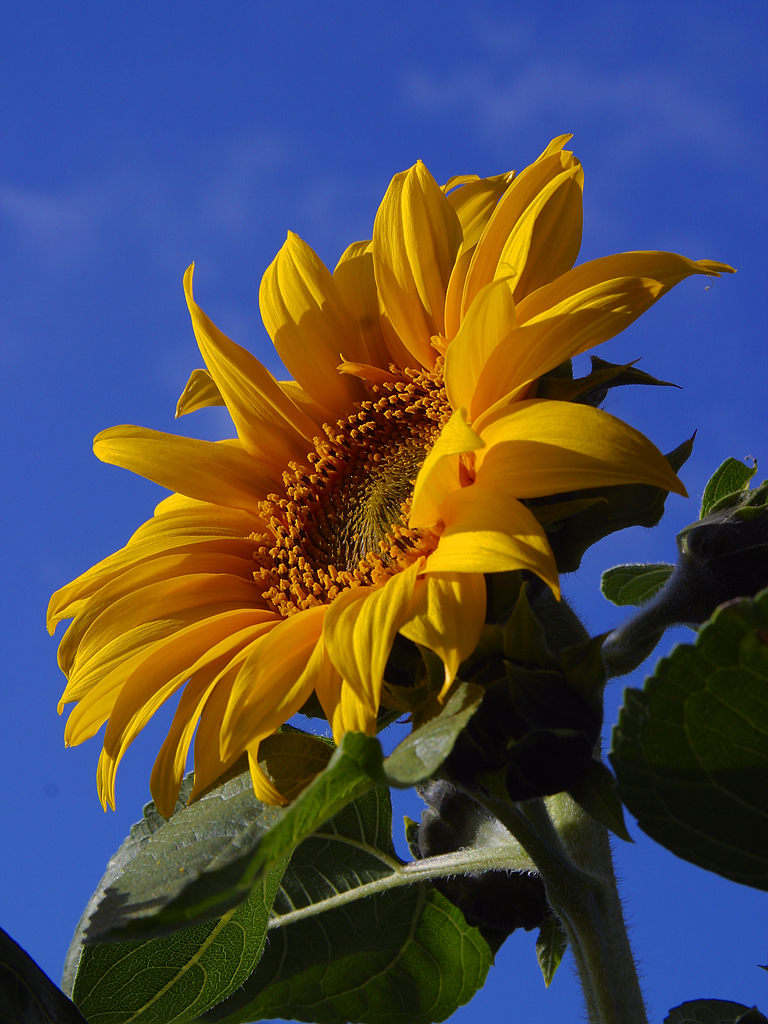 Common sunflowerHelianthus annuus
A tall annual plant grown for its large yellow flower heads and edible seeds
🇨🇦 Canada and 4 more · Wildflower
Common sunflowerHelianthus annuus
A tall annual plant grown for its large yellow flower heads and edible seeds
🇨🇦 Canada and 4 more · Wildflower