
Marigold
Tagetes, family Asteraceae
A group of bright annual and perennial flowers known worldwide as marigolds
Marigolds (Tagetes) are a group of about 50 species of flowering plants, grown for their golden, orange, yellow, or white blooms. Native to Mexico and parts of Latin America, marigolds are widely cultivated for decoration, rituals, food color, and as herbs in many countries.
- Tagetes includes about 50 species of marigolds.
- Marigolds are central to Day of the Dead celebrations in Mexico.
- The petals are used as a food color in the European Union.
- Marigolds are widely grown for garlands in India and Bangladesh.
- Some species are used as herbs and for making tea.
What does Marigold look like?
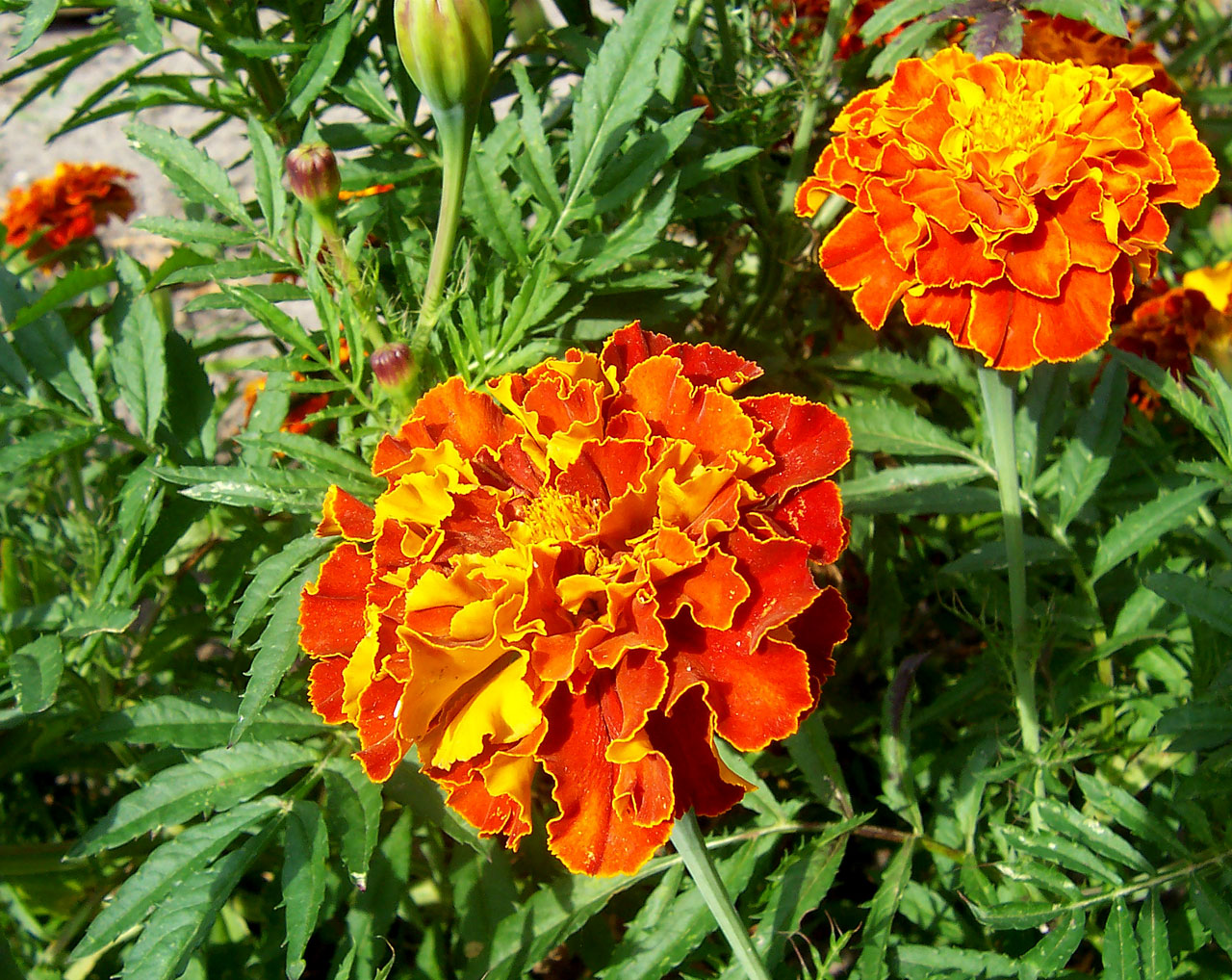
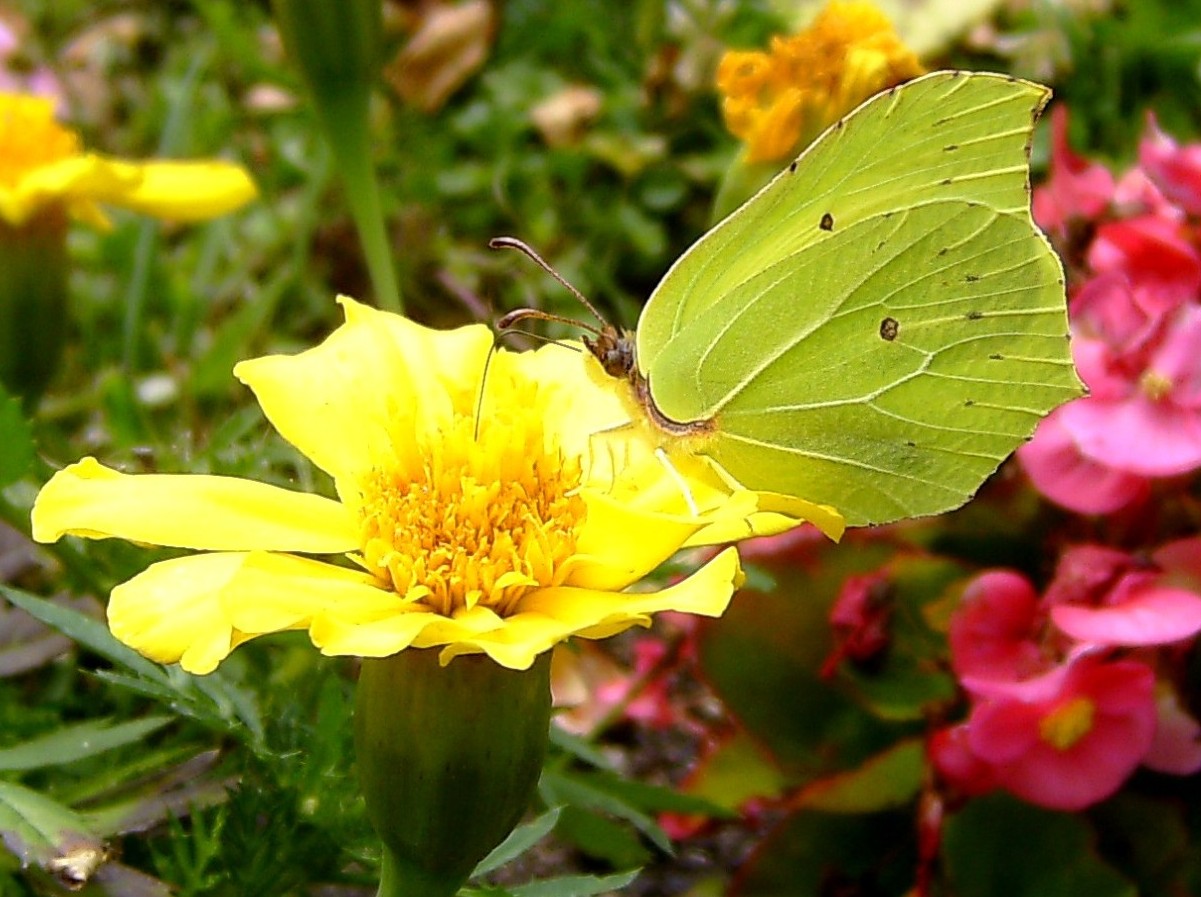
Marigolds in the Tagetes genus range from small plants about 10 cm tall to those reaching over 2 meters. Their leaves are usually divided and green, and the flowers appear in shades of yellow, orange, gold, white, and sometimes have maroon markings. The flower heads are made up of both ray and disc florets, and can be up to 6 cm across. Some types have a strong, musky scent, while others are bred to have little or no fragrance.
Where does Marigold come from?
Tagetes plants were first known to the Nahua people, who called them cempōhualxōchitl. They are originally from Mexico and other parts of Latin America. The name Tagetes was chosen by Carl Linnaeus in the 18th century, drawing on earlier botanical works and Etruscan myth. Over time, marigolds spread to many parts of the world, both as garden plants and as naturalized wildflowers.
When and how Marigold blooms
Most marigolds are grown as annuals, though some perennial species are now popular. They grow in many soil types, but do best in well-drained ground. Marigolds are usually started from seed, and can tolerate dry conditions. Their fibrous roots help them thrive in a range of environments. Some species, like T. minuta, are even used to reclaim disturbed land.


How Marigold is used
Marigolds are used in many ways: as decorations for weddings and festivals, in garlands, and for daily rituals in South Asia. In Mexico, Tagetes erecta is central to Day of the Dead altars. The petals of some species are used as a food color in Europe and as a flavoring or herb in South America. Marigold oil is used in perfumes, and some types are brewed as herbal teas.
Kinds of Marigold
The most familiar marigolds in gardens are African marigolds (Tagetes erecta), French marigolds (Tagetes patula), and signet marigolds (Tagetes tenuifolia). T. minuta, known as huacatay, is valued as a herb in South America. T. lucida, or pericón, is used for tea and as a tarragon substitute. Many cultivars have been developed for different flower sizes, colors, and scents.
What Marigold means
Marigolds are deeply woven into the traditions of several countries. In Mexico, they are a symbol of remembrance for the dead. In India and Bangladesh, they are part of wedding and festival decorations. Ukraine regards marigolds as a national symbol, appearing in songs and stories. The flower's bright color and easy growth have made it a favorite for rituals, gardens, and art.
Where Marigold is used and seen
 OnamKerala’s ten-day harvest festival with flower carpets, feasts and boat races
 Day of the DeadMexico’s festival of remembrance with altars, marigolds, and sugar skulls
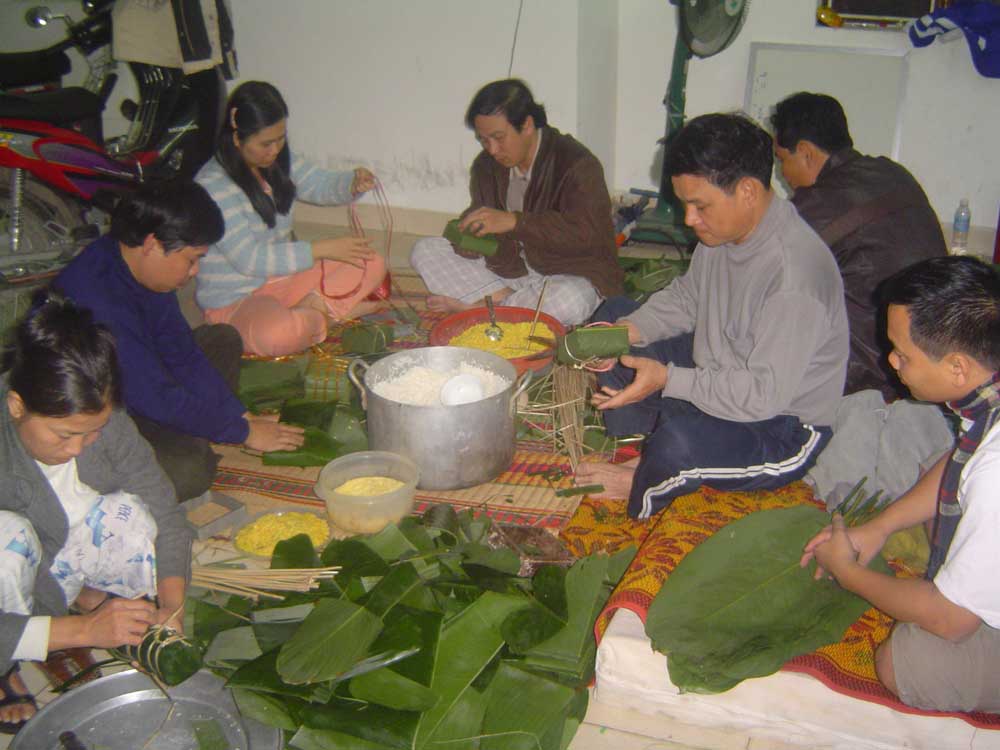 TếtVietnam's spring new year festival with flowers, family, and lucky customs
 Da LatVietnam’s highland city famous for flowers, cool climate, and French villas
 Cut flowersFresh flowers and buds trimmed for decoration and display
 ToranA festive hanging of flowers and leaves for Hindu doorways and celebrations
 Rose and Jasmine GardenA public garden in Islamabad with hundreds of rose and jasmine varieties
 Palm SundayChristian festival with palms or local branches marking Jesus’s entry into Jerusalem
Traditions that use it
Where to see Marigold
 🇦🇪 Dubai · Jan to DecDubai Miracle GardenA winter-only display garden in the desert, with huge structures covered in bedding flowers.
 🇵🇦 Boquete · JanuaryThe Flower and Coffee Fair in BoqueteA January fair in Panama's cool coffee highlands, with a riverside fairground planted out in thousands of bedding flowers.
🇧🇷 Curitiba · All yearThe glasshouse and parterres of Curitiba's botanical gardenThe postcard view of Curitiba: a white metal and glass greenhouse above French-style flower beds and fountains.
🇵🇦 Boquete · JanuaryThe Flower and Coffee Fair in BoqueteA January fair in Panama's cool coffee highlands, with a riverside fairground planted out in thousands of bedding flowers.
🇧🇷 Curitiba · All yearThe glasshouse and parterres of Curitiba's botanical gardenThe postcard view of Curitiba: a white metal and glass greenhouse above French-style flower beds and fountains.Days and festivals
Questions people ask about Marigold
Where do marigolds come from?
Marigolds in the Tagetes genus originally come from Mexico and other parts of Latin America. Over time, they have spread to gardens and wild areas around the world.
What are marigolds used for?
People use marigolds for decoration at weddings and festivals, in religious rituals, as food coloring, as herbs for cooking and tea, and in perfumes. Some species are also used in traditional medicine.
What do marigold flowers look like?
Marigold flowers come in shades of yellow, orange, gold, and white, sometimes with maroon highlights. The blooms can be small or several centimeters across, and the plants range from short to over two meters tall.
Are marigolds important in any cultures?
Yes, marigolds are important in Mexican, Indian, Bangladeshi, and Ukrainian traditions. They are used in Day of the Dead altars, wedding and festival garlands, and are a national symbol in Ukraine.
Are all marigolds the same?
No, there are many species and varieties of Tagetes. Some are grown for their large flowers, others for their scent or use as herbs. African, French, and signet marigolds are the most common types in gardens.
Good reading and sources
- Encyclopaedia BritannicaArticle
- Día de Muertos: cuál es el origen y significado de la flor de cempasúchil, la reina de los altares en MéxicoBBC, Article
- USDA Plants DatabaseUS Department of Agriculture, Article
- Plants of the World OnlineRoyal Botanic Gardens, Kew, Plant database
- Where it has been recordedGBIF, Plant database
- Sightings and photos by naturalistsiNaturalist, Plant database
The facts on this page come from the Wikipedia article "Tagetes", written by its contributors and used under the CC BY-SA 4.0 licence, and from its Wikidata record (CC0). Phool rewrote the text in its own words, with AI assistance, and compares every page with the article to make sure no passage is copied. It may be reused under the same CC BY-SA 4.0 licence with a link back.
It may contain mistakes. It is not medical or foraging advice: many flowers are poisonous, and traditional uses are reported, not recommended. If something is wrong, tell us. Last refreshed 2026-10-03.
Others in the family Asteraceae
The whole family Chrysanthemum菊花
Autumn-blooming flower with thousands of varieties, cherished in East Asia and beyond
🇨🇳 China and 6 more · Wildflower
Chrysanthemum菊花
Autumn-blooming flower with thousands of varieties, cherished in East Asia and beyond
🇨🇳 China and 6 more · Wildflower
 Asteraceae
The vast family of daisies, asters, and sunflowers with star-like flower heads
Asteraceae · Wildflower
Asteraceae
The vast family of daisies, asters, and sunflowers with star-like flower heads
Asteraceae · Wildflower
 DandelionTaraxacum
A yellow-flowered perennial found in fields, lawns, and gardens worldwide
Taraxacum · Wildflower
DandelionTaraxacum
A yellow-flowered perennial found in fields, lawns, and gardens worldwide
Taraxacum · Wildflower
 Dahlia
A bushy perennial with tuberous roots and bright, star-shaped blooms
🇲🇽 Mexico and 1 more · Garden flower
Dahlia
A bushy perennial with tuberous roots and bright, star-shaped blooms
🇲🇽 Mexico and 1 more · Garden flower
More from Mexico
All the flowers of Mexico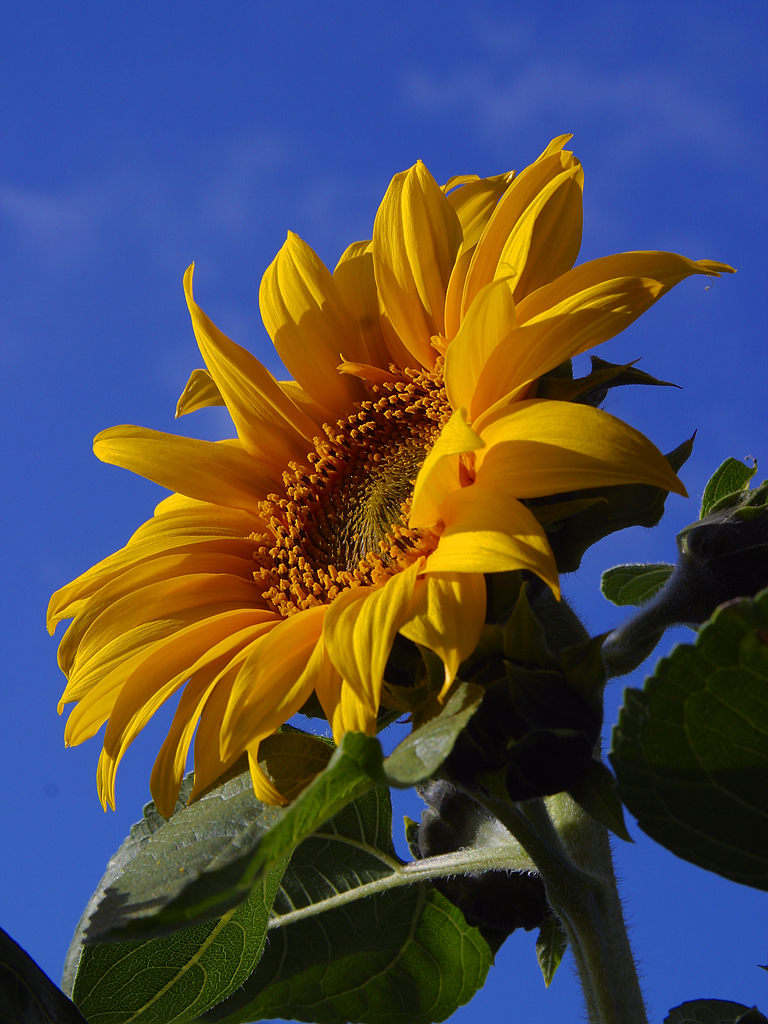 Common sunflowerHelianthus annuus
A tall annual plant grown for its large yellow flower heads and edible seeds
🇨🇦 Canada and 4 more · Wildflower
Common sunflowerHelianthus annuus
A tall annual plant grown for its large yellow flower heads and edible seeds
🇨🇦 Canada and 4 more · Wildflower
 CactusCactaceae
Succulent plants with spines, native to the Americas
🇲🇽 Mexico and 7 more · Wildflower
CactusCactaceae
Succulent plants with spines, native to the Americas
🇲🇽 Mexico and 7 more · Wildflower
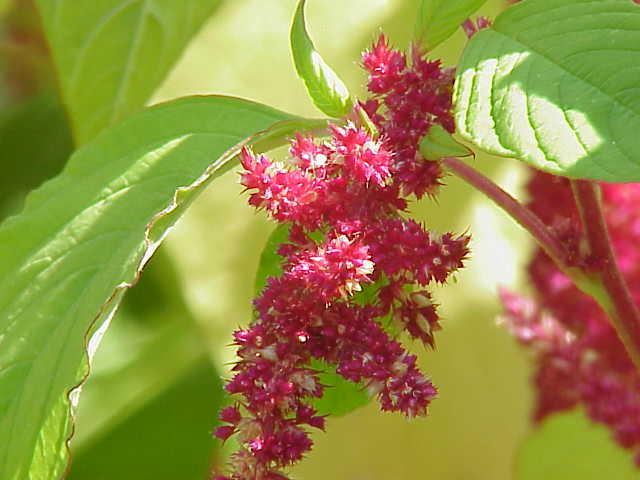 AmaranthAmaranthus
A tall, colourful plant grown for its flowers, leaves and edible seeds
🇲🇽 Mexico and 7 more · Wildflower
AmaranthAmaranthus
A tall, colourful plant grown for its flowers, leaves and edible seeds
🇲🇽 Mexico and 7 more · Wildflower
 HawthornCrataegus
A thorny shrub or tree with white or pink spring flowers and small edible fruits
🇮🇪 Ireland and 7 more · Wildflower
HawthornCrataegus
A thorny shrub or tree with white or pink spring flowers and small edible fruits
🇮🇪 Ireland and 7 more · Wildflower