Garden traditions
Community and allotment gardens
Small rented plots and shared gardens in cities, where people without land of their own grow vegetables and flowers.
Presented by ClearTrust Free for gardeners, florists, travellers and the curious.
An allotment is a small plot of land rented cheaply to a household for growing food and flowers. A community garden is a shared plot run by a group of neighbours. Both give city people soil to work. They began as a way to help the poor feed themselves. Today they are valued just as much for fresh air, company and cut flowers.

What it is
In Britain an allotment site is a field divided into numbered strips, each with a shed and a water butt, rented by the year from the local council. In Germany, Denmark and the Netherlands the plots are small fenced gardens with a summer cabin, set along paths behind a common gate. In North American cities, a community garden usually occupies a vacant lot, with raised beds assigned to members and shared areas for flowers, compost and gatherings.
Where it comes from
British allotments grew out of the loss of common land and the growth of industrial towns, and laws passed in the early 1900s required councils to provide them. In Germany the movement is linked with Leipzig, where gardens named after the physician Moritz Schreber were founded in the 1860s. Plots multiplied in both world wars as governments urged people to grow food. In New York, residents began turning derelict lots into gardens in the 1970s.
The flowers
Vegetables come first, but most plots keep a row for cutting: sweet peas on canes, dahlias, gladioli, chrysanthemums, sunflowers and marigolds. Some growers raise blooms for the village or allotment show, where single stems are judged on a bench for size and perfection. Flowers also earn their place by drawing bees and other pollinators to the beans and fruit. Many sites now set aside a strip of wild flowers for the same reason.
How to take part
- Ask your local council or garden association about plots. In big cities, expect a waiting list.
- Start with half a plot. A full one takes several hours a week in summer.
- Sow a row of sweet peas, cosmos or zinnias beside the vegetables for flowers to cut all season.
- Go to the site's open day or show to meet the neighbours and pick up spare plants.
Good manners
- Keep your paths and edges tidy, and your weeds from seeding onto the next plot.
- Never pick from another plot, however much is going to waste, unless you have been asked to.
- Follow the site's rules on water, bonfires and locking the gate.
The flowers
 DahliaA bushy perennial with tuberous roots and bright, star-shaped blooms
 GladiolusTall, showy flower spikes grown from corms, known as sword lilies
 ChrysanthemumAutumn-blooming flower with thousands of varieties, cherished in East Asia and beyond
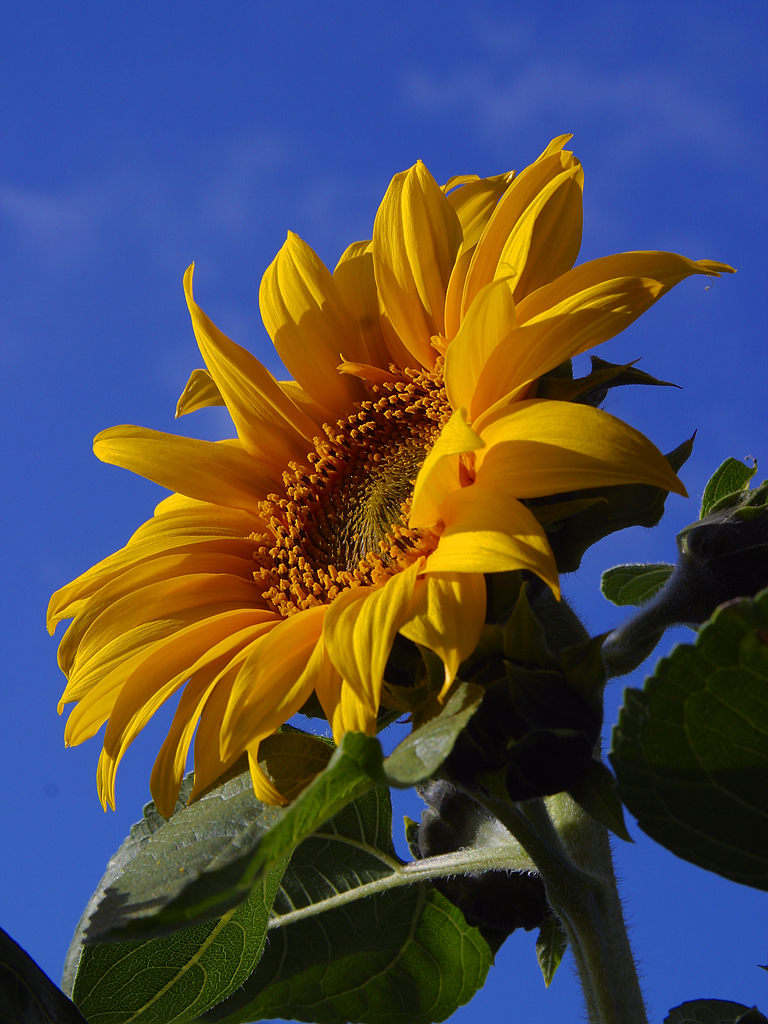 Common sunflowerA tall annual plant grown for its large yellow flower heads and edible seeds
 MarigoldA group of bright annual and perennial flowers known worldwide as marigolds
Also part of it, and being written: Sweet pea, Calendula officinalis.
Sources and further reading
Original text by the Phool desk, written with AI assistance. Customs vary from place to place. If we have something wrong, tell us.
Photo credits on this page
The small pictures above come from Wikimedia Commons under free licences. Some are cropped to fit.
- Chrysanthemum: Muhammad Mahdi Karim, GFDL 1.2, source
- Common sunflower: Jon Sullivan, Public domain, source
- Dahlia: JackyM59, CC BY 4.0, source
- Marigold: Pohled 111, CC BY-SA 4.0, source
- Gladiolus: Gere72, CC BY-SA 3.0, source