
Chrysanthemum
In its own language: 菊花
Autumn-blooming flower with thousands of varieties, cherished in East Asia and beyond
Chrysanthemum is a perennial flowering plant native mainly to East Asia, especially China, where it has been grown for over 3,000 years. Its blooms come in many shapes and colors, from white and yellow to red and purple, and are central to autumn festivals, art, and traditions in countries like China and Japan.
- Native to East Asia, especially China and Japan
- Thousands of cultivars in many shapes and colors
- Symbol of the Japanese imperial family
- Central to autumn festivals in China and Japan
- Used for tea, food, and traditional medicine
What does Chrysanthemum look like?
Chrysanthemum plants are mostly perennial herbs, sometimes small shrubs, with divided or toothed leaves. Their flowers are made up of many small florets grouped in heads, often surrounded by a single or multiple rows of larger petals. The blooms come in white, yellow, red, and purple, with flower shapes ranging from daisy-like to pompon and button forms. Some varieties have large, showy heads, while others are small and simple.
Where does Chrysanthemum come from?
Chrysanthemums are native to East Asia and northeastern Europe, with China as the main center of diversity. They have been cultivated in China since at least the 15th century BCE and later spread to Japan, where they became deeply rooted in culture and tradition. The genus was first described by Linnaeus in 1753. Over time, the classification of species has changed, but the most widely grown types trace back to Chinese and Japanese cultivation.
When and how Chrysanthemum blooms
Chrysanthemums bloom in autumn, with November as their peak in the northern hemisphere. They are grown from seeds or cuttings and thrive in well-drained soil and moderate climates. Thousands of cultivars exist, bred for flower size, shape, and color. In Japan, special techniques create large-flowered 'Ogiku' types and bonsai-like forms. Many are grown as garden plants, cut flowers, or for exhibitions.


How Chrysanthemum is used
People use chrysanthemums for decoration, in gardens, and as cut flowers. In China and Japan, they are central to autumn festivals and are symbols in art and poetry. White chrysanthemums are used for funerals in parts of Europe and East Asia. The flowers and leaves are also eaten or brewed as tea in East Asia, and some species are used in traditional medicine. The imperial family of Japan uses the chrysanthemum as its crest.
Kinds of Chrysanthemum
There are thousands of chrysanthemum cultivars, grouped by flower form into 13 divisions. Notable types include the large-flowered 'Ogiku' from Japan and many miniature forms. Some species once included in Chrysanthemum are now placed in other genera, such as Tanacetum and Argyranthemum. The most important hybrid for gardens and florists is Chrysanthemum × morifolium.
What Chrysanthemum means
Chrysanthemums are symbols of autumn, longevity, and nobility in China and Japan. In Europe, certain types are linked to mourning and used on graves. The flower is the emblem of the Japanese imperial family and features in many festivals, such as the Double Ninth Festival in China and Chrysanthemum Day in Japan. In the language of flowers, meanings vary by color and culture.
Where Chrysanthemum is used and seen
 GarlandA string or braid of flowers, leaves, or other materials for decoration or ceremony
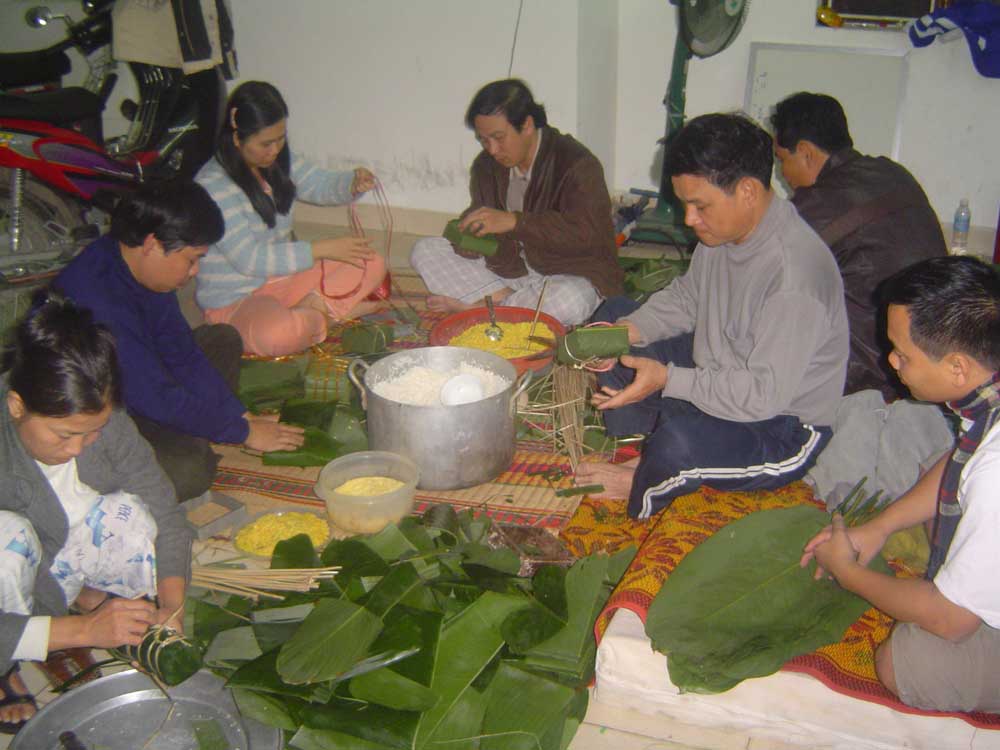 TếtVietnam's spring new year festival with flowers, family, and lucky customs
 Parc Floral de la SourceA large public garden in Orléans built around the source of the Loiret river
 Bagh-e-JinnahA historic botanical garden and park in central Lahore, Pakistan
 Makino Botanical GardenA botanical garden and museum in Kōchi, Japan, honouring Tomitaro Makino
 ChabanaSimple flower arrangements for the Japanese tea ceremony
 KanzashiTraditional Japanese hair ornaments, often crafted as folded silk flowers
 Imperial crest of JapanThe 16-petal chrysanthemum emblem of the Japanese emperor and imperial family
Traditions that use it
Where to see Chrysanthemum
 🇮🇳 Mumbai · All yearDadar flower market at dawnMumbai's wholesale flower market beside Dadar station, at its busiest before the city has had breakfast.
 🇮🇳 Bengaluru · All yearKR Market flower hallBengaluru's old city market, where the flower floor is best seen from the stairs above.
🇮🇳 Bengaluru · All yearLalbagh and its Glass House flower showsBengaluru's historic botanical garden, with big flower shows around Republic Day and Independence Day.
🇮🇳 Bengaluru · All yearKR Market flower hallBengaluru's old city market, where the flower floor is best seen from the stairs above.
🇮🇳 Bengaluru · All yearLalbagh and its Glass House flower showsBengaluru's historic botanical garden, with big flower shows around Republic Day and Independence Day. 🇯🇵 Tokyo · Feb to NovShinjuku Gyoen through the seasonsA large former imperial garden in central Tokyo with a long cherry season and an autumn chrysanthemum show.
🇯🇵 Tokyo · All yearOta Market flower auctionJapan's biggest wholesale flower market, where early risers can watch the auction from a gallery.
🇯🇵 Tokyo · Feb to NovShinjuku Gyoen through the seasonsA large former imperial garden in central Tokyo with a long cherry season and an autumn chrysanthemum show.
🇯🇵 Tokyo · All yearOta Market flower auctionJapan's biggest wholesale flower market, where early risers can watch the auction from a gallery. 🇯🇵 Kyoto · All yearAn ikebana lesson in KyotoLearn the basics of Japanese flower arranging in the city where the art took shape.
Days and festivals
Questions people ask about Chrysanthemum
Where do chrysanthemums come from?
Chrysanthemums are native mainly to East Asia, with China as the center of diversity. They have been cultivated there for thousands of years and later spread to Japan, northeastern Europe, and other regions.
What do chrysanthemums symbolize?
In China and Japan, chrysanthemums stand for autumn, longevity, and nobility. In parts of Europe, especially France and Italy, certain types are used for mourning and funerals.
What colors and shapes do chrysanthemum flowers have?
Chrysanthemum flowers come in white, yellow, red, and purple, with shapes ranging from simple daisy-like forms to large pompons and buttons. There are thousands of cultivated varieties.
How are chrysanthemums used?
They are popular as garden and cut flowers, used in festivals, art, and as emblems. In East Asia, some are brewed as tea or eaten, and certain types are used in traditional medicine.
Are chrysanthemums linked to any festivals?
Yes, they are central to the Double Ninth Festival in China and Chrysanthemum Day in Japan, both held in autumn when the flowers bloom.
Good reading and sources
- Encyclopaedia BritannicaArticle
- USDA Plants DatabaseUS Department of Agriculture, Article
- Plants of the World OnlineRoyal Botanic Gardens, Kew, Plant database
- Where it has been recordedGBIF, Plant database
- Sightings and photos by naturalistsiNaturalist, Plant database
- Chrysanthemum on WikipediaEncyclopedia
- More photos on Wikimedia CommonsPhotos
- Wikidata recordOpen data
The facts on this page come from the Wikipedia article "Chrysanthemum", written by its contributors and used under the CC BY-SA 4.0 licence, and from its Wikidata record (CC0). Phool rewrote the text in its own words, with AI assistance, and compares every page with the article to make sure no passage is copied. It may be reused under the same CC BY-SA 4.0 licence with a link back.
It may contain mistakes. It is not medical or foraging advice: many flowers are poisonous, and traditional uses are reported, not recommended. If something is wrong, tell us. Last refreshed 2026-10-03.
Others in the family Asteraceae
The whole family Asteraceae
The vast family of daisies, asters, and sunflowers with star-like flower heads
Asteraceae · Wildflower
Asteraceae
The vast family of daisies, asters, and sunflowers with star-like flower heads
Asteraceae · Wildflower
 DandelionTaraxacum
A yellow-flowered perennial found in fields, lawns, and gardens worldwide
Taraxacum · Wildflower
DandelionTaraxacum
A yellow-flowered perennial found in fields, lawns, and gardens worldwide
Taraxacum · Wildflower
 Dahlia
A bushy perennial with tuberous roots and bright, star-shaped blooms
🇲🇽 Mexico and 1 more · Garden flower
Dahlia
A bushy perennial with tuberous roots and bright, star-shaped blooms
🇲🇽 Mexico and 1 more · Garden flower
 Common dandelionTaraxacum officinale
A familiar yellow wildflower with fluffy seed heads found across temperate regions
🇨🇳 China · Wildflower
Common dandelionTaraxacum officinale
A familiar yellow wildflower with fluffy seed heads found across temperate regions
🇨🇳 China · Wildflower
More from China
All the flowers of China PeachPrunus persica
A flowering fruit tree from China, grown for its pink blossoms and sweet fruit
🇨🇳 China and 7 more · Flowering tree
PeachPrunus persica
A flowering fruit tree from China, grown for its pink blossoms and sweet fruit
🇨🇳 China and 7 more · Flowering tree
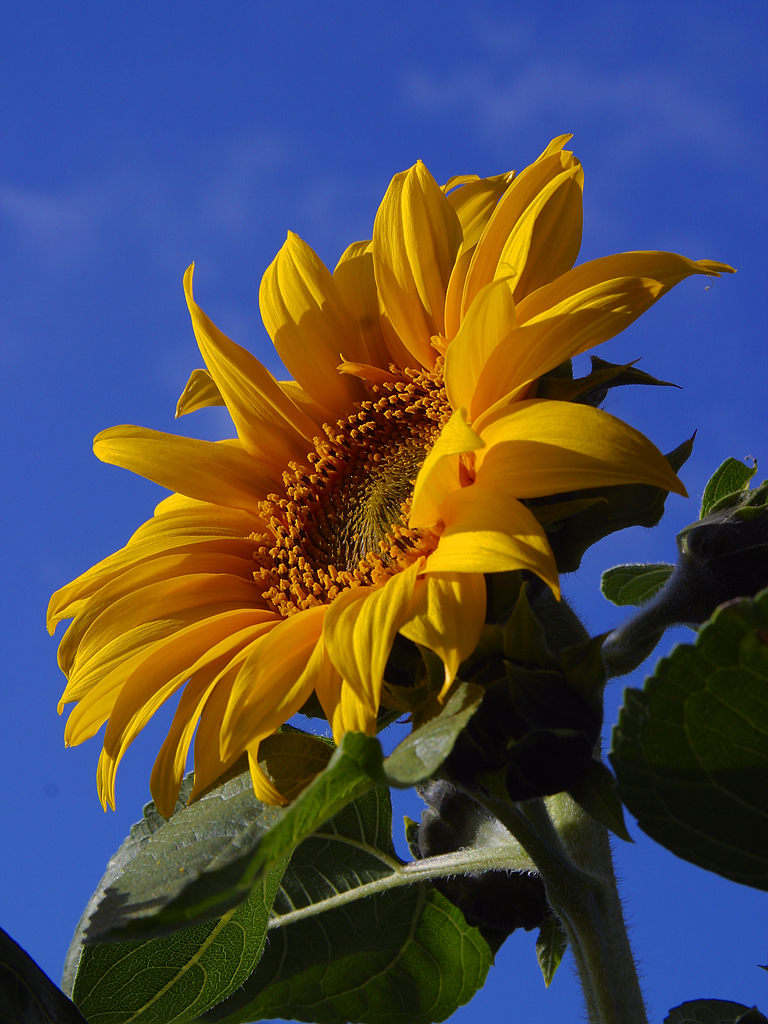 Common sunflowerHelianthus annuus
A tall annual plant grown for its large yellow flower heads and edible seeds
🇨🇦 Canada and 4 more · Wildflower
Common sunflowerHelianthus annuus
A tall annual plant grown for its large yellow flower heads and edible seeds
🇨🇦 Canada and 4 more · Wildflower
 PomegranatePunica granatum
A shrub with bright red flowers and a fruit full of edible seeds
🇮🇷 Iran and 9 more · Flowering shrub
PomegranatePunica granatum
A shrub with bright red flowers and a fruit full of edible seeds
🇮🇷 Iran and 9 more · Flowering shrub
 BirchBetula
Slender trees with papery bark found across the northern world
🇨🇳 China and 7 more · Wildflower
BirchBetula
Slender trees with papery bark found across the northern world
🇨🇳 China and 7 more · Wildflower