
Kanzashi
In its own language: 簪
Traditional Japanese hair ornaments, often crafted as folded silk flowers
Kanzashi are Japanese hair ornaments that include pins, barrettes, and fabric flowers. Traditionally worn with formal hairstyles, especially by geisha and brides, kanzashi are now also used as everyday hair accessories. The most famous type, tsumami kanzashi, features silk flowers folded by hand.
- Kanzashi are traditional Japanese hair ornaments, often shaped as folded silk flowers.
- Each month, geisha and maiko wear kanzashi with seasonal flower motifs.
- Tsumami kanzashi are made by folding silk squares into petals and arranging them as flowers.
- The craft dates back to the Jōmon period and peaked in the Edo period.
- Kanzashi are still worn for weddings, festivals, and by geisha and brides.
What is Kanzashi?
Kanzashi are decorative hair ornaments from Japan, ranging from simple pins and barrettes to elaborate arrangements of folded silk flowers. The most recognized style, tsumami kanzashi, features clusters of small, hand-folded silk petals shaped into flowers or plants, often with added details like metal strips or dangling petals. These ornaments can be delicate and colorful, and are worn singly or in pairs, sometimes with additional combs. While some kanzashi are simple, others are intricate and large, especially those worn by apprentice geisha (maiko).
Where does Kanzashi come from?
Kanzashi have been part of Japanese culture since the Jōmon period, when a single stick was believed to ward off evil. The Nara period saw influences from China, including hairpins called zan, written with the same character as kanzashi. Over time, styles evolved with changing hairstyles, especially as hair was worn up from the Azuchi-Momoyama period onward. The Edo period marked a peak in kanzashi craftsmanship, with many styles created that are still seen today. The tradition has continued, though now mainly for formal occasions and by geisha, brides, and in kabuki theatre.
How Kanzashi is made
Traditional kanzashi are crafted from materials like lacquered wood, metal, tortoiseshell, and especially silk for tsumami kanzashi. To make tsumami kanzashi, small squares of dyed silk are folded with tweezers and glued onto a base, forming petals and leaves. These are arranged into bouquets or clusters, sometimes with dangling streamers or metal details. Professional craftspeople train for years, but hobbyists also make tsumami kanzashi using kits and lessons. Modern kanzashi may also use plastic or other materials.


When and where Kanzashi is used
Kanzashi are most often worn with traditional Japanese hairstyles, especially by geisha, maiko, brides, and in historical reenactments or kabuki. Seasonal motifs are important, with different flowers and designs marking each month or festival, such as cherry blossoms for April or chrysanthemums for October. While traditional use is now rare, kanzashi are also worn as everyday hair accessories in modern styles, and are popular as gifts or collectables.
Forms of Kanzashi
There are many styles of kanzashi, from simple pins to elaborate tsumami kanzashi. Seasonal hana kanzashi feature flowers like plum, cherry, wisteria, iris, and maple, changing each month for geisha and maiko. The size and arrangement can indicate the wearer's status or stage of apprenticeship. Materials and shapes also vary, with some kanzashi made for specific festivals or performances.
What Kanzashi means
Kanzashi reflect Japanese aesthetics and seasonal awareness, with motifs tied to months, festivals, and good fortune. They are closely associated with geisha culture, where the type and arrangement of kanzashi signal age and rank. Some motifs, like pine, bamboo, and plum, are considered auspicious. Tsumami kanzashi were recognized as a traditional handcraft in Tokyo in 1982. The craft is now practiced by a small number of artisans, with growing interest among hobbyists.
The flowers of Kanzashi
 WillowDeciduous trees and shrubs with early spring catkin flowers
 ChrysanthemumAutumn-blooming flower with thousands of varieties, cherished in East Asia and beyond
 HydrangeaFlowering shrubs with large heads that change color with soil pH
 IrisA large group of perennial flowers with striking, six-lobed bloomsIris damascenaA rare white and purple iris found only on a Syrian mountain
 Coastal IrisA dark-flowered iris native to Israel’s coastal plainsGerman irisA tall, rhizome-rooted iris with showy bearded blooms in many colours
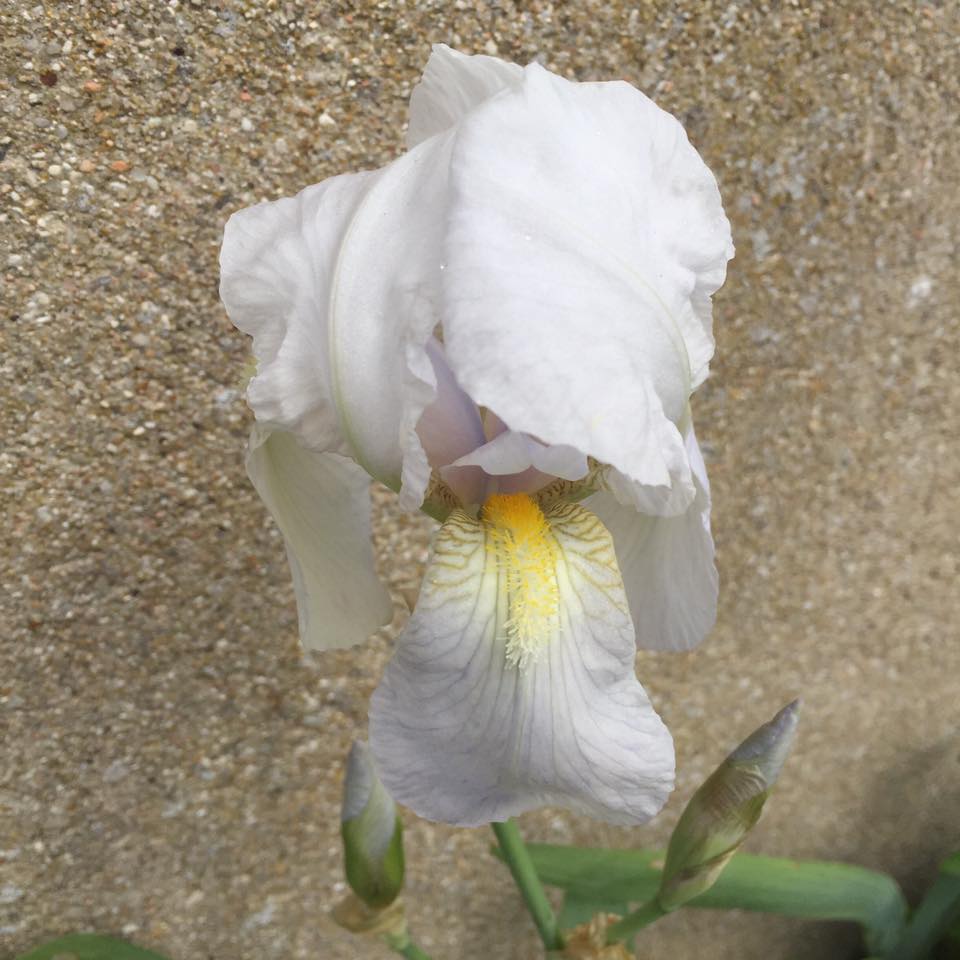 Iris florentinaA white, violet-scented iris grown for orris root and as a grave flower
Questions people ask about Kanzashi
What are kanzashi made of?
Kanzashi can be made from lacquered wood, metal, tortoiseshell, silk, and plastic. Tsumami kanzashi, the most famous type, use hand-folded silk squares to form flowers and are sometimes decorated with metal or paper details.
Where do kanzashi come from?
Kanzashi originated in Japan, with their use dating back to the Jōmon period. The tradition evolved through influences from China and changes in Japanese hairstyles, reaching a peak in craftsmanship during the Edo period.
Who wears kanzashi today?
Today, kanzashi are mainly worn by geisha, maiko, brides, sumo wrestlers, and in kabuki theatre or historical reenactments. They are also used as decorative hair accessories in modern fashion.
What do kanzashi flowers symbolize?
Kanzashi motifs often reflect the season or festival, such as cherry blossoms for spring or chrysanthemums for autumn. Some designs, like pine, bamboo, and plum, are considered auspicious and symbolize good fortune.
How are tsumami kanzashi made?
Tsumami kanzashi are made by folding small squares of silk with tweezers, gluing each petal onto a base, and arranging them into flowers or clusters. The process can involve dozens of petals and requires skill and patience.
Good reading and sources
The facts on this page come from the Wikipedia article "Kanzashi", written by its contributors and used under the CC BY-SA 4.0 licence, and from its Wikidata record (CC0). Phool rewrote the text in its own words, with AI assistance, and compares every page with the article to make sure no passage is copied. It may be reused under the same CC BY-SA 4.0 licence with a link back.
It may contain mistakes. If something is wrong, tell us. Last refreshed 2026-10-03.
More of the same kind
 Decoration
Vase
An open container for holding and displaying cut flowers
Arrangement
Decoration
Vase
An open container for holding and displaying cut flowers
Arrangement
 Decoration
Floriculture
The science and business of growing flowers and ornamental plants
Arrangement
Decoration
Floriculture
The science and business of growing flowers and ornamental plants
Arrangement
 Decoration
Ikebana華道
The Japanese art of arranging flowers with form and meaning
🇯🇵 Japan · Arrangement
Decoration
Ikebana華道
The Japanese art of arranging flowers with form and meaning
🇯🇵 Japan · Arrangement
 Decoration
Nageirebana抛入花
A free-form ikebana style using tall vases and no flower holders
Arrangement
Decoration
Nageirebana抛入花
A free-form ikebana style using tall vases and no flower holders
Arrangement
More from Japan
All the flowers of Japan Decoration
Bouquet
A creative arrangement of flowers, given or displayed for many occasions
🇨🇳 China and 1 more · Arrangement
Decoration
Bouquet
A creative arrangement of flowers, given or displayed for many occasions
🇨🇳 China and 1 more · Arrangement
 Decoration
Tokonoma床の間
A Japanese alcove for displaying scrolls and flower arrangements
🇯🇵 Japan · Arrangement
Decoration
Tokonoma床の間
A Japanese alcove for displaying scrolls and flower arrangements
🇯🇵 Japan · Arrangement
 Decoration
Sōgetsu草月流
A modern school of Japanese ikebana open to all materials and styles
🇯🇵 Japan · Arrangement
Decoration
Sōgetsu草月流
A modern school of Japanese ikebana open to all materials and styles
🇯🇵 Japan · Arrangement
 Decoration
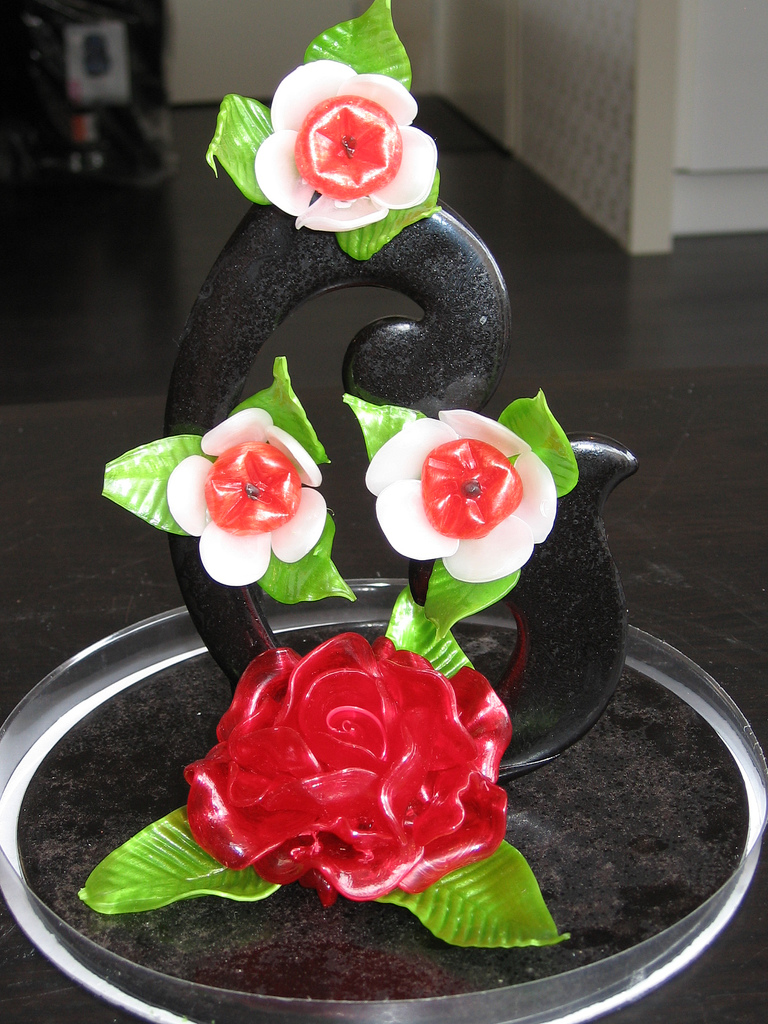
Sugar sculpture
Artistic centerpieces and figures made entirely from cooked sugar
🇨🇳 China and 1 more · Flower craft
Decoration
Sugar sculpture
Artistic centerpieces and figures made entirely from cooked sugar
🇨🇳 China and 1 more · Flower craft