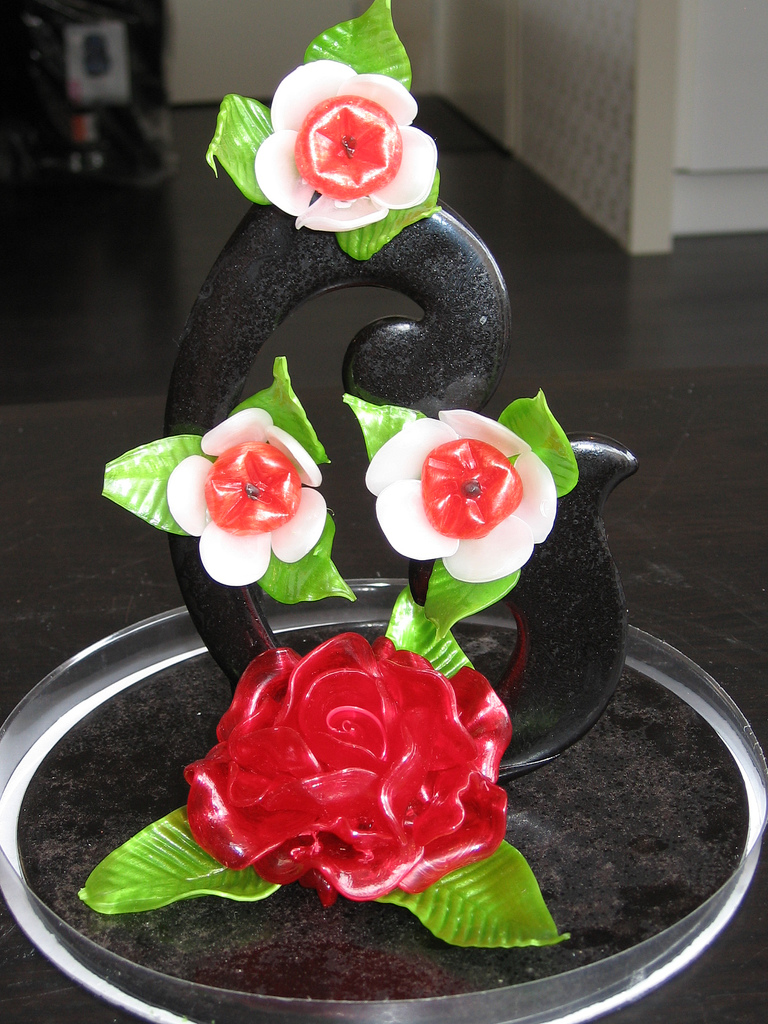
Sugar sculpture
Artistic centerpieces and figures made entirely from cooked sugar
Sugar sculpture is the craft of shaping cooked sugar into decorative showpieces, often for feasts, weddings, or competitions. Originating as a luxury display at grand banquets, it uses techniques like pulling, blowing, casting, and molding sugar to create intricate forms, from flowers to animals.
- Sugar sculpture was a sign of wealth at Renaissance banquets.
- Chinese 'sugar people' and Japanese 'Amezaiku' are traditional sugar arts.
- Techniques include pulling, blowing, casting, and spinning sugar.
- Sugar sculptures are used as wedding centerpieces and in competitions.
What is Sugar sculpture?
Sugar sculpture involves creating decorative pieces from cooked sugar, shaped into forms like flowers, animals, or abstract designs. The sugar can be pulled, blown, cast, pressed, or spun, resulting in glossy, delicate, or sturdy structures. Finished sculptures can be clear, white, or brownish-yellow, and often look like glass or fine porcelain. Some are small enough to be held in the hand, while others serve as large table centerpieces.
Where does Sugar sculpture come from?
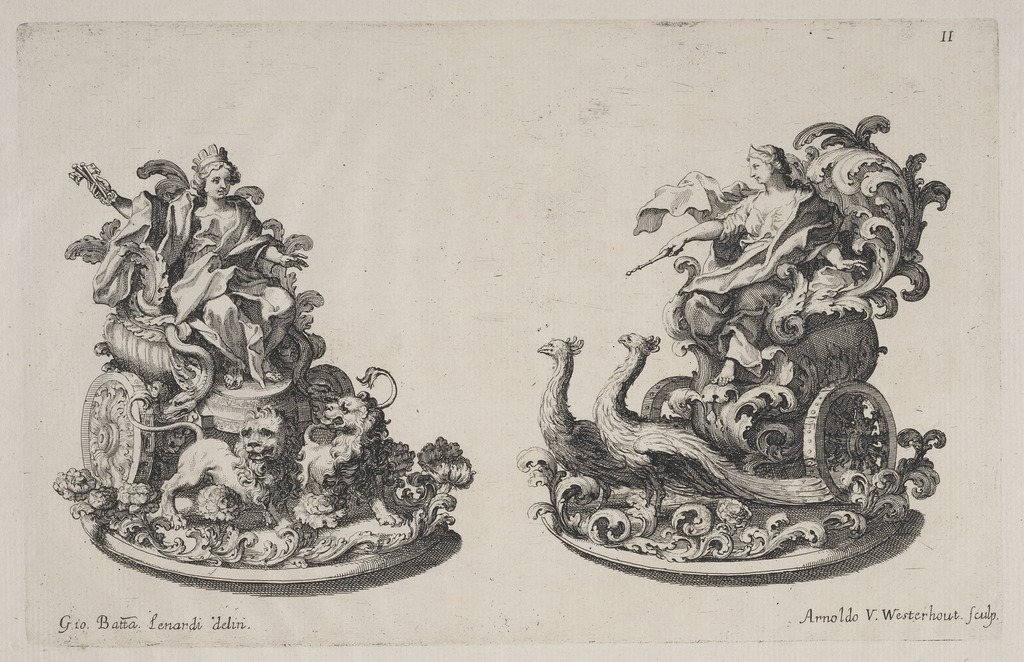
The art of sugar sculpture dates back to the Renaissance, when sugar was rare and expensive. Wealthy hosts displayed sugar showpieces at banquets to impress guests and show their status. In China, the tradition of 'sugar people' uses blown sugar to form figures, while Japan has 'Amezaiku', a similar craft. Over time, sugar sculpture spread to other cultures and became part of culinary competitions and special celebrations.
How Sugar sculpture is made
To make a sugar sculpture, sugar is cooked to a high temperature, sometimes with acid or other sugars to control crystallization. The sugar can then be pulled and folded for shine, blown into shapes, poured into molds, or pressed into forms. Pastillage uses a sugar paste shaped by hand and tools. Once shaped, pieces are joined with melted sugar and assembled into the final showpiece.


When and where Sugar sculpture is used
Sugar sculptures are often made for weddings, festivals, or as gifts. They serve as edible centerpieces or alternatives to cakes, especially at events where artistry is valued. In China and Japan, traditional sugar figures are sold at festivals or markets. Today, sugar sculpture is featured in culinary competitions and as a showcase of pastry skill.
Forms of Sugar sculpture
There are several main techniques: pulled sugar for ribbons and flowers, blown sugar for hollow shapes, cast sugar for sturdy bases, pastillage for detailed modeling, pressed sugar for solid forms, and spun sugar for fine threads. Chinese 'sugar people' and Japanese 'Amezaiku' are regional forms, each with its own style and coloring.
What Sugar sculpture means
Sugar sculpture has symbolized wealth and celebration since its origins. In China and Japan, it is a traditional folk art seen at festivals. The craft is referenced in nursery rhymes and remains a highlight in pastry competitions. While less common as a banquet centerpiece today, it continues as a respected art form in culinary circles.
Questions people ask about Sugar sculpture
What is sugar sculpture?
Sugar sculpture is the art of making decorative pieces from cooked sugar, shaped using techniques like pulling, blowing, casting, or molding. These sculptures are often used as centerpieces at events or as edible art in competitions.
Where does sugar sculpture come from?
Sugar sculpture became popular at grand feasts in Europe during the Renaissance, when sugar was rare. Traditional forms also exist in China, known as 'sugar people', and in Japan as 'Amezaiku'.
How are sugar sculptures made?
Sugar is cooked to a high temperature, then shaped by pulling, blowing, casting in molds, or pressing. Pieces are assembled using melted sugar, and the final sculpture can be glossy, clear, or colored.
What are sugar sculptures used for?
They are used as artistic centerpieces at weddings, festivals, and banquets, and are also featured in culinary competitions. In China and Japan, sugar figures are sold at festivals.
What do sugar sculptures symbolize?
Historically, they symbolized wealth and status at feasts. In modern times, they represent artistry and skill in pastry-making, and are part of traditional celebrations in China and Japan.
Good reading and sources
- Sugar sculpture on WikipediaEncyclopedia
- More photos on Wikimedia CommonsPhotos
- Wikidata recordOpen data
The facts on this page come from the Wikipedia article "Sugar sculpture", written by its contributors and used under the CC BY-SA 4.0 licence, and from its Wikidata record (CC0). Phool rewrote the text in its own words, with AI assistance, and compares every page with the article to make sure no passage is copied. It may be reused under the same CC BY-SA 4.0 licence with a link back.
It may contain mistakes. If something is wrong, tell us. Last refreshed 2026-10-03.
More of the same kind
 Decoration
Corn dolly
Straw figures shaped for harvest customs across Europe
🇮🇪 Ireland and 3 more · Flower craft
Decoration
Corn dolly
Straw figures shaped for harvest customs across Europe
🇮🇪 Ireland and 3 more · Flower craft
 Decoration
Paisleyبته
A curved teardrop motif from Iran and India, now used worldwide on textiles
🇮🇷 Iran and 8 more · Art or design
Decoration
Paisleyبته
A curved teardrop motif from Iran and India, now used worldwide on textiles
🇮🇷 Iran and 8 more · Art or design
 Decoration
Butaبوته
A curved floral motif found in Persian, Indian, and Central Asian art and textiles
🇮🇷 Iran and 5 more · Art or design
Decoration
Butaبوته
A curved floral motif found in Persian, Indian, and Central Asian art and textiles
🇮🇷 Iran and 5 more · Art or design
 Decoration
Vase
An open container for holding and displaying cut flowers
Arrangement
Decoration
Vase
An open container for holding and displaying cut flowers
Arrangement
More from China
All the flowers of China Decoration
Penjing盆景
The Chinese art of shaping miniature trees and landscapes in trays
🇨🇳 China · Art or design
Decoration
Penjing盆景
The Chinese art of shaping miniature trees and landscapes in trays
🇨🇳 China · Art or design
 Decoration
History of flower arrangement
How arranging flowers became an art across cultures and centuries
🇪🇬 Egypt and 3 more · Arrangement
Decoration
History of flower arrangement
How arranging flowers became an art across cultures and centuries
🇪🇬 Egypt and 3 more · Arrangement
 Decoration
Bonsai盆栽
The Japanese art of shaping miniature trees in shallow pots
🇯🇵 Japan and 7 more · Art or design
Decoration
Bonsai盆栽
The Japanese art of shaping miniature trees in shallow pots
🇯🇵 Japan and 7 more · Art or design
 Decoration
language of flowers
A way of sending secret messages using flowers and their meanings
🇹🇷 Turkey and 6 more · Custom
Decoration
language of flowers
A way of sending secret messages using flowers and their meanings
🇹🇷 Turkey and 6 more · Custom