
language of flowers
A way of sending secret messages using flowers and their meanings
The language of flowers, or floriography, is a tradition of sending coded messages through flowers and their arrangements. It became especially popular in Victorian England, but has roots in Ottoman Turkey and appears in cultures across Europe, Asia, and Africa. Each flower or bouquet could carry a specific meaning, allowing people to express feelings silently.
- Victorian England saw a craze for sending secret messages with flowers
- The custom has roots in Ottoman Turkey's sélam tradition
- Bouquets called tussie-mussies or nosegays carried coded meanings
- Flower meanings appear in art, literature, and ceremonies
- Some cultures assign a flower to each day of the year
What is language of flowers?
The language of flowers is a way of using flowers and their arrangements to send messages without words. Each flower, and even the way it is worn or given, can mean something different. For example, a red rose might stand for deep love, while a yellow rose could mean friendship. Bouquets called tussie-mussies or nosegays were often used, and their position or the hand used to give them could change the meaning. This tradition has appeared in art, literature, and daily life, especially in the 19th century.
Where does language of flowers come from?
Floriography has ancient roots, with forms found in Europe, Asia, and Africa. The custom known as sélam in Ottoman Turkey used flowers and other small objects to create coded messages, often wrapped in a handkerchief. The idea spread to Europe in the 18th century, brought to England by Mary Wortley Montagu from Constantinople. The first published lists of flower meanings appeared in the early 19th century, and the tradition became very popular in Victorian England and France. In the United States, books and articles on the language of flowers appeared from the 1820s onward.
How language of flowers is made
To create a message using the language of flowers, people would choose specific blooms based on their symbolic meanings, often consulting a floral dictionary. Bouquets like tussie-mussies or nosegays were arranged with care, sometimes including fragrant herbs. The way the bouquet was tied, which hand it was given with, and where it was worn or displayed all added to the message. The practice could be used for courtship, friendship, or other occasions.


When and where language of flowers is used
In the 19th century, people used the language of flowers to send messages that could not be spoken openly, especially in matters of romance. Bouquets were exchanged as gifts, worn as accessories, or used in ceremonies. The meanings of flowers were also important in art and literature, and some traditions continue today in corsages and boutonnieres. The custom has influenced how flowers are used in weddings, funerals, and festivals.
Forms of language of flowers
Different cultures and times have assigned their own meanings to flowers. In Japan, the practice is called Hanakotoba. In Turkey, sélam included not just flowers but other objects. Victorian England produced many floral dictionaries, and meanings could vary from book to book. Some traditions assign a flower to each day of the year. The language of flowers also appears in art and literature across the world.
What language of flowers means
The language of flowers has shaped how people use and think about flowers in art, religion, and daily life. In Western art, flowers often symbolize emotions or virtues, and in literature, they can carry hidden meanings. Religious art uses flowers like the lotus or lily to represent purity or spiritual ideas. The tradition has left a mark on how flowers are given and understood in many cultures.
The flowers of language of flowers
 RoseWoody perennial plants with showy, often fragrant flowers in many colours
 LilyTall bulb flowers with large, colourful blooms in many gardens and cultures
 ChrysanthemumAutumn-blooming flower with thousands of varieties, cherished in East Asia and beyond
 VioletA large genus of delicate flowers found across temperate regions worldwide
 Sacred lotusThe pink aquatic flower sacred in Asia and grown for food, worship and beauty
 Sensitive PlantA touch-sensitive plant whose leaves fold up when disturbed
 HyacinthA spring-blooming bulb with fragrant, colourful flower spikes
 LotusAquatic plants with large, round leaves and striking flowers called lotus
Traditions that use it
Questions people ask about language of flowers
Where did the language of flowers originate?
The language of flowers has roots in many places, but the tradition known as sélam in Ottoman Turkey is often cited as a key origin. It spread to Europe in the 18th century and became popular in Victorian England.
How were messages sent using flowers?
People chose flowers for their symbolic meanings, arranged them into bouquets, and sometimes added herbs. The way the bouquet was tied, given, or worn could change the message. Floral dictionaries helped people decode these meanings.
What do different flowers mean?
Meanings vary, but some common ones are: red rose for deep love, yellow rose for friendship, white rose for virtue, mimosa for chastity, and black rose for death or darkness. Each culture and era has its own list of meanings.
Is the language of flowers still used today?
While not as widespread as in the Victorian era, some traditions continue, such as giving corsages and boutonnieres at weddings and proms. The symbolic meanings of flowers are still used in art, literature, and ceremonies.
How did the language of flowers influence art and literature?
Artists and writers used flower symbolism to express emotions and ideas. Shakespeare, Jane Austen, and others included flower meanings in their works, and flowers appear as symbols in paintings and religious art.
Good reading and sources
- Language of flowers on WikipediaEncyclopedia
- More photos on Wikimedia CommonsPhotos
- Wikidata recordOpen data
The facts on this page come from the Wikipedia article "Language of flowers", written by its contributors and used under the CC BY-SA 4.0 licence, and from its Wikidata record (CC0). Phool rewrote the text in its own words, with AI assistance, and compares every page with the article to make sure no passage is copied. It may be reused under the same CC BY-SA 4.0 licence with a link back.
It may contain mistakes. If something is wrong, tell us. Last refreshed 2026-10-03.
More of the same kind
 Decoration
Bonsai盆栽
The Japanese art of shaping miniature trees in shallow pots
🇯🇵 Japan and 7 more · Art or design
Decoration
Bonsai盆栽
The Japanese art of shaping miniature trees in shallow pots
🇯🇵 Japan and 7 more · Art or design
 Decoration
Tokonoma床の間
A Japanese alcove for displaying scrolls and flower arrangements
🇯🇵 Japan · Arrangement
Decoration
Tokonoma床の間
A Japanese alcove for displaying scrolls and flower arrangements
🇯🇵 Japan · Arrangement
 Decoration
Hanami花見
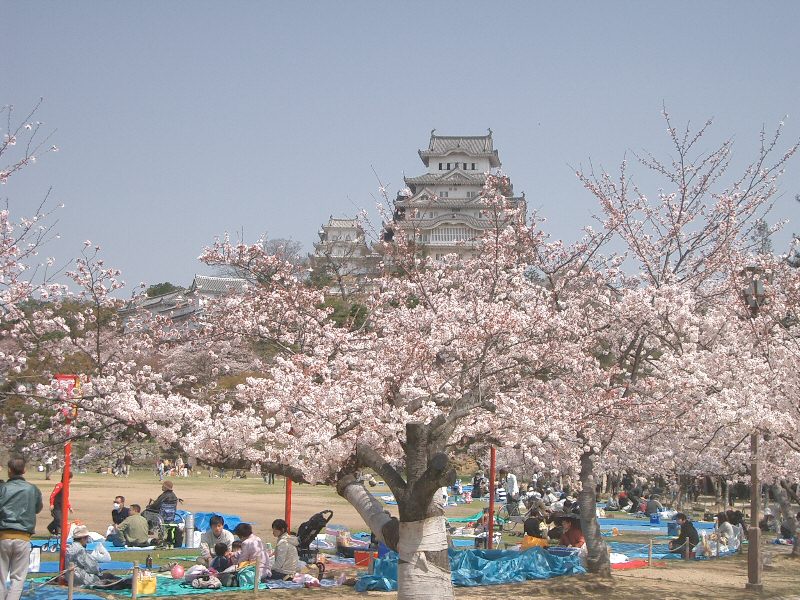
The Japanese tradition of gathering to enjoy cherry blossoms in spring
🇯🇵 Japan and 7 more · Custom, Jan to May
Decoration
Hanami花見
The Japanese tradition of gathering to enjoy cherry blossoms in spring
🇯🇵 Japan and 7 more · Custom, Jan to May
 Decoration
Sōgetsu草月流
A modern school of Japanese ikebana open to all materials and styles
🇯🇵 Japan · Arrangement
Decoration
Sōgetsu草月流
A modern school of Japanese ikebana open to all materials and styles
🇯🇵 Japan · Arrangement
More from Turkey
All the flowers of Turkey Decoration
Nowruzنوروز
Spring New Year festival marked by fire, greenery, and festive gatherings
🇮🇷 Iran and 9 more · Custom, March
Decoration
Nowruzنوروز
Spring New Year festival marked by fire, greenery, and festive gatherings
🇮🇷 Iran and 9 more · Custom, March
 Decoration
Corn dolly
Straw figures shaped for harvest customs across Europe
🇮🇪 Ireland and 3 more · Flower craft
Decoration
Corn dolly
Straw figures shaped for harvest customs across Europe
🇮🇪 Ireland and 3 more · Flower craft
 Decoration
Butaبوته
A curved floral motif found in Persian, Indian, and Central Asian art and textiles
🇮🇷 Iran and 5 more · Art or design
Decoration
Butaبوته
A curved floral motif found in Persian, Indian, and Central Asian art and textiles
🇮🇷 Iran and 5 more · Art or design
 Decoration
Hıdırellez
Spring festival marking the meeting of Hızır and İlyas, celebrated on May 5–6
🇹🇷 Turkey and 8 more · Custom, May
Decoration
Hıdırellez
Spring festival marking the meeting of Hızır and İlyas, celebrated on May 5–6
🇹🇷 Turkey and 8 more · Custom, May