
Hyacinth
Hyacinthus, family Asparagaceae
In its own language: سنبل
A spring-blooming bulb with fragrant, colourful flower spikes
Hyacinth is a spring-flowering bulb from the eastern Mediterranean, grown for its dense, scented spikes of flowers in many colours. The plant is widely cultivated in gardens and homes, especially in Europe, and is a symbol of spring and renewal in Persian New Year traditions.
- Native from Turkey through Iran and Turkmenistan
- Strongly scented flower spikes in many colours
- Key symbol in Persian New Year (Nowruz) celebrations
- Grown widely in Dutch gardens since the 18th century
- Bulbs can irritate skin; gloves are advised
What does Hyacinth look like?
Hyacinths grow from bulbs and send up narrow leaves and one or more upright stalks topped with clusters of small, star-shaped flowers. The blooms are tightly packed in cultivated forms, creating a dense, cone-like spike. Wild types have looser, more open clusters. Flowers come in a range of colours, including blue, purple, pink, red, white, orange, and yellow, and are known for their strong, sweet scent.
Where does Hyacinth come from?
The hyacinth genus is native to a region stretching from southern Turkey through the Levant and into Iran and Turkmenistan. The plant was named after a figure in Greek mythology, whose story explains the flower's origin in legend. The Dutch became leading growers in the 18th century, developing many varieties. The scientific name was set by Linnaeus in the 18th century, though earlier, the name 'hyacinth' was used for several different plants.
When and how Hyacinth blooms
Hyacinths bloom in early spring, growing best in well-drained, moderately fertile soil. They prefer sunny spots but can tolerate some shade. The bulbs are planted in autumn, and each produces a cluster of leaves and one or more flower spikes. Garden varieties are bred for dense, colourful blooms, while wild species have fewer flowers per stalk.


How Hyacinth is used
Hyacinths are popular as garden and house plants for their scent and bright colours. In Iran, the flower is placed on the Haft-Seen table for Nowruz, the Persian New Year. In Christian symbolism, the plant is linked to qualities like constancy and peace. The bulbs are not edible and can irritate the skin, so gloves are recommended when handling them.
Kinds of Hyacinth
There are three main species: Hyacinthus orientalis, the common garden type; H. litwinovii and H. transcaspicus, both native to Iran and Turkmenistan. Many garden cultivars come from H. orientalis, including the smaller Roman hyacinth. Some botanists now place H. litwinovii and H. transcaspicus in other genera based on recent research.
What Hyacinth means
Hyacinths are a sign of spring and renewal, especially in Persian culture, where they feature in Nowruz celebrations. The flower appears in Greek myths and was sacred to Aphrodite. In Christian tradition, it stands for virtues such as prudence and peace. The plant is also mentioned in literature and music, including T. S. Eliot's poetry and a song by The Doors.
Where Hyacinth is used and seen
 Indira Gandhi Memorial Tulip GardenAsia’s largest tulip garden on the slopes above Dal Lake in Srinagar
 KeukenhofA vast Dutch flower garden famous for its spring tulip displays
 History of flower arrangementHow arranging flowers became an art across cultures and centuries
 TulipiereA pottery vessel with spouts for growing tulip bulbs indoors
 language of flowersA way of sending secret messages using flowers and their meanings
 NowruzSpring New Year festival marked by fire, greenery, and festive gatherings
Days and festivals
Questions people ask about Hyacinth
Where do hyacinths originally come from?
Hyacinths are native to the eastern Mediterranean, including southern Turkey, the Levant, Iraq, Iran, and Turkmenistan.
What do hyacinth flowers look and smell like?
They have upright spikes covered in small, star-shaped flowers, tightly packed in garden varieties, and are known for their strong, sweet fragrance.
How are hyacinths used in culture or tradition?
Hyacinths are placed on the Haft-Seen table for Nowruz, the Persian New Year, and have symbolic meanings in Christian and ancient Greek traditions.
Are hyacinth bulbs safe to handle?
The bulbs are not edible and can cause mild skin irritation, so it is best to wear gloves when planting or handling them.
What colours do hyacinth flowers come in?
They bloom in blue, purple, pink, red, white, orange, and yellow, with blue and purple being especially common.
Good reading and sources
- Encyclopaedia BritannicaArticle
- USDA Plants DatabaseUS Department of Agriculture, Article
- Hyacinthus orientalisRoyal Horticultural Society, Article
- Plants of the World OnlineRoyal Botanic Gardens, Kew, Plant database
- Where it has been recordedGBIF, Plant database
- Sightings and photos by naturalistsiNaturalist, Plant database
The facts on this page come from the Wikipedia article "Hyacinth", written by its contributors and used under the CC BY-SA 4.0 licence, and from its Wikidata record (CC0). Phool rewrote the text in its own words, with AI assistance, and compares every page with the article to make sure no passage is copied. It may be reused under the same CC BY-SA 4.0 licence with a link back.
It may contain mistakes. It is not medical or foraging advice: many flowers are poisonous, and traditional uses are reported, not recommended. If something is wrong, tell us. Last refreshed 2026-10-03.
Others in the family Asparagaceae
The whole family Lily-of-the-valleyConvallaria majalis
A woodland plant with sweet-scented white bell flowers in late spring
🇫🇮 Finland and 4 more · Wildflower
Lily-of-the-valleyConvallaria majalis
A woodland plant with sweet-scented white bell flowers in late spring
🇫🇮 Finland and 4 more · Wildflower
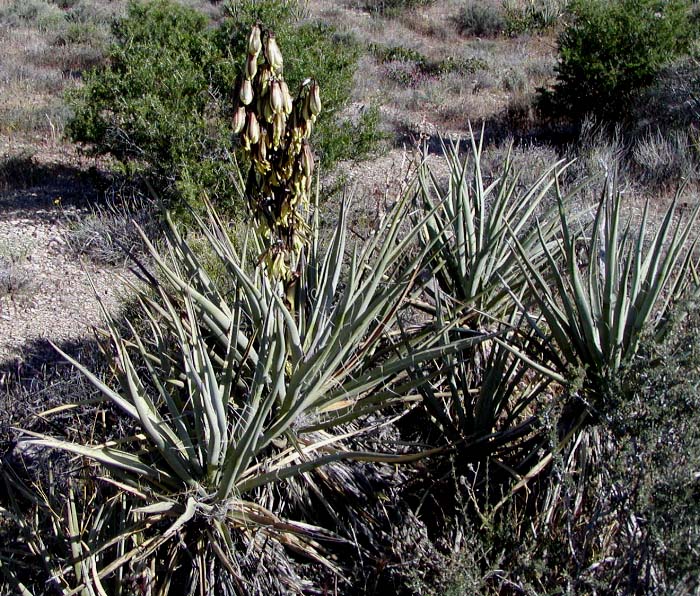 Yucca
Dry-climate plants with pointed leaves and clusters of creamy white flowers
🇲🇽 Mexico and 4 more · Wildflower
Yucca
Dry-climate plants with pointed leaves and clusters of creamy white flowers
🇲🇽 Mexico and 4 more · Wildflower
 Star-of-BethlehemOrnithogalum umbellatum
A white, star-shaped spring flower that opens late in the day
🇫🇷 France and 7 more · Wildflower
Star-of-BethlehemOrnithogalum umbellatum
A white, star-shaped spring flower that opens late in the day
🇫🇷 France and 7 more · Wildflower
 Ornithogalum thyrsoides
A white, long-lasting bulb flower from South Africa’s Cape Province
🇿🇦 South Africa · Bulb flower
Ornithogalum thyrsoides
A white, long-lasting bulb flower from South Africa’s Cape Province
🇿🇦 South Africa · Bulb flower
More from Turkey
All the flowers of Turkey PeachPrunus persica
A flowering fruit tree from China, grown for its pink blossoms and sweet fruit
🇨🇳 China and 7 more · Flowering tree
PeachPrunus persica
A flowering fruit tree from China, grown for its pink blossoms and sweet fruit
🇨🇳 China and 7 more · Flowering tree
 PomegranatePunica granatum
A shrub with bright red flowers and a fruit full of edible seeds
🇮🇷 Iran and 9 more · Flowering shrub
PomegranatePunica granatum
A shrub with bright red flowers and a fruit full of edible seeds
🇮🇷 Iran and 9 more · Flowering shrub
 TulipTulipa
Spring-blooming bulbs with showy, cup-shaped flowers in many colours
🇳🇱 Netherlands and 7 more · Wildflower
TulipTulipa
Spring-blooming bulbs with showy, cup-shaped flowers in many colours
🇳🇱 Netherlands and 7 more · Wildflower
 Sour cherryPrunus cerasus
The small, tart cherry tree grown for its sour red fruit
🇹🇷 Turkey and 7 more · Flowering tree
Sour cherryPrunus cerasus
The small, tart cherry tree grown for its sour red fruit
🇹🇷 Turkey and 7 more · Flowering tree