
Nowruz
In its own language: نوروز
Spring New Year festival marked by fire, greenery, and festive gatherings
Nowruz is the New Year celebration that begins at the spring equinox, observed in Iran and many neighboring regions. Traditions include setting out a haft-sin table with symbolic items, jumping over fires, visiting family, and spending time outdoors. The festival has roots in ancient Iranian religions and is now celebrated by diverse communities across West, Central, and South Asia.
- Nowruz marks the start of the Iranian new year at the spring equinox
- Families set a haft-sin table with seven symbolic items and flowers
- Fire-jumping and outdoor picnics are key parts of the celebration
- Observed by millions across West, Central, and South Asia
- Recognized as Intangible Cultural Heritage by UNESCO
What is Nowruz?
Nowruz is a springtime festival that marks the start of the new year in the Iranian calendar. Families prepare a haft-sin table, arranging seven symbolic items that often include sprouts, apples, garlic, and hyacinth flowers. Celebrations feature fire-jumping, music, dancing, and special foods. People visit relatives, exchange gifts, and spend time outdoors. The festival is known for its bright colors, greenery, and joyful gatherings.
Where does Nowruz come from?
Nowruz has ancient roots in Iranian culture and Zoroastrianism, with traditions that go back over three millennia. Its name means 'new day' in Persian. The festival was historically observed by Iranian peoples and later spread to many cultures across West and Central Asia. Myths link its origin to legendary kings and the renewal of nature. Over time, Nowruz became a shared celebration for various communities, and it is now recognized internationally.
How Nowruz is made
Preparations for Nowruz begin in the weeks before the equinox. Families grow wheat or lentil sprouts, clean their homes, and assemble the haft-sin table with symbolic objects. On the eve of the festival, people light bonfires and sometimes jump over them, asking for health and good fortune. Special dishes are cooked, and homes are decorated with flowers and greenery. The celebrations last for thirteen days, ending with outdoor picnics.


When and where Nowruz is used
Nowruz is celebrated by millions in Iran, Azerbaijan, Afghanistan, Tajikistan, and other countries. It brings together families and communities for visits, meals, and rituals. The haft-sin table is central to the home, and fire-jumping is a popular custom. The festival is also a time for giving gifts, wearing new clothes, and honoring ancestors. The final day, Sizdah Bedar, is spent outdoors, often with picnics and games.
Forms of Nowruz
Nowruz traditions vary by region. In Azerbaijan, the festival includes four Tuesdays of celebration, each linked to an element. In Iran, the haft-sin table is a key feature, while in Tajikistan and Afghanistan, local foods and music are central. Some communities add their own symbols or rituals, such as tying greenery for wishes or special dances. The festival is adapted by Zoroastrians, Baháʼís, and Muslims in different ways.
What Nowruz means
Nowruz is a symbol of renewal, hope, and the arrival of spring. It is recognized as an important cultural heritage by UNESCO. The festival is a time for reconciliation, generosity, and joy. It is celebrated by people of various faiths, including Zoroastrians, Baháʼís, and Muslims. Nowruz is also a national holiday in several countries and has inspired poetry, art, and music throughout the centuries.
The flowers of Nowruz


Days and festivals
Questions people ask about Nowruz
Where does Nowruz come from?
Nowruz began in ancient Iran and has roots in Zoroastrianism. It has been celebrated for over 3,000 years and has spread to many regions, including West and Central Asia.
What do people do for Nowruz?
People clean their homes, set up a haft-sin table with symbolic items, visit family and friends, jump over fires, exchange gifts, and spend time outdoors, especially on the thirteenth day.
What does Nowruz symbolize?
Nowruz represents renewal, the arrival of spring, and a fresh start for the new year. It is a time for hope, joy, and reconnecting with nature and loved ones.
Which countries celebrate Nowruz?
Nowruz is celebrated in Iran, Azerbaijan, Afghanistan, Tajikistan, Turkey, Iraq, Albania, Georgia, and by communities in many other countries.
What flowers are used in Nowruz decorations?
Hyacinth flowers are commonly placed on the haft-sin table, along with green sprouts and other symbolic items.
Good reading and sources
- Encyclopaedia BritannicaArticle
- IRAN, ARMENIA: Booze and relative freedom lure Iranians to Christian enclave to the northLos Angeles Times, Article
The facts on this page come from the Wikipedia article "Nowruz", written by its contributors and used under the CC BY-SA 4.0 licence, and from its Wikidata record (CC0). Phool rewrote the text in its own words, with AI assistance, and compares every page with the article to make sure no passage is copied. It may be reused under the same CC BY-SA 4.0 licence with a link back.
It may contain mistakes. If something is wrong, tell us. Last refreshed 2026-10-03.
More of the same kind
 Decoration
Bonsai盆栽
The Japanese art of shaping miniature trees in shallow pots
🇯🇵 Japan and 7 more · Art or design
Decoration
Bonsai盆栽
The Japanese art of shaping miniature trees in shallow pots
🇯🇵 Japan and 7 more · Art or design
 Decoration
Tokonoma床の間
A Japanese alcove for displaying scrolls and flower arrangements
🇯🇵 Japan · Arrangement
Decoration
Tokonoma床の間
A Japanese alcove for displaying scrolls and flower arrangements
🇯🇵 Japan · Arrangement
 Decoration
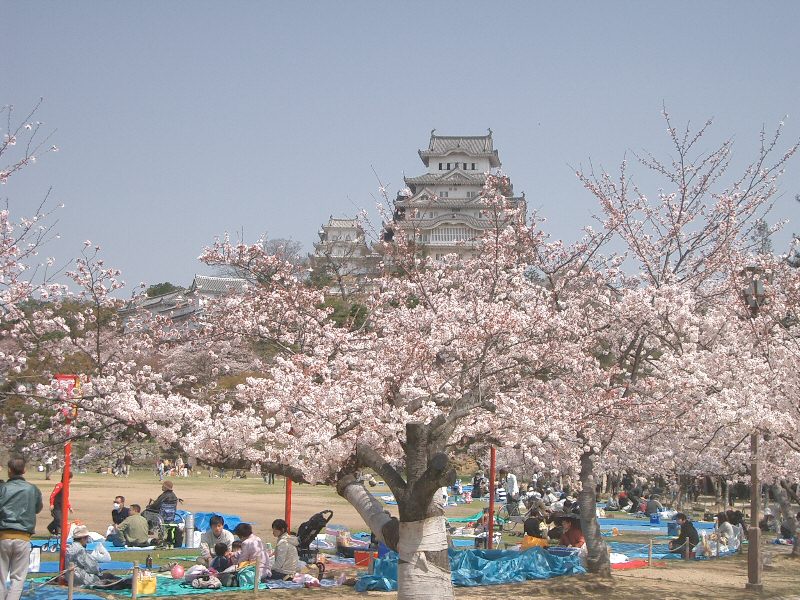
Hanami花見
The Japanese tradition of gathering to enjoy cherry blossoms in spring
🇯🇵 Japan and 7 more · Custom, Jan to May
Decoration
Hanami花見
The Japanese tradition of gathering to enjoy cherry blossoms in spring
🇯🇵 Japan and 7 more · Custom, Jan to May
 Decoration
Sōgetsu草月流
A modern school of Japanese ikebana open to all materials and styles
🇯🇵 Japan · Arrangement
Decoration
Sōgetsu草月流
A modern school of Japanese ikebana open to all materials and styles
🇯🇵 Japan · Arrangement
More from Iran
All the flowers of Iran Decoration
Butaبوته
A curved floral motif found in Persian, Indian, and Central Asian art and textiles
🇮🇷 Iran and 5 more · Art or design
Decoration
Butaبوته
A curved floral motif found in Persian, Indian, and Central Asian art and textiles
🇮🇷 Iran and 5 more · Art or design
 Decoration
Suzani textileسوزن
Embroidered dowry textiles from Central Asia, rich in floral and tribal designs
🇹🇯 Tajikistan and 3 more · Flower craft
Decoration
Suzani textileسوزن
Embroidered dowry textiles from Central Asia, rich in floral and tribal designs
🇹🇯 Tajikistan and 3 more · Flower craft
 Decoration
Rose waterگلاب
Flavoured water made by steeping or distilling rose petals
🇮🇷 Iran and 2 more · Offering or rite
Decoration
Rose waterگلاب
Flavoured water made by steeping or distilling rose petals
🇮🇷 Iran and 2 more · Offering or rite
 Decoration
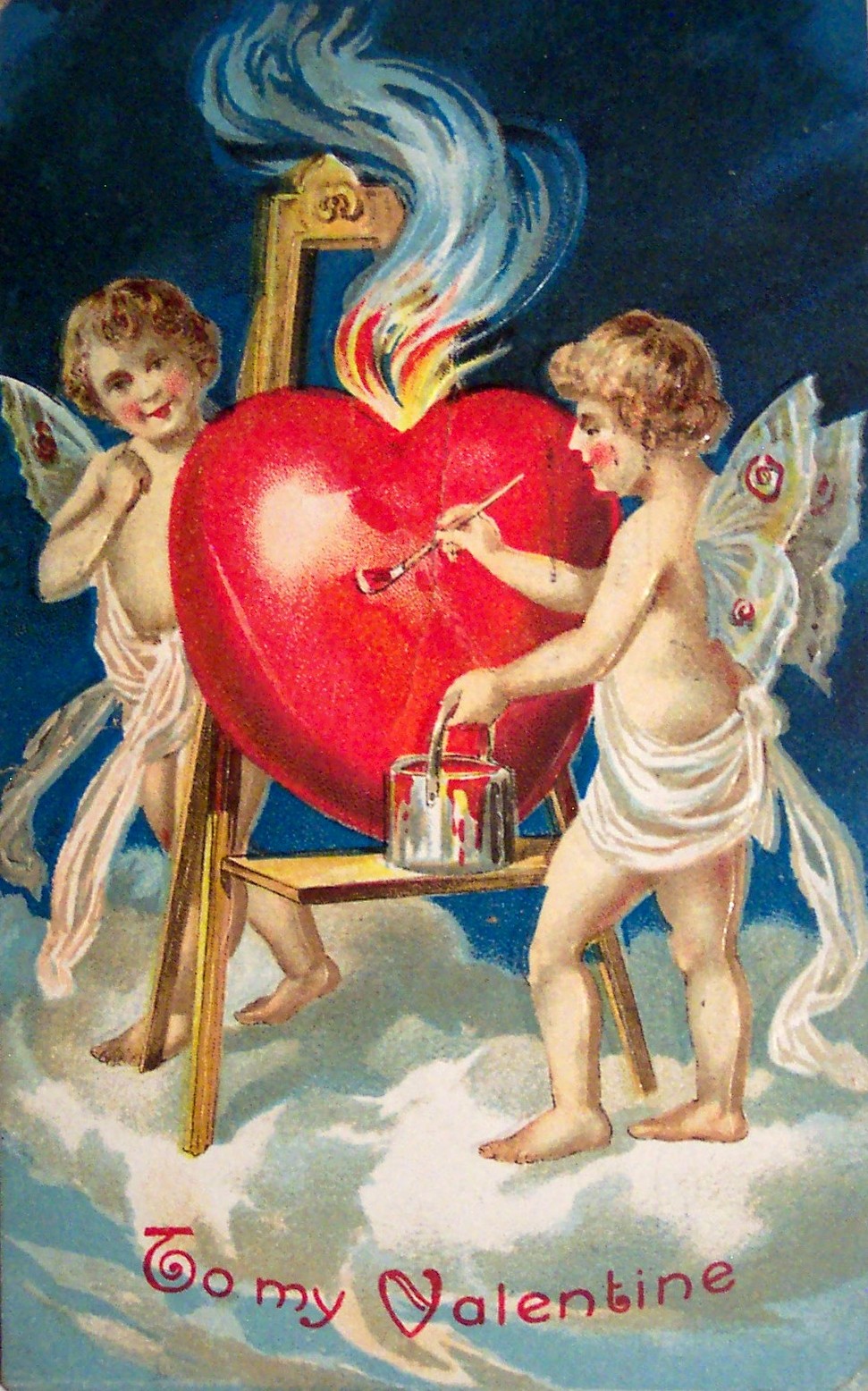
Valentine's Day
A day for expressing love with cards, flowers, and gifts on February 14
🇮🇳 India and 1 more · Custom, February
Decoration
Valentine's Day
A day for expressing love with cards, flowers, and gifts on February 14
🇮🇳 India and 1 more · Custom, February