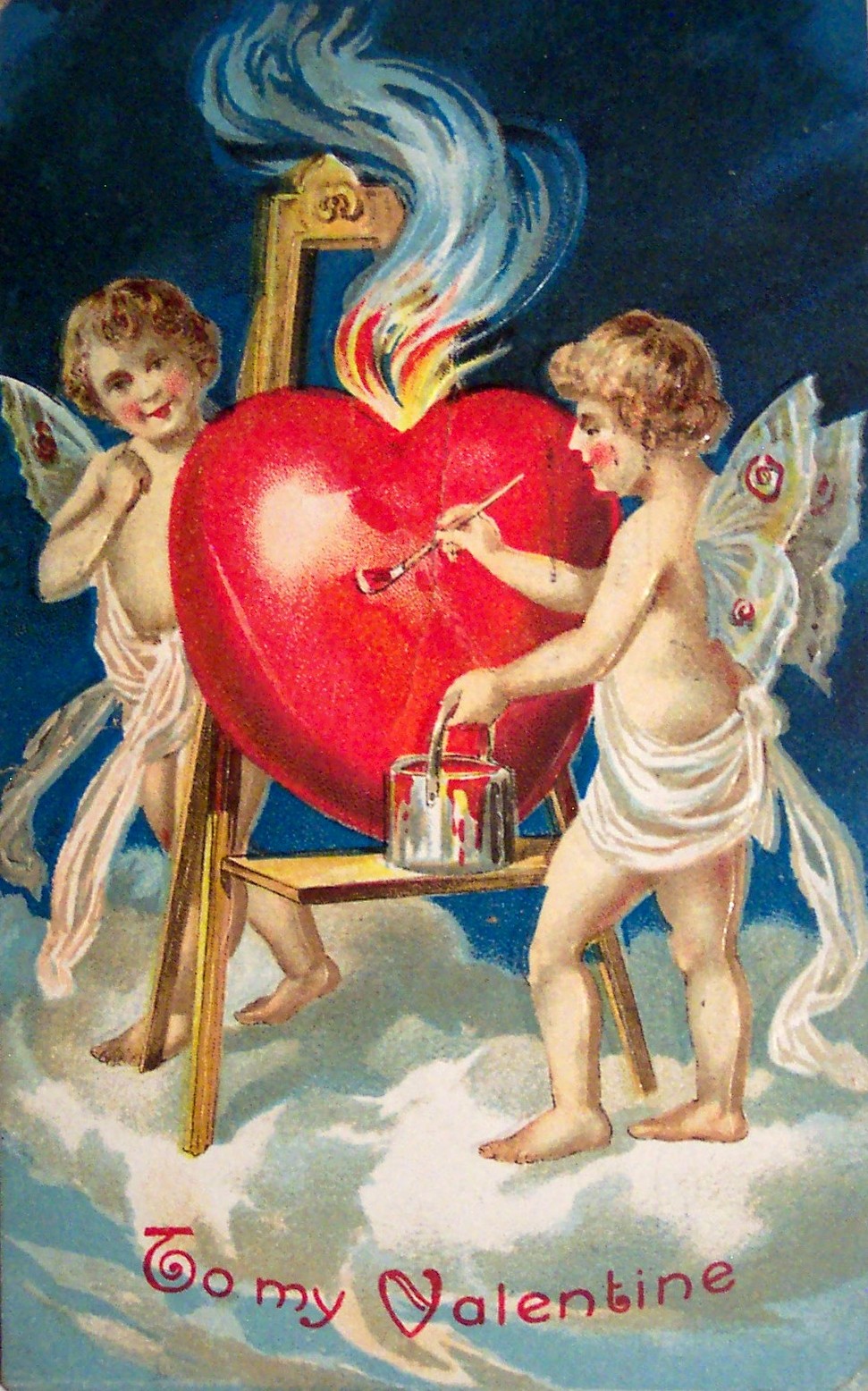
Valentine's Day
A day for expressing love with cards, flowers, and gifts on February 14
Valentine's Day is an annual celebration on February 14, rooted in a Christian feast for Saint Valentine. Over centuries, it has become a day for people in many countries to show affection through cards, flowers, and gifts, with symbols like hearts and Cupid. The day is closely linked to romance and love.
- Celebrated worldwide on February 14 as a day of love and affection
- Common gifts include roses, chocolates, and greeting cards
- Linked to legends of Saint Valentine, a Christian martyr
- Symbols include hearts, Cupid, and doves
- Observed in both religious and secular ways
What is Valentine's Day?
Valentine's Day is marked by the exchange of greeting cards, flowers—often roses—and gifts between lovers, friends, or family. Heart shapes, doves, and the figure of Cupid are common symbols. People may also attend church services or special events. The day is widely recognized as a time to express affection and commitment.
Where does Valentine's Day come from?
The day began as a Christian feast for Saint Valentine, a martyr from ancient Rome. Over time, legends grew around his acts of kindness and love, such as performing secret weddings for soldiers and sending a farewell note signed 'Your Valentine.' By the Middle Ages, the day became linked to romantic love, especially in England and France, and later spread worldwide.
How Valentine's Day is made
Traditionally, people give cards, flowers, or sweets to someone they care about. Roses are the most common flower, but other gifts include chocolates and heart-shaped items. In some regions, special customs or folk characters, like 'Jack Valentine' in Norfolk, deliver treats. Handmade cards were once popular, but most are now mass-produced.


When and where Valentine's Day is used
Valentine's Day is celebrated by couples, friends, and families in many countries. People exchange gifts, go on dates, or send messages of affection. Some attend church services or take part in local customs. The day is also used for proposals and weddings. In some places, it marks the start of spring or is linked to folk traditions.
Forms of Valentine's Day
While February 14 is the usual date, some Eastern Orthodox churches celebrate Saint Valentine on July 6 or July 30. Customs differ by country: in Italy, keys are given as a symbol of love; in Slovenia, the day is tied to the start of spring. In England, regional traditions like 'Jack Valentine' survive alongside modern practices.
What Valentine's Day means
Valentine's Day is a major cultural event, symbolizing love and affection. It is recognized in Christian calendars and has inspired art, poetry, and commercial traditions. Symbols like hearts and Cupid are widely used. The day has also absorbed folk beliefs about spring and renewal in some regions.
The flowers of Valentine's Day

Traditions that use it
Days and festivals
Questions people ask about Valentine's Day
Where did Valentine's Day originate?
Valentine's Day began as a Christian feast day for Saint Valentine, a martyr from ancient Rome. Over time, it became linked to romantic love, especially in medieval Europe.
How is Valentine's Day celebrated?
People exchange cards, flowers (often roses), and gifts. Couples may go on dates, and some attend church services or follow local customs. The day is widely seen as a time to express affection.
What are the main symbols of Valentine's Day?
Hearts, doves, and the figure of Cupid are the most common symbols. Roses and greeting cards are also closely associated with the day.
Is Valentine's Day only about romantic love?
While it is best known as a celebration of romantic love, people also use the day to show affection to friends and family. In some places, it includes folk traditions about spring and renewal.
Why are roses given on Valentine's Day?
Roses, especially red ones, have become a symbol of love and are commonly given as gifts on Valentine's Day. The tradition grew in England and spread worldwide.
Good reading and sources
- Encyclopaedia BritannicaArticle
- BBC News | SOUTH ASIABBC, Article
- The Japan Times - News On Japan, Business News, Opinion, Sports, Entertainment And MoreThe Japan Times, Article
- Valentine's Day on WikipediaEncyclopedia
- More photos on Wikimedia CommonsPhotos
- Wikidata recordOpen data
The facts on this page come from the Wikipedia article "Valentine's Day", written by its contributors and used under the CC BY-SA 4.0 licence, and from its Wikidata record (CC0). Phool rewrote the text in its own words, with AI assistance, and compares every page with the article to make sure no passage is copied. It may be reused under the same CC BY-SA 4.0 licence with a link back.
It may contain mistakes. If something is wrong, tell us. Last refreshed 2026-10-03.
More of the same kind
 Decoration
Bonsai盆栽
The Japanese art of shaping miniature trees in shallow pots
🇯🇵 Japan and 7 more · Art or design
Decoration
Bonsai盆栽
The Japanese art of shaping miniature trees in shallow pots
🇯🇵 Japan and 7 more · Art or design
 Decoration
Tokonoma床の間
A Japanese alcove for displaying scrolls and flower arrangements
🇯🇵 Japan · Arrangement
Decoration
Tokonoma床の間
A Japanese alcove for displaying scrolls and flower arrangements
🇯🇵 Japan · Arrangement
 Decoration
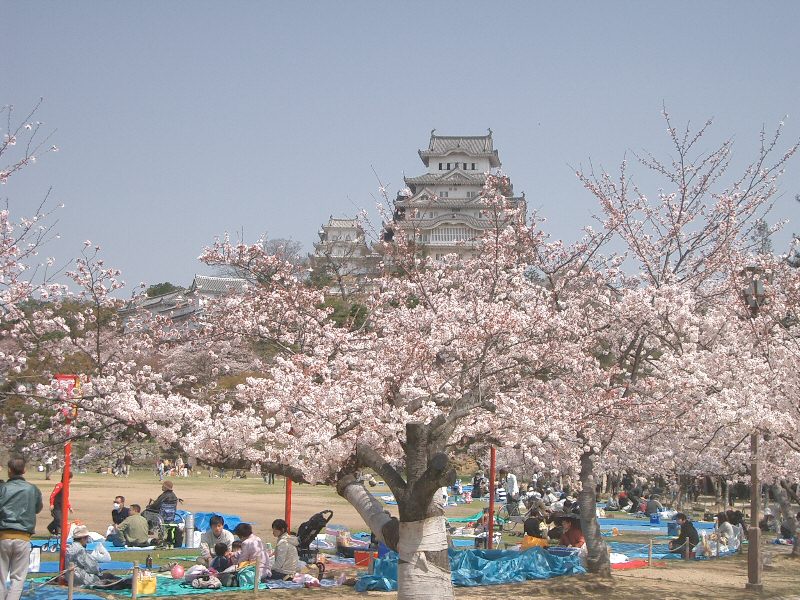
Hanami花見
The Japanese tradition of gathering to enjoy cherry blossoms in spring
🇯🇵 Japan and 7 more · Custom, Jan to May
Decoration
Hanami花見
The Japanese tradition of gathering to enjoy cherry blossoms in spring
🇯🇵 Japan and 7 more · Custom, Jan to May
 Decoration
Sōgetsu草月流
A modern school of Japanese ikebana open to all materials and styles
🇯🇵 Japan · Arrangement
Decoration
Sōgetsu草月流
A modern school of Japanese ikebana open to all materials and styles
🇯🇵 Japan · Arrangement
More from India
All the flowers of India Decoration
Varamalaवरमाला
A flower garland exchanged by bride and groom in Hindu weddings
🇮🇳 India · Garland or wreath
Decoration
Varamalaवरमाला
A flower garland exchanged by bride and groom in Hindu weddings
🇮🇳 India · Garland or wreath
 Decoration
Rangoliरंगोली
Indian floor art made with coloured powders, rice, or petals for festivals and daily welcome
🇮🇳 India and 1 more · Carpet or floor pattern
Decoration
Rangoliरंगोली
Indian floor art made with coloured powders, rice, or petals for festivals and daily welcome
🇮🇳 India and 1 more · Carpet or floor pattern
 Decoration
Onam
Kerala’s ten-day harvest festival with flower carpets, feasts and boat races
🇮🇳 India and 1 more · Custom, Aug to Sep
Decoration
Onam
Kerala’s ten-day harvest festival with flower carpets, feasts and boat races
🇮🇳 India and 1 more · Custom, Aug to Sep
 Decoration
Pohela Boishakhপহেলা বৈশাখ
Bengali New Year marked by processions, fairs, and flower-adorned gatherings
🇧🇩 Bangladesh and 1 more · Custom, April
Decoration
Pohela Boishakhপহেলা বৈশাখ
Bengali New Year marked by processions, fairs, and flower-adorned gatherings
🇧🇩 Bangladesh and 1 more · Custom, April