
Pohela Boishakh
In its own language: পহেলা বৈশাখ
Bengali New Year marked by processions, fairs, and flower-adorned gatherings
Pohela Boishakh is the Bengali New Year, celebrated on 14 April in Bangladesh and mid-April in parts of India. Marked by processions, fairs, and gatherings, it brings people together in red and white dress, with flower crowns and festive foods. The day features the Mangal Shobhajatra procession and traditional greetings.
- Celebrated as Bengali New Year on 14 April in Bangladesh
- Marked by the UNESCO-listed Mangal Shobhajatra procession in Dhaka
- People wear red and white clothes and flower crowns
- Businesses open new ledgers in the Haal Khata custom
- Observed by Bengalis of all faiths in Bangladesh and India
What is Pohela Boishakh?
Pohela Boishakh is the Bengali New Year festival, celebrated with processions, fairs, and gatherings. People wear red and white traditional clothes, and women often adorn their hair with flower crowns. The day features cultural performances, music, and the colourful Mangal Shobhajatra procession, where large masks and floats are carried through the streets. Homes and public spaces are decorated, and festive foods are shared.
Where does Pohela Boishakh come from?
The festival has roots in the Mughal era, when it marked the start of the new tax year after the spring harvest. Its customs are linked to the Mahifarash community of Old Dhaka, who held feasts at the season’s start. The Bengali calendar itself may have origins in both Mughal reforms and earlier Hindu traditions, with some attributing it to Akbar’s rule and others to earlier kings. The calendar was later reformed in Bangladesh to fix the date of celebration.
How Pohela Boishakh is made
Preparations begin with cleaning homes and wearing new or traditional red and white clothes. Women and girls often make flower crowns to wear in their hair. In the morning, people gather for processions like the Mangal Shobhajatra, featuring handmade masks and floats. Families visit each other, exchange gifts, and enjoy special foods. Businesses mark the day by opening new account books, a custom called Haal Khata.


When and where Pohela Boishakh is used
Pohela Boishakh is celebrated by Bengalis of all faiths, especially in Bangladesh and Indian states like West Bengal. The day is spent visiting family and friends, attending fairs, and joining public celebrations. Cultural performances and traditional foods are central. The festival is also a time for businesses to start new ledgers and for communities to come together in a spirit of renewal.
Forms of Pohela Boishakh
In Bangladesh, the festival always falls on 14 April, while in Indian regions it may be on 14 or 15 April. The Mangal Shobhajatra procession, recognised by UNESCO, is a highlight in Dhaka. Rural fairs and different local customs, such as the Haal Khata for traders, add regional flavour. Dress codes and foods may vary, but red and white attire and flower adornments are widely seen.
What Pohela Boishakh means
Pohela Boishakh is a symbol of Bengali identity and unity, celebrated across religious lines. The Mangal Shobhajatra procession is recognised by UNESCO as Intangible Cultural Heritage. The festival is a public holiday in Bangladesh and a major event in Bengali communities in India. It is marked by music, art, and a spirit of togetherness, and has played a role in expressing cultural pride.
Questions people ask about Pohela Boishakh
What is Pohela Boishakh?
Pohela Boishakh is the Bengali New Year festival, celebrated with processions, fairs, and gatherings. It marks the first day of the Bengali calendar and is a major cultural event for Bengalis in Bangladesh and parts of India.
Where does Pohela Boishakh come from?
The festival’s origins trace back to the Mughal era, when it marked the start of the new tax year after the spring harvest. Its customs are linked to both Mughal reforms and earlier Hindu traditions in Bengal.
How do people celebrate Pohela Boishakh?
People celebrate by wearing red and white clothes, making flower crowns, joining processions like Mangal Shobhajatra, visiting family and friends, and enjoying traditional foods. Businesses open new account books in a custom called Haal Khata.
What does Pohela Boishakh symbolise?
It symbolises renewal, unity, and cultural pride for Bengalis. The festival brings people together across religious backgrounds and is a time for new beginnings and community celebration.
Is Pohela Boishakh linked to any religion?
While its roots include both Muslim and Hindu traditions, Pohela Boishakh is now largely a secular festival celebrated by Bengalis of all faiths in Bangladesh and India.
Good reading and sources
- Pohela Boishakh on WikipediaEncyclopedia
- More photos on Wikimedia CommonsPhotos
- Wikidata recordOpen data
The facts on this page come from the Wikipedia article "Pohela Boishakh", written by its contributors and used under the CC BY-SA 4.0 licence, and from its Wikidata record (CC0). Phool rewrote the text in its own words, with AI assistance, and compares every page with the article to make sure no passage is copied. It may be reused under the same CC BY-SA 4.0 licence with a link back.
It may contain mistakes. If something is wrong, tell us. Last refreshed 2026-10-03.
More of the same kind
 Decoration
Bonsai盆栽
The Japanese art of shaping miniature trees in shallow pots
🇯🇵 Japan and 7 more · Art or design
Decoration
Bonsai盆栽
The Japanese art of shaping miniature trees in shallow pots
🇯🇵 Japan and 7 more · Art or design
 Decoration
Tokonoma床の間
A Japanese alcove for displaying scrolls and flower arrangements
🇯🇵 Japan · Arrangement
Decoration
Tokonoma床の間
A Japanese alcove for displaying scrolls and flower arrangements
🇯🇵 Japan · Arrangement
 Decoration
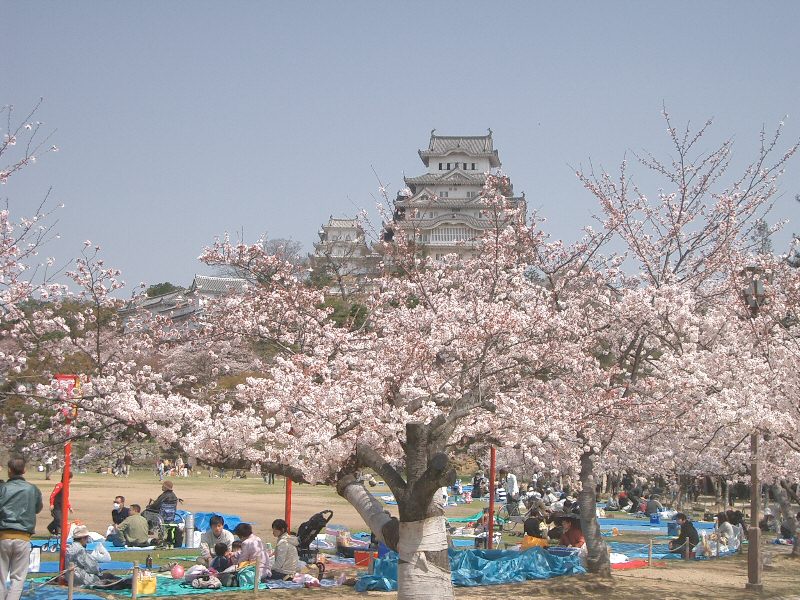
Hanami花見
The Japanese tradition of gathering to enjoy cherry blossoms in spring
🇯🇵 Japan and 7 more · Custom, Jan to May
Decoration
Hanami花見
The Japanese tradition of gathering to enjoy cherry blossoms in spring
🇯🇵 Japan and 7 more · Custom, Jan to May
 Decoration
Sōgetsu草月流
A modern school of Japanese ikebana open to all materials and styles
🇯🇵 Japan · Arrangement
Decoration
Sōgetsu草月流
A modern school of Japanese ikebana open to all materials and styles
🇯🇵 Japan · Arrangement
More from Bangladesh
All the flowers of Bangladesh Decoration
Rangoliरंगोली
Indian floor art made with coloured powders, rice, or petals for festivals and daily welcome
🇮🇳 India and 1 more · Carpet or floor pattern
Decoration
Rangoliरंगोली
Indian floor art made with coloured powders, rice, or petals for festivals and daily welcome
🇮🇳 India and 1 more · Carpet or floor pattern
 Decoration
Alpanaআলপনা
Bengali ritual floor art painted with rice flour on festive and religious occasions
🇮🇳 India and 1 more · Carpet or floor pattern
Decoration
Alpanaআলপনা
Bengali ritual floor art painted with rice flour on festive and religious occasions
🇮🇳 India and 1 more · Carpet or floor pattern
 Decoration
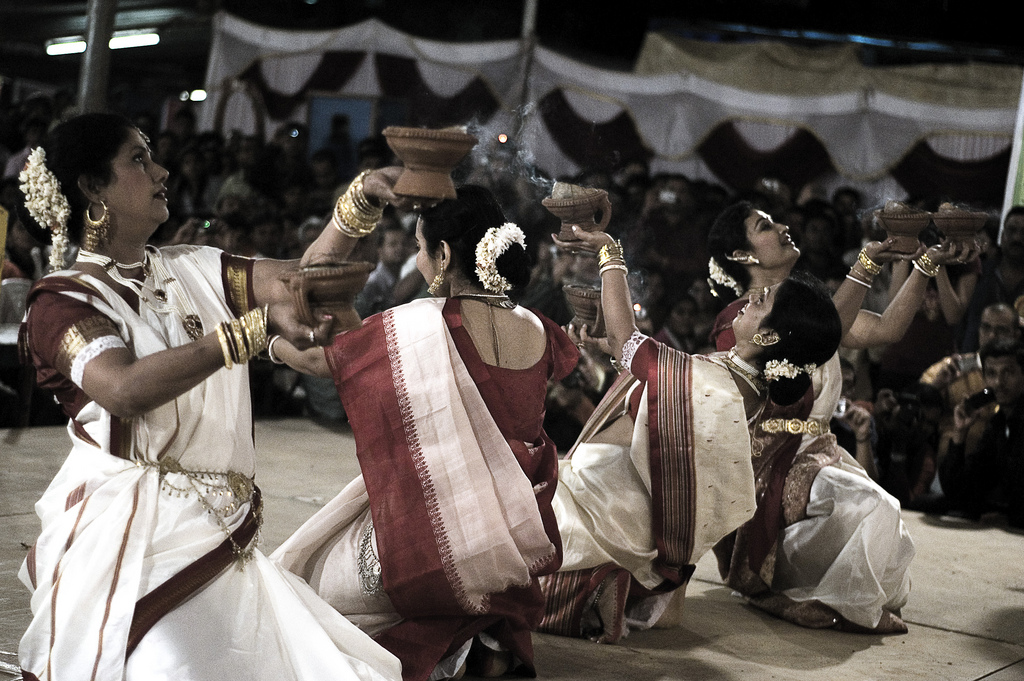
Gajra
A floral hair garland worn by women in South Asia for celebrations and daily wear
🇮🇳 India and 4 more · Garland or wreath
Decoration
Gajra
A floral hair garland worn by women in South Asia for celebrations and daily wear
🇮🇳 India and 4 more · Garland or wreath
 Decoration
Pujaपूजा
The Hindu ritual of offering flowers, light, and food in worship
🇮🇳 India and 2 more · Offering or rite
Decoration
Pujaपूजा
The Hindu ritual of offering flowers, light, and food in worship
🇮🇳 India and 2 more · Offering or rite